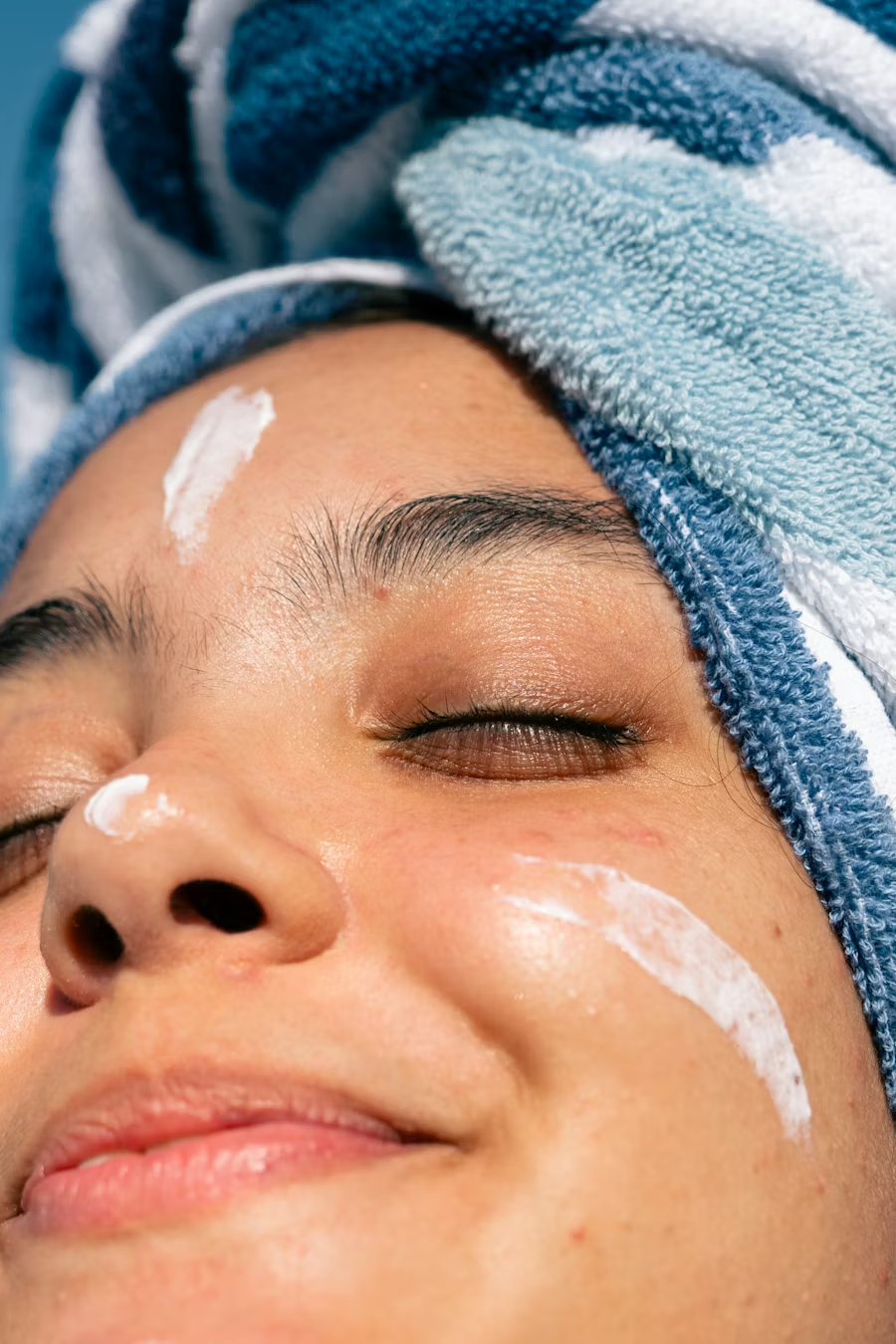
Having sunscreen in your daily skin routine is a MUST. There ARE non-comedogenic sunscreens that work beautifully for acne-prone skin, you just need to know which ones. In this guide, I’m sharing the 4 best sunscreens I’ve personally tested, plus what makes a sunscreen “acne-friendly” so you can choose confidently.
Table of Contents
Sunscreen For Acne-Prone Skin:Why This is Non-Negotiable
Here’s what nobody tells you about acne and sun exposure:
UV rays make acne scars darker. When you have post-acne hyperpigmentation (those dark marks left behind), sun exposure makes them MORE visible. The UV rays trigger your skin to produce more melanin in those already-damaged areas, making scars look deeper and darker.
Sun damage worsens inflammation. If you’re currently dealing with active acne, UV exposure can increase inflammation and actually trigger more breakouts.
Hyperpigmentation becomes permanent without protection. As I’m sure my readers know, acne-prone skin is already sensitive. Without sunscreen, those temporary dark marks can become permanent discoloration that takes years to fade.
The bottom line? Skipping sunscreen to avoid breakouts is like skipping antibiotics to avoid side effects. You’re creating a bigger problem to avoid a smaller one.
The solution is finding the RIGHT sunscreen that protects your skin without triggering new breakouts.
Sunscreen For Acne-Prone Skin: What Makes a Sunscreen “Acne-Friendly”? (The Science)
Not all sunscreens are created equal, especially for acne-prone skin. Here’s what to look for:
Non-Comedogenic Rating
This is the most important factor when shopping for a sunscreen for acne-prone skin. “Non-comedogenic” means the formula has been tested and proven NOT to clog pores. Look for this label on the packaging, as this is a must if you are prone to acne.
Oil-Free Formula
Acne thrives in oily environments. Sunscreens with heavy oils (like coconut oil) or creamy textures can trap bacteria and sebum on your skin. Choose oil-free or gel-based formulas when shopping for a sunscreen for acne-prone skin.
Matte or Semi-Matte Finish
Sunscreens with a matte finish feel lighter on skin and don’t look shiny. They’re also less likely to trap heat and bacteria, which means fewer breakouts. Avoid sunscreens that leave a dewy, greasy sheen.
Minimal Ingredients
The fewer ingredients, the lower your risk of irritation. Fragrance, essential oils, and unnecessary additives can all trigger breakouts. Look for simple, straightforward formulas when shopping for a sunscreen for acne-prone skin.
No Added Fragrance
Fragrance is a common acne trigger. Even “natural” fragrance can irritate acne-prone skin. Choose a fragrance-free sunscreen for acne-prone skin.
Sunscreen For Acne-Prone Skin:Top 4 Best Products
#1: La Roche-Posay Anthelios Matte Fluid SPF 60
Price: $35-40 | Finish: Matte
This is my personal favorite sunscreen for acne-prone skin, and honestly, it’s a game-changer.
The first time I applied this, I was shocked by how lightweight and matte it felt on my skin. It literally feels like you’re wearing a blurring matte primer for makeup on your face, not sunscreen. This product delivers zero shine, no greasiness, and no heavy feeling. Just a smooth, invisible layer of protection. And the best part- the matte feel stays all day. Most sunscreens tend to make my skin feel oily and melt off my face in a greasy mess in a couple of hours. This sunscreen? It truly won’t disappoint.
What makes it a special sunscreen for acne-prone skin:
-Dermatologist-tested specifically for acne and sensitive skin
-Non-comedogenic rating, so it won’t clog pores
-Lightweight formula absorbs in seconds.
-Truly matte finish that doesn’t trap heat or bacteria
-Fragrance-free, so no irritation
I’ve been using this for 8 months now, and I haven’t had any breakouts caused by it. My hyperpigmentation has also visibly improved because I’m finally protecting my skin consistently.
The only downside? It’s pricey. But if budget isn’t an issue, this is worth every penny.
Best for: Anyone with acne-prone skin who wants the best matte finish available.
2: Hero Cosmetics Force Shield Sunscreen SPF 50
Price: $25-30 | Finish: Matte
Hero Cosmetics is a brand built specifically for acne-prone skin, and it shows in their sunscreen formula.
Force Shield is designed with acne sufferers in mind. It’s lightweight, matte, and doesn’t feel like you’re wearing anything at all. The texture is silky and absorbs quickly, which means it won’t sit on top of your skin and trap bacteria.
What makes it a special sunscreen for acne-prone skin:
-Specifically formulated for acne-prone skin (the brand’s whole mission)
-Matte finish that controls shine without feeling cakey
-Lightweight gel texture absorbs in seconds.
-Non-comedogenic and dermatologist-tested
-Mid-range price between budget and luxury options
I’ve used this for 4 months, and it’s my second favorite after La Roche-Posay. The main difference is the finish. Hero Cosmetics is slightly less matte than La Roche-Posay, but it’s more affordable.
Best for: People who want quality acne-focused skincare at a reasonable price.
#3 CeraVe Face Lotion SPF 50
Price: $15-18 | Finish: Lightweight
CeraVe is the budget-friendly option that actually delivers.
This was my first serious attempt at an acne-friendly sunscreen, and it surprised me. For the price, the quality is impressive. It’s lightweight, absorbs quickly, and doesn’t leave any residue on your skin.
What makes it a good sunscreen for acne-prone skin:
-Ceramides + hyaluronic acid hydrate without heaviness
-Fragrance-free formula
-Non-comedogenic, so safe for breakout-prone skin
-Affordable, so you won’t skip reapplication
-Widely available at most drugstores
The texture is more of a lotion than a gel, so it’s not matte like other sunscreens, but it’s still lightweight and doesn’t feel greasy. For someone with moderately oily skin, this is perfect.
I’ve used this for 2 months, and my skin was overall clear for this time.
Best for: Budget-conscious people with acne-prone skin who want hydration + protection.
#4: EltaMD UV Clear SPF 46
Price: $35-40 | Finish: Lightweight (slightly dewy)*
Full transparency: I haven’t personally tested this one, but it’s consistently rated the #1 dermatologist-recommended sunscreen for acne-prone skin, so it deserves a spot on this list.
EltaMD is the dermatologist’s favorite for a reason. It’s a mineral sunscreen (which is rarer in the acne-friendly space), but it’s formulated to be lightweight instead of thick and pasty.
What makes it a great sunscreen for acne-prone skin:
-Mineral formula uses zinc oxide and titanium dioxide to reflect UV rays.
-Less likely to irritate very sensitive or active acne
-Non-comedogenic and hypoallergenic
-Dermatologist recommended for acne-prone skin.
-Available in a tinted version if you want light coverage
If you have very sensitive, active acne or have reacted poorly to chemical sunscreens, this is worth trying.
Best for: People with sensitive, active acne who prefer mineral sunscreen.
Sunscreen For Acne-Prone Skin:What NOT to Use:
Not all sunscreens are created equal. Here are the ones that caused me problems:
Any sunscreen with coconut oil: Coconut oil is comedogenic (pore-clogging). Even though it’s natural, it’s not your friend if you have acne. Avoid any formula listing coconut oil in the first 5 ingredients.
Heavy, creamy sunscreen lotions: if a sunscreen feels thick and creamy when you apply it, it’s probably too heavy for acne skin. Acne-prone skin needs lightweight, fast-absorbing formulas.
Sunscreens with fragrance: Fragrance irritates acne. Even natural fragrance. Choose fragrance-free options only.
How to Apply Sunscreen Without Triggering Breakouts
Even the best sunscreen won’t work if you apply it wrong. Here’s the proper technique:
Step 1: Start with clean, dry skin. Apply sunscreen to freshly cleansed skin. If your skin is damp, the sunscreen won’t bond properly.
Step 2: Use enough product. You need a quarter-size amount for your entire face. Most people use way too little and compromise their protection. Don’t skimp.
Step 3: Apply after your full skincare routine The order matters: Cleanser → Toner (if you use one) → Moisturizer → Sunscreen → Makeup
Sunscreen should be the last step before makeup because it needs to sit on top of your skin to create a protective barrier.
Step 4: Wait 15 minutes before applying makeup. Let the sunscreen fully set before layering anything else on top. This prevents pilling and ensures it bonds to your skin properly.
Step 5: Reapply every 2 hours. If you’re outdoors, reapply sunscreen every 2 hours. For everyday use indoors, once in the morning is usually sufficient (though some dermatologists recommend reapplication mid-day even indoors).
Frequently Asked Questions
Q:Does sunscreen cause acne?
A: No, the wrong sunscreen causes acne. Most commercial sunscreens are formulated for general skin, not acne-prone skin. They’re often too heavy, too oily, or contain ingredients that trigger breakouts. But non-comedogenic, lightweight sunscreen for acne-prone skin absolutely does NOT cause acne.
Q: Can I wear matte sunscreen if I have oily skin?
A: YES. Matte sunscreen is actually ideal for oily skin. It controls shine without adding extra oil. Look for “matte finish” or “oil-free” labels specifically.
Q: What SPF should I use?
A: SPF 30 is the minimum recommended by dermatologists. SPF 50 offers slightly more protection and is worth the upgrade. Anything above SPF 50 offers minimal additional protection, so you don’t need to go higher.
Q: Can I use sunscreen under makeup?
A: Absolutely. In fact, you should. Apply sunscreen, wait 15 minutes for it to set, then apply your primer and makeup as normal. Many makeup primers and foundations now include SPF, but it’s not enough on its own—you still need a dedicated sunscreen underneath.
Q: Do I need sunscreen indoors?
A: This is debated among dermatologists. UVA rays can penetrate windows, but the exposure is minimal compared to outdoor sun. If you spend most of your day indoors, you can skip it. But if you sit near windows or go outside at all, wear it.
Q: Can I use the same sunscreen year-round?
A: Yes, absolutely. Pick one that works for your skin and stick with it. Consistency is more important than switching products seasonally.
What’s Your Experience?
I want to know: What sunscreen works best for YOUR acne-prone skin? Have you tried any of these? Did they work, or did they cause breakouts?
Drop a comment below—I would love to hear what’s working for you. Your experience might help someone else find their perfect sunscreen.
And if you haven’t found an acne-friendly sunscreen yet, start with one of these four. Your skin is worth the investment.
Related Posts:
Best Oil Cleansers For Acne-Prone Skin