GlowWithoutBreakouts.com
Acne
Education
Understand your skin before you try to fix it. Everything here explains the why behind acne-prone skin.
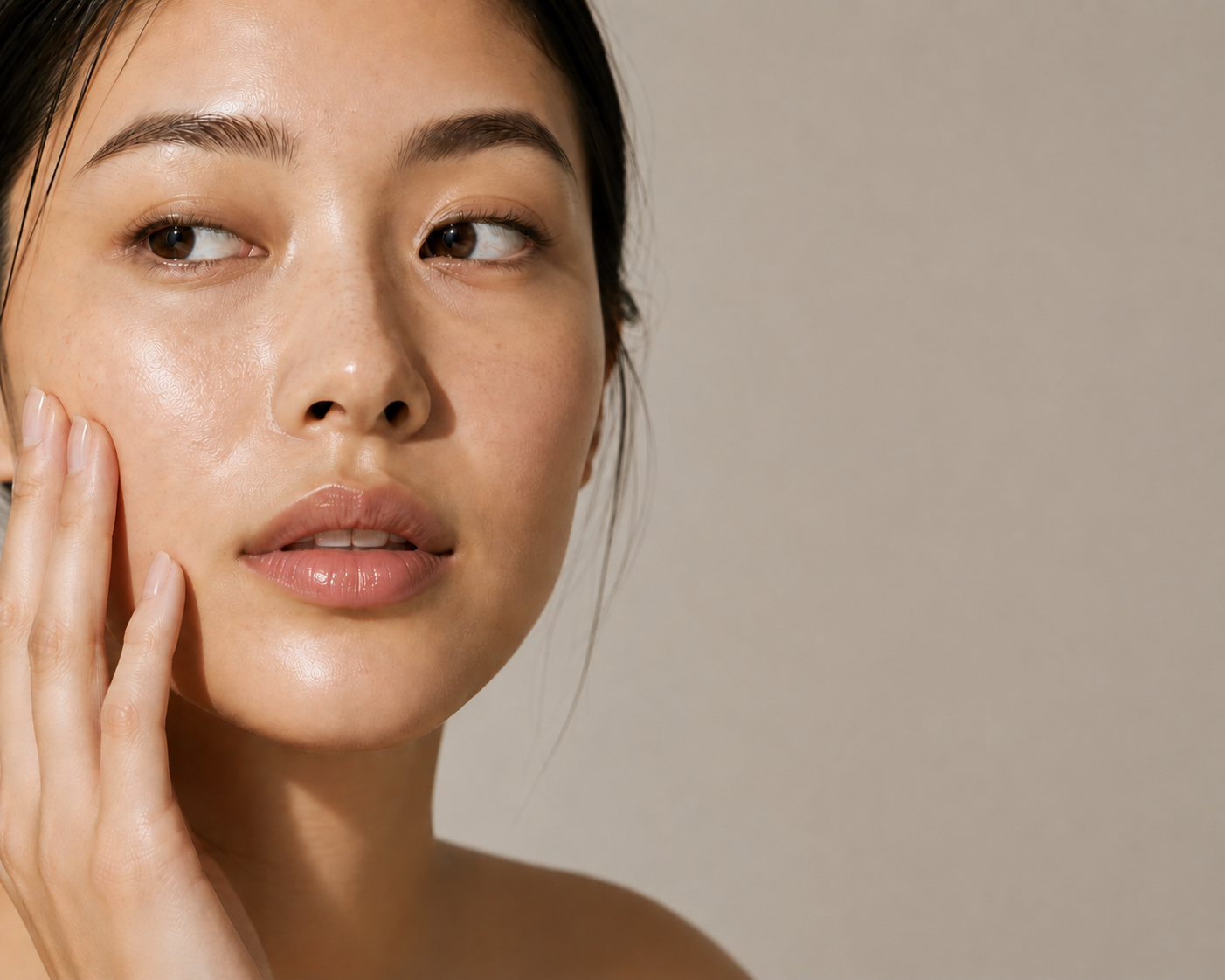
Your skin barrier is the foundation of everything.
A damaged skin barrier is behind most persistent acne. Learn what it is, how to tell if yours is compromised, and exactly how to heal it.
5 Critical Mistakes That Shattered Your Skin Barrier (And How to Heal It)
4 Week Over-Exfoliation Recovery: How to Fix Damaged Skin
The Worst Skincare Mistake I Made (And How It Took 7 Years to Fix)
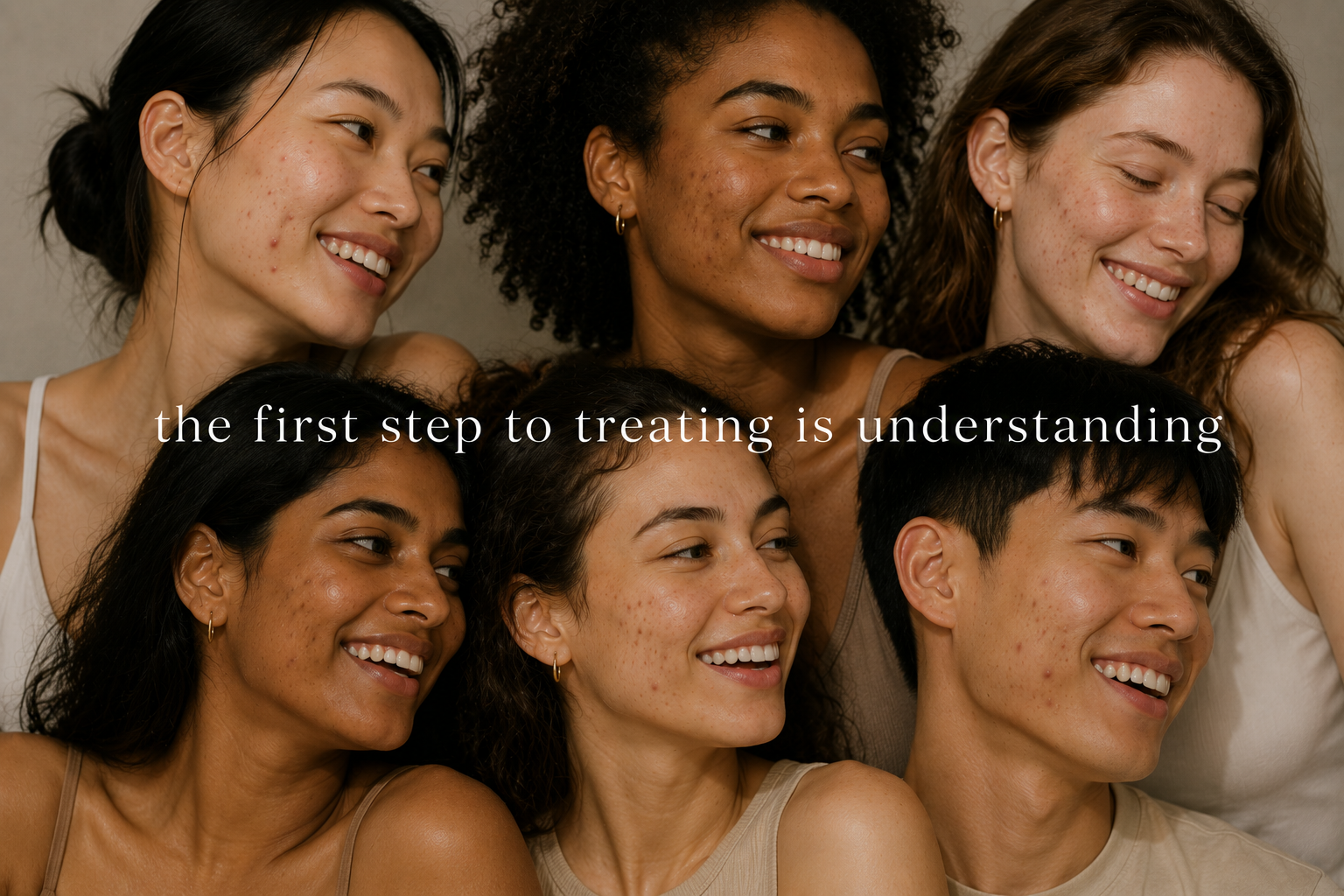
Not all acne is the same. Knowing yours changes everything.
Hormonal, bacterial, fungal, stress-induced — each type responds to different treatments. Start here to understand what is actually causing your breakouts.
3 Powerful Ways to Make a Pimple Go Away Fast: No Scarring
Does Stress Really Cause Acne? Here’s What the Science Says
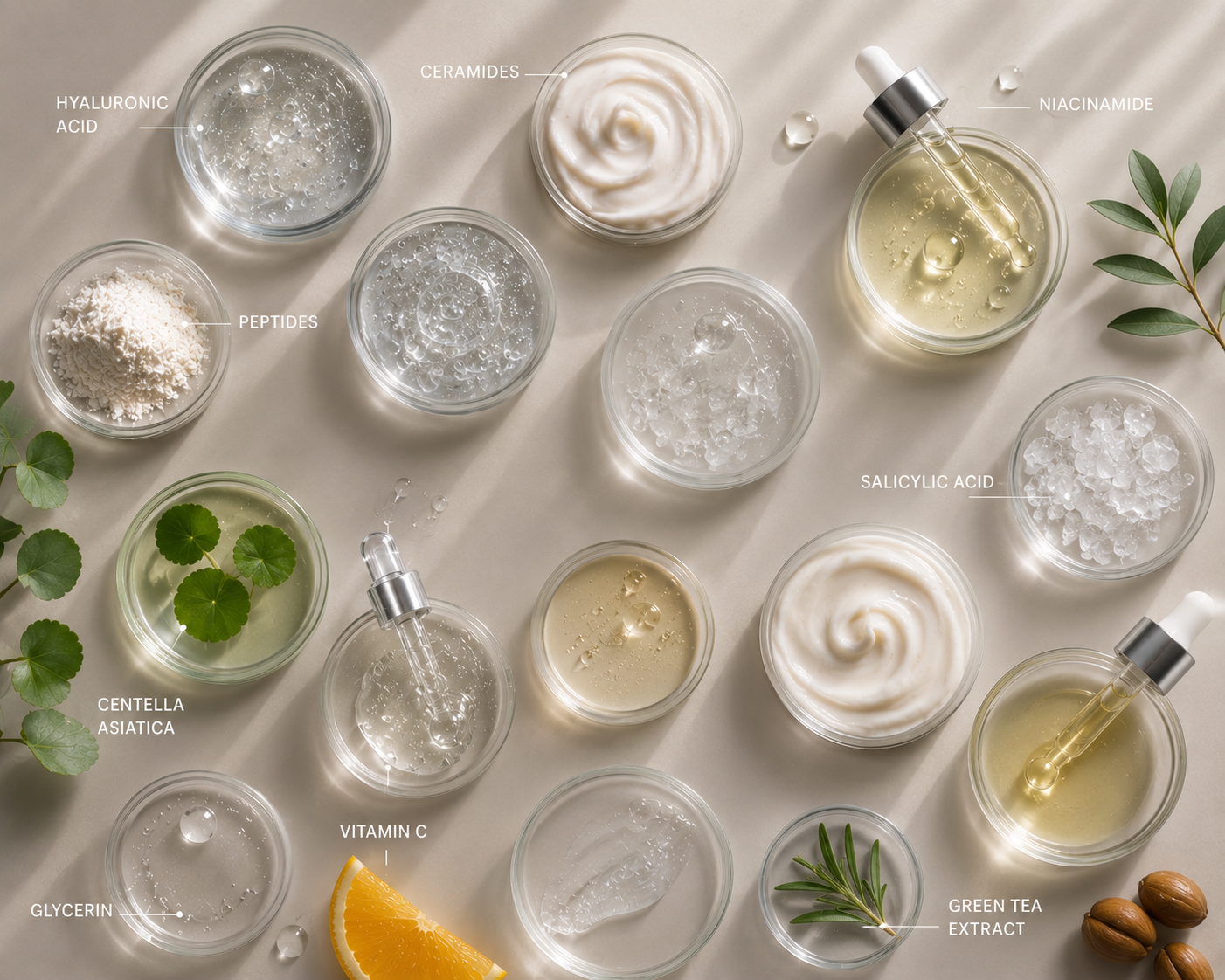
Know what you are putting on your skin and why.
Salicylic acid, benzoyl peroxide, retinol, niacinamide — honest breakdowns of the ingredients that actually work for acne-prone skin and how to use them safely.
Salicylic Acid vs Benzoyl Peroxide: The Honest Acne Guide
Common questions about acne-prone skin.
Quick honest answers to the questions that come up most often.
What causes acne?
Acne forms when pores become clogged with excess oil and dead skin cells. Bacteria then causes inflammation. Hormones, diet, stress, and skincare habits all play a role.
What is the skin barrier and why does it matter?
Your skin barrier is the outermost layer of your skin that keeps moisture in and irritants out. A damaged barrier causes dryness, redness, sensitivity, and often more breakouts.
Does stress really cause acne?
Yes. Stress triggers cortisol which increases oil production and inflammation. It won’t cause acne on its own but it significantly worsens existing breakouts.
What is the difference between salicylic acid and benzoyl peroxide?
Salicylic acid unclogs pores and prevents blackheads. Benzoyl peroxide kills acne-causing bacteria. They target different problems and work best when used strategically together.
How long does a skincare routine take to work?
Most actives take 4 to 12 weeks to show full results. Give any new product or routine at least 6 weeks before deciding if it is working.
Can I use retinol if I have acne-prone skin?
Yes. Retinol is one of the most effective ingredients for acne and post-acne marks. Introduce it slowly, use a low concentration to start, and always moisturize after.
What skin type am I?
Oily, dry, combination, and sensitive are the four main types. Most people with acne have oily or combination skin but any skin type can be acne-prone.
Why am I breaking out even with a good routine?
Common culprits include a damaged skin barrier, the wrong products for your skin type, not changing your pillowcase often enough, or hormonal factors that topical products alone cannot fix.