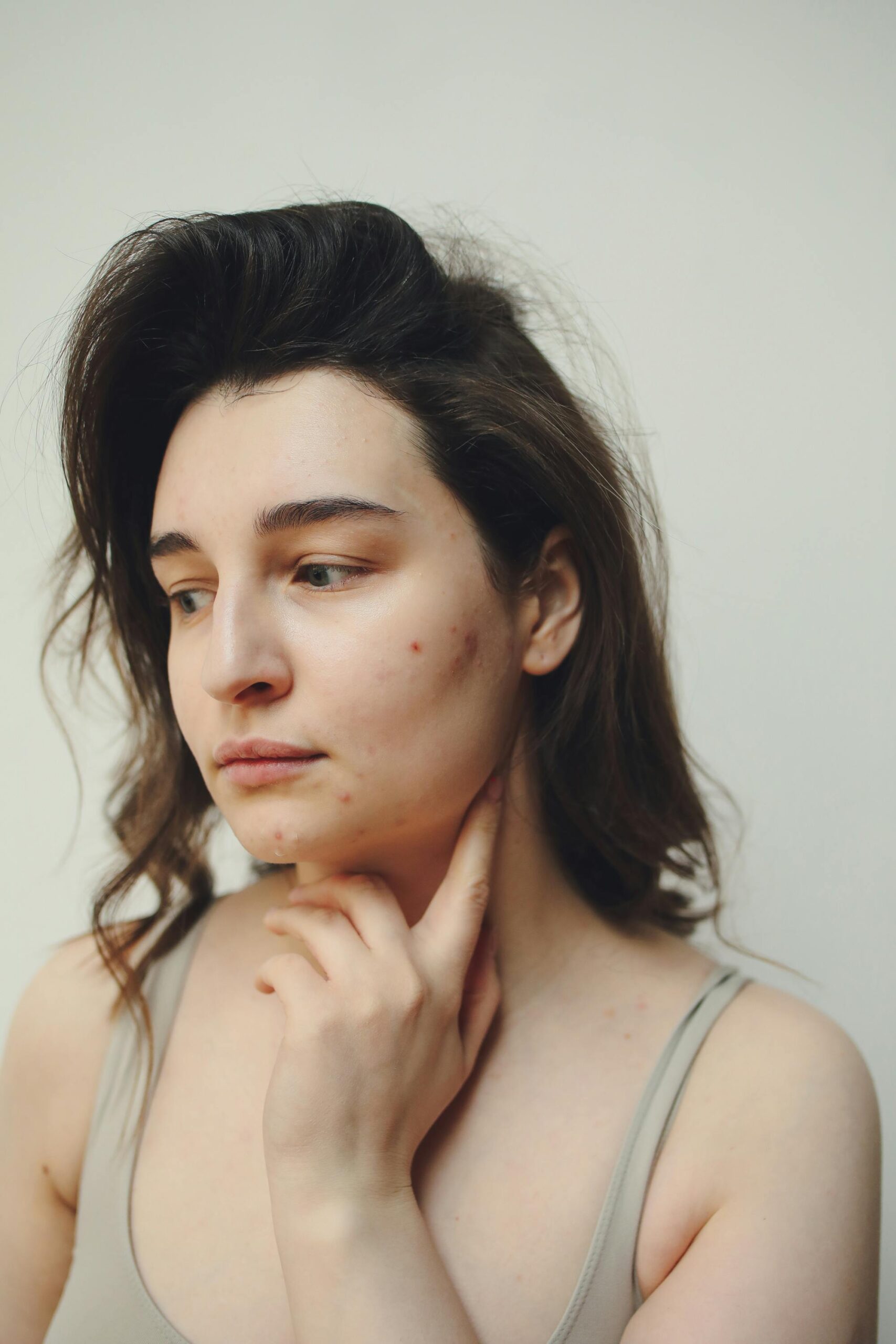
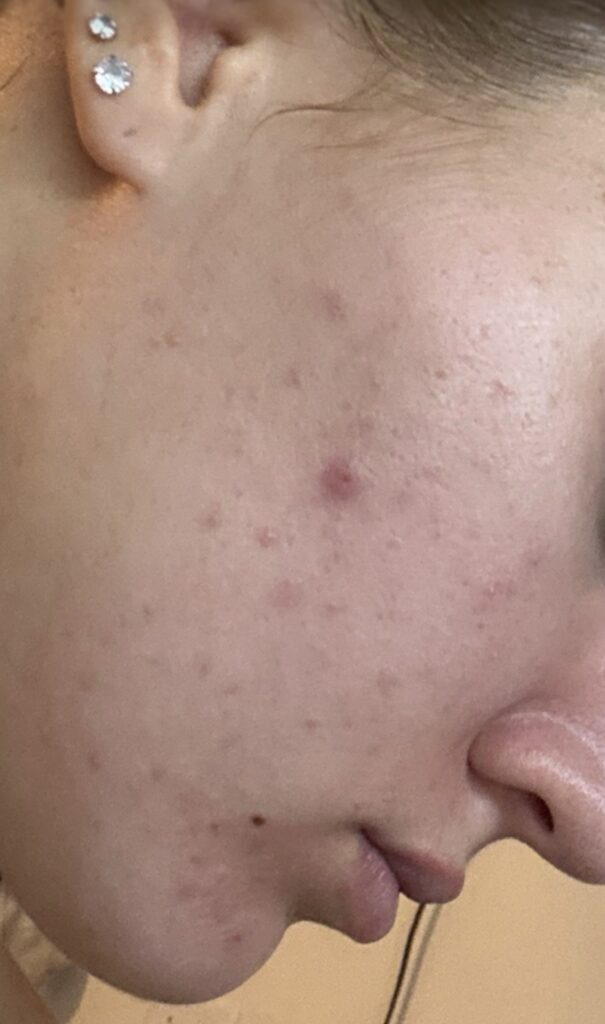
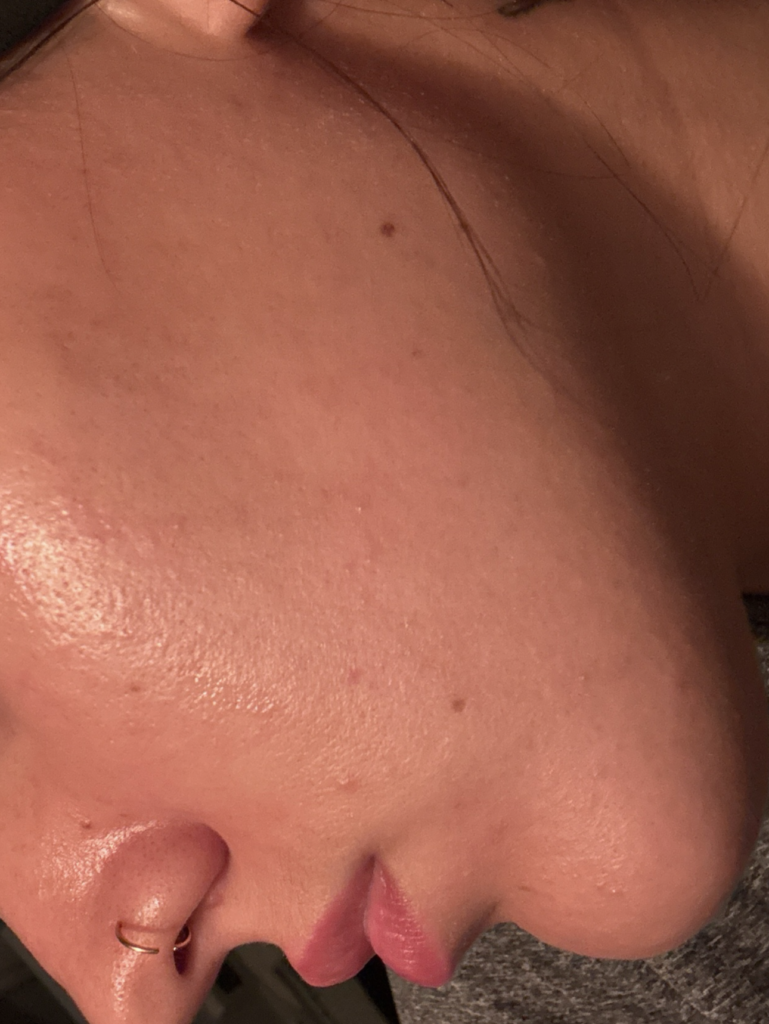
Introduction: My Journey with Stress-Induced Acne
I’ve spent three years obsessing over every variable that might trigger my acne: the products I use, the food I eat, the weather. But nothing has been as consistent as the connection between stress and stress-induced acne.
Two weeks before a big deadline at work? Cystic acne on my jawline. Mid-semester during college? Angry clusters along my chin. A stressful family situation? Deep, painful breakouts that seemed to appear overnight.
But here’s what I’ve learned: Yes, stress does cause acne. But not in the way you might think.
This isn’t just about “oh, stress makes you break out.” The relationship between stress and acne is biological and hormonal, and surprisingly well documented by dermatologists. More importantly, understanding why it happens has helped me manage my acne better than any expensive serum ever could.
The Science: How Stress Actually Triggers Acne
It All Starts With Cortisol (The Stress Hormone)
When you experience stress—whether it’s work pressure, relationship issues, financial worry, or even lack of sleep—your body releases a hormone called cortisol.
Cortisol is your body’s natural “fight or flight” response. It’s supposed to help you deal with immediate danger. But in our modern world, we’re chronically stressed, which means we’re constantly releasing cortisol.
Here’s where your skin comes in.
Cortisol has a direct effect on your sebaceous glands (the glands that produce oil in your skin). When cortisol levels spike, your skin produces more sebum (oil). If you have acne-prone skin—which means your skin is already prone to clogged pores—excess oil is basically fuel for the bacteria that cause stress-induced acne.
But that’s only the beginning.
Stress Triggers Inflammation at the Cellular Level
Beyond oil production, cortisol creates inflammation throughout your body. On your face, this inflammation can:
- Weaken your skin barrier: The protective outer layer of your skin becomes compromised, making you more susceptible to bacteria and irritants.
- Increase bacterial growth: The bacterium Cutibacterium acnes (formerly Propionibacterium acnes) thrives in oily, inflamed environments.
- Impair your immune response: Ironically, while cortisol triggers inflammation, it also suppresses your immune system’s ability to fight bacteria effectively.
This creates a perfect storm for stress-induced acne.
The Gut-Brain-Skin Axis (Yes, It’s Real)
Here’s something I didn’t know until I started researching: stress doesn’t just affect your skin directly—it affects your gut, which in turn affects your skin.
When you’re stressed, your nervous system activates the “fight or flight” response, diverting blood flow away from your digestive system. This can:
- Disrupt your gut microbiome: The balance of healthy bacteria in your gut gets thrown off.
- Increase intestinal permeability: Your gut lining becomes more permeable (sometimes called “leaky gut”), allowing bacterial compounds to enter your bloodstream.
- Trigger systemic inflammation: This inflammation can manifest as acne, especially deep stress-induced acne.
I didn’t realize this was happening to me until I noticed that during high-stress periods, my digestive issues always preceded my worst stress-induced acne flares by about 3-5 days.
Stress Disrupts Your Sleep (Which Makes Everything Worse)
Here’s the vicious cycle I experienced firsthand:
Stress keeps you up at night—your mind races, anxiety peaks, and sleep suffers. Poor sleep increases cortisol levels, leading to more oil production and inflammation, which worsens stress-induced acne. This then causes more stress, and the cycle repeats.
During my most stressful periods, I was sleeping 5-6 hours a night. My skin reflected that immediately. The stress-induced acne would appear within 2-3 days of consistently poor sleep.
Why Stress Causes Cystic Acne (Not Just Regular Breakouts)
Not all acne is created equal. Cystic acne—those deep, painful bumps that feel like they’re under the surface—is typically caused by:
- Severe inflammation deep in the skin
- Hormonal fluctuations
- Spikes in cortisol due to stress
The reason stress triggers cystic acne specifically is because of where the inflammation occurs. When cortisol and stress hormones activate, they create deep, systemic inflammation—not just surface-level inflammation. This is exactly where stress-induced acne forms.
What I Actually Experienced: A Real Timeline
I want to be honest about my own stress-acne connection because it has helped me recognize the pattern.
- Fall 2021: The Semester from Hell
I was taking 18 credits, working 15 hours a week, and dealing with family stress. Over several weeks, I had 4 deep cystic bumps on my jawline and chin due to stress-induced acne. - Winter 2022: The Calm Period
With reduced stress and better sleep, my stress-induced acne almost completely disappeared. - Spring 2022: Work Deadline Stress
Under a 3-week project deadline, sleep dropped back to 6 hours per night, and stress-induced acne returned within 5 days. - Summer 2022: Testing My Theory
I tracked stress levels and sleep, finding a clear correlation: when my stress reached 7+ for consecutive days and sleep dropped below 7 hours, stress-induced acne showed up.
What Actually Helped (Beyond Just “Reduce Stress”)
Saying “just reduce stress” is useless advice. We can’t always control our stress levels. But once I understood the mechanism, I could target specific interventions.
- Sleep Became Non-Negotiable
I committed to 7-8 hours of sleep, even during stressful periods. High-quality sleep became my most powerful acne-fighting tool. - Effective Stress Management Practices
I incorporated activities that genuinely worked for me, such as non-negotiable 30-minute walks and guided yoga for stress - Gut Health Support
I added probiotics, increased fiber intake, and stayed hydrated, which helped stabilize my digestion during stress and reduced stress-induced acne severity. - Strategic Skincare
No product can cure stress-induced acne, but supportive skincare can help during high-stress times. Want more information on skincare routines? Read The Step-by-Step Skincare Routine Guide
The Reality: You Can’t Product Your Way Out of Stress Acne
Accepting this was hard for me. I used to think that finding the right product would solve everything. I learned instead to prioritize sleep and manage stress.
When Stress-Induced Acne Might Indicate Something Else
If you’re experiencing severe, persistent stress-induced acne that doesn’t improve even with better sleep and stress management, it might be worth talking to a dermatologist about possible hormonal causes or other underlying issues.
The Takeaway
Yes, stress causes acne—specifically the deep, inflammatory cystic type that’s hardest to treat. Understanding why it happens—cortisol, inflammation, gut disruption, sleep loss—gave me the power to address the condition effectively.
If you’re dealing with stress-induced acne, consider tracking your patterns, prioritizing sleep, discovering stress management techniques that work for you, and using skincare strategically. Your skin may not become acne-free, but it can become manageable, and that’s worth something.
Leave a Reply