Author: d.skye.stevenson@gmail.com

  • Salicylic Acid vs Benzoyl Peroxide: The #1 Honest Acne Guide

    Salicylic Acid vs Benzoyl Peroxide: The #1 Honest Acne Guide

    GlowWithoutBreakouts.com • Acne Treatment • Updated 2026

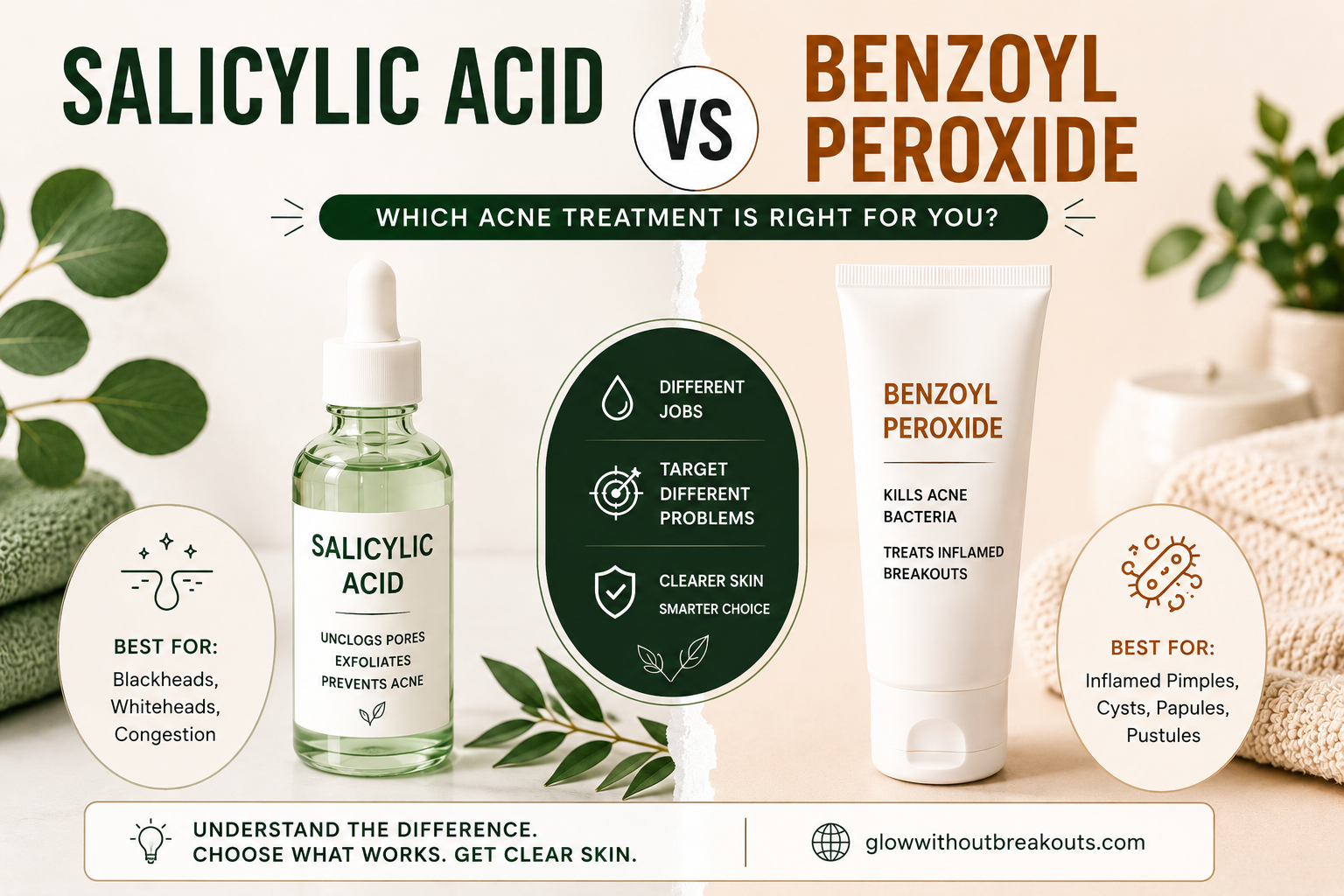
    If you have ever stood in the skincare aisle staring at two different acne products and had absolutely no idea which one to pick, you are not alone. Salicylic acid vs benzoyl peroxide is one of the most common questions I get from readers, and honestly, it confused me for years too. I used both on my own acne-prone skin without really understanding what each one was doing, which meant I was either using the wrong one for my skin type or accidentally using both at the same time and wondering why my skin was so irritated.

    This guide breaks down everything you need to know about salicylic acid vs benzoyl peroxide: how they work differently, which one is right for your skin type and acne type, and how to use them together without destroying your barrier. By the end you will know exactly which one belongs in your routine and how to use it correctly.

    GWB Skin Quiz

    Not sure what skin type you have?

    Take the free quiz before choosing between salicylic acid vs benzoyl peroxide.

    Take the GWB Skin Quiz →

    What Is Salicylic Acid and How Does It Fight Acne?
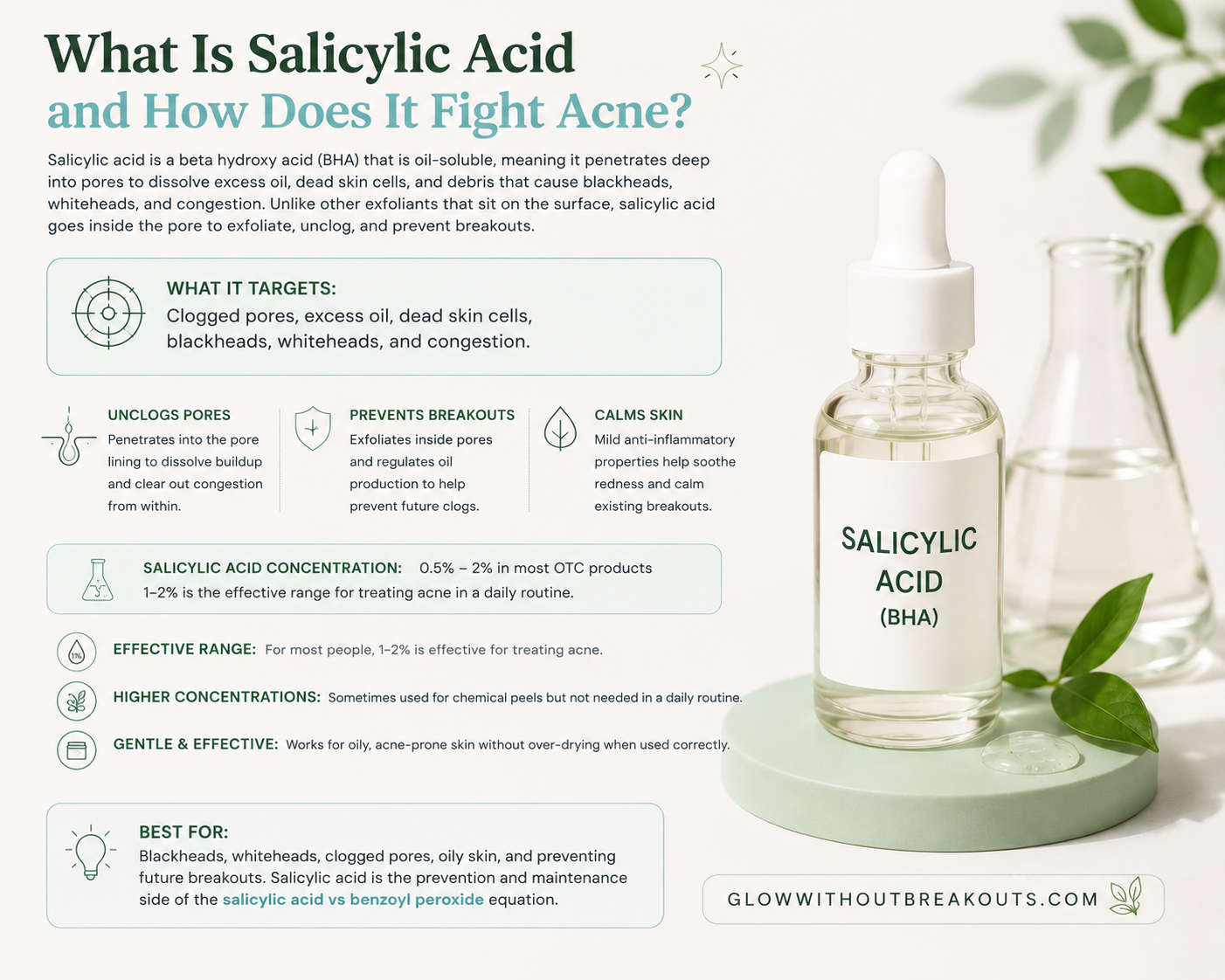
    Salicylic acid infographic explaining how salicylic acid works to fight acne by unclogging pores and exfoliating inside the pore for acne-prone skin.

    Salicylic acid is a beta hydroxy acid, or BHA, which means it is oil-soluble. That is the key detail that makes salicylic acid so effective for acne-prone skin specifically. Because it dissolves in oil, it can actually penetrate into your pores and clear out the sebum, dead skin cells, and debris that cause blackheads, whiteheads, and congestion. Most other exfoliants sit on the surface of the skin. Salicylic acid goes inside the pore.

    When you are comparing salicylic acid vs benzoyl peroxide, the first major difference is what each one targets. Salicylic acid targets clogged pores. It exfoliates within the pore lining, breaks down buildup that causes congestion, and prevents new clogs from forming. It also has mild anti-inflammatory properties, which can help calm existing breakouts, but its main job is prevention and clearing congestion rather than killing bacteria.

    Salicylic acid is available in concentrations ranging from 0.5% to 2% in over-the-counter products. For most people, 1-2% is the effective range for treating acne. Higher concentrations are sometimes used for chemical peels but are not needed in a daily routine.

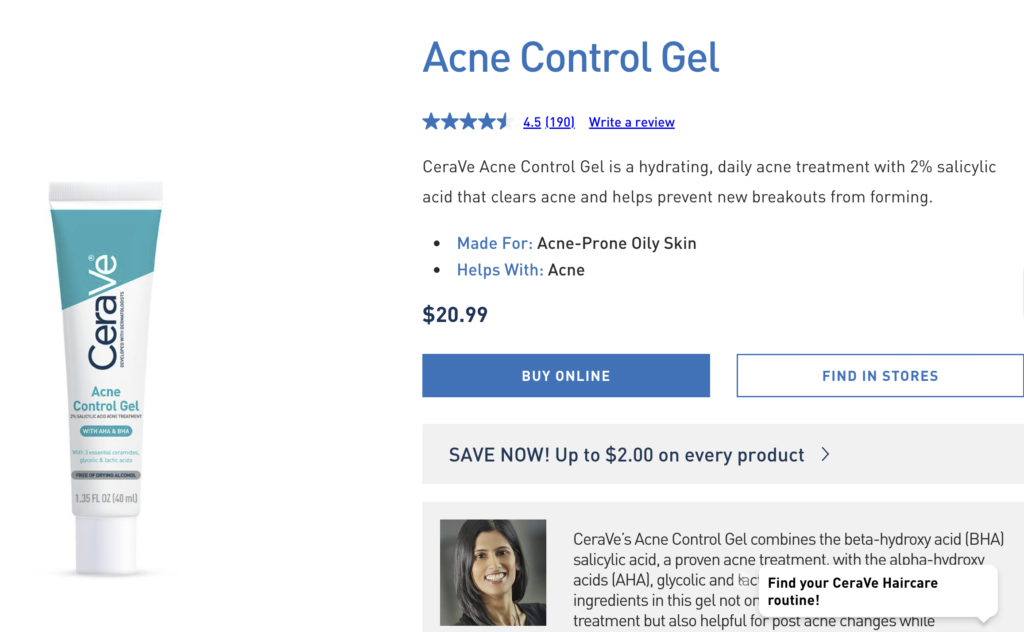
    For a gentle daily cleanser with SA, the Good Molecules Acne Foaming Cleanser | Good Molecules Official Site is one of the most affordable and well-formulated options available. It has 2% SA with alcohol-free witch hazel and aloe, making it effective without stripping. The CeraVe Acne Control Gel | CeraVe Official Site is a great leave-on option with 2% SA alongside AHA and BHA, while the Paula’s Choice BHA Skin Perfecting 2% Liquid | Paula’s Choice Official Site is the cult favorite leave-on SA treatment that has been clearing pores for years. For an overnight treatment, the Good Molecules Overnight Exfoliating Treatment combines AHA and BHA to resurface and renew skin while you sleep.

    💡 Best for: Blackheads, whiteheads, clogged pores, oily skin, and preventing future breakouts. Salicylic acid is the prevention and maintenance side of the salicylic acid vs benzoyl peroxide equation.

    Related reading

    Best Cleansers for Acne-Prone Skin: Tested & Ranked

    Read the post →

    What Is Benzoyl Peroxide and How Does It Fight Acne?
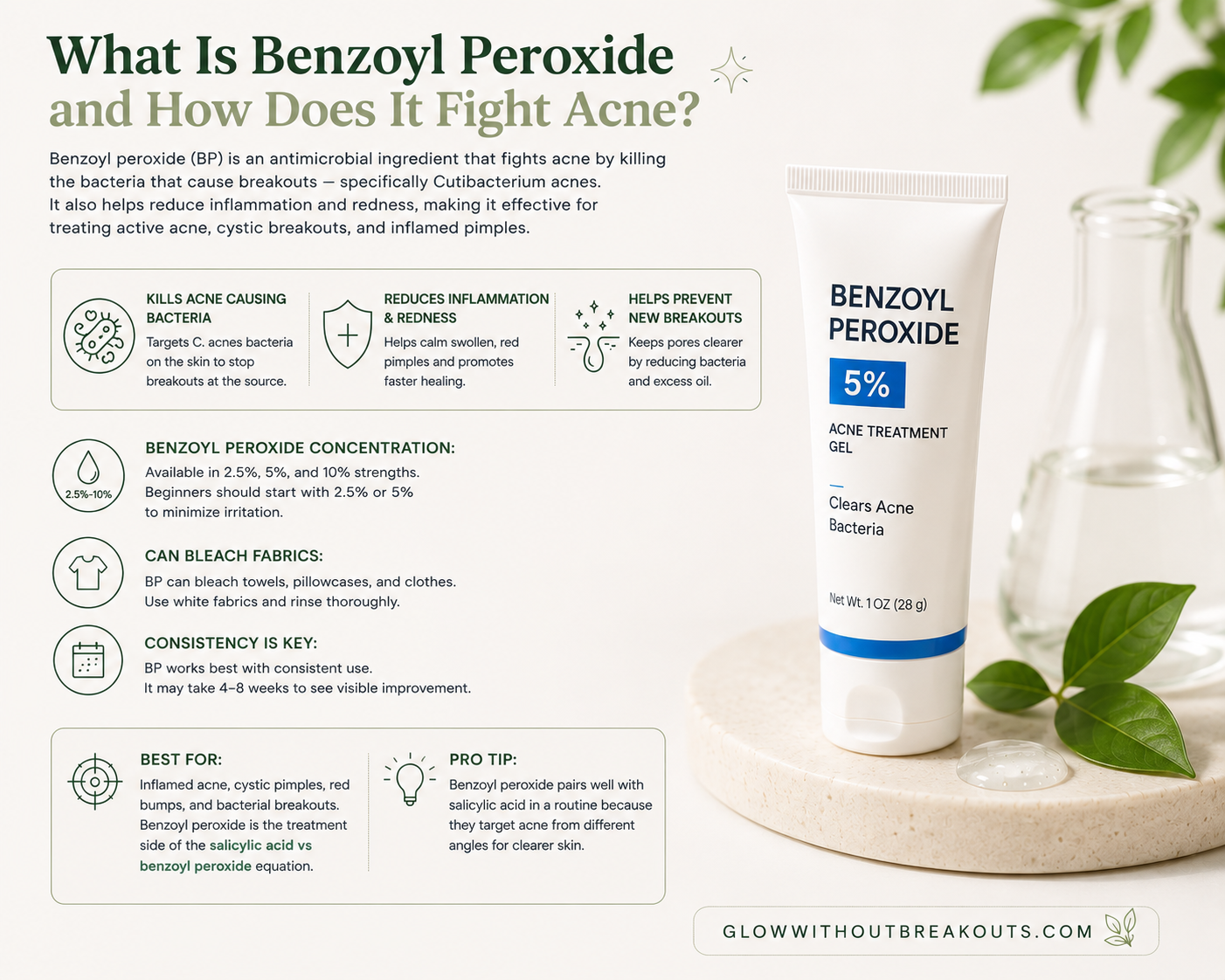
    Benzoyl peroxide infographic explaining how benzoyl peroxide kills acne-causing bacteria to treat inflammatory acne and active breakouts.

    Benzoyl peroxide works completely differently from salicylic acid. Where salicylic acid clears pores, benzoyl peroxide kills bacteria. Specifically it kills Cutibacterium acnes, the bacteria most responsible for inflammatory acne, by introducing oxygen into the pore environment. C. acnes is anaerobic, meaning it cannot survive in oxygen. Benzoyl peroxide floods the pore with oxygen and the bacteria die. It also helps remove dead skin cells and excess oil from the surface of the skin, but bacterial killing is its primary superpower.

    In the salicylic acid vs benzoyl peroxide comparison, benzoyl peroxide is the heavier hitter for active, inflamed breakouts. If salicylic acid is your everyday prevention tool, benzoyl peroxide is your emergency response. It works faster on active pimples, reduces redness and swelling, and can visibly shrink a pimple within 24-48 hours of use. I have personally used both, and the difference in speed of action is noticeable: benzoyl peroxide gets to work faster on a painful cyst or inflamed pimple than salicylic acid does.

    Benzoyl peroxide is available in concentrations of 2.5%, 5%, and 10% over the counter. Contrary to what most people assume, higher is not always better. Studies show that 2.5% benzoyl peroxide is nearly as effective as 10% for treating acne but causes significantly less irritation and dryness.

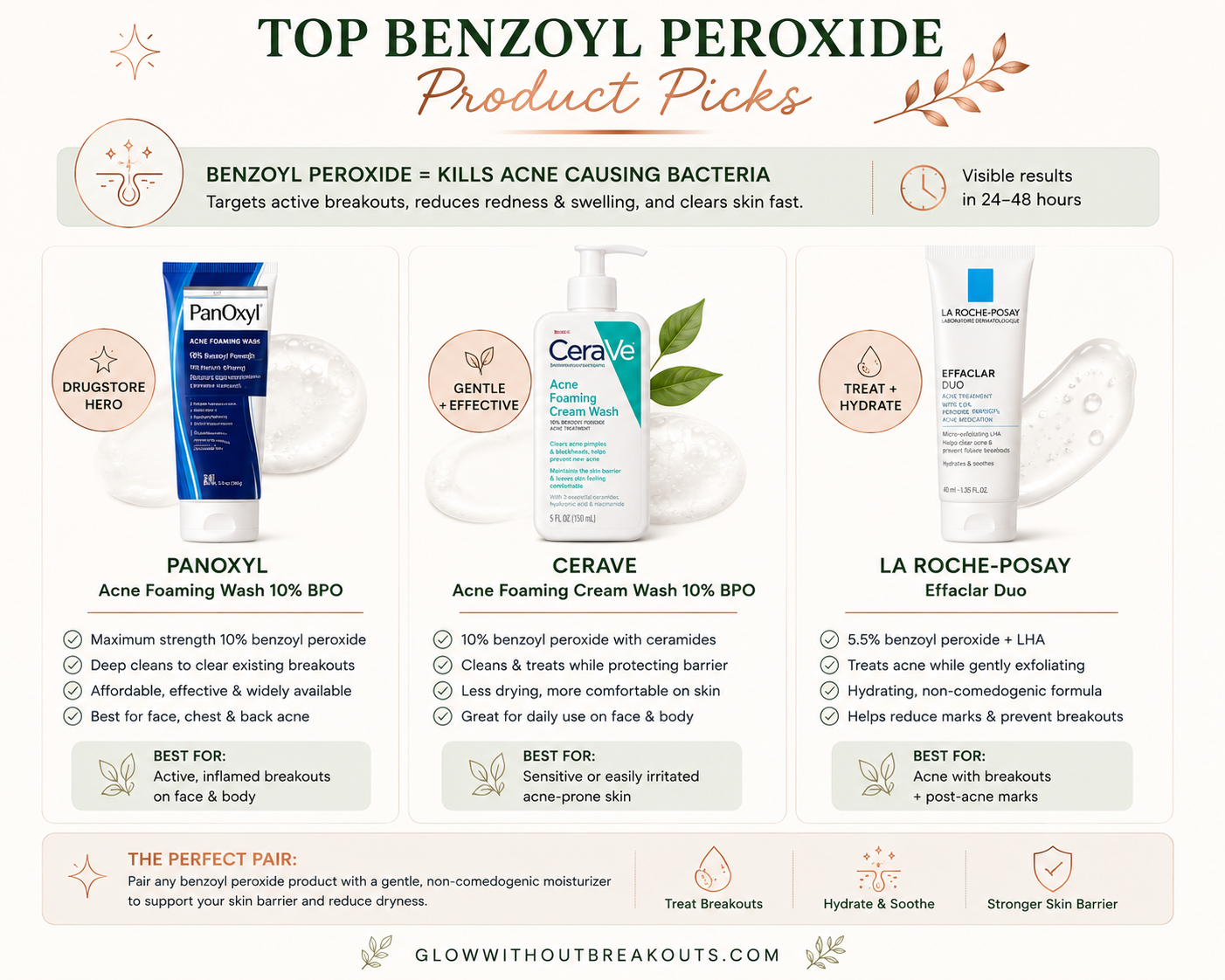
    The PanOxyl Acne Foaming Wash 10% BPO | PanOxyl Official Site is the drugstore hero for benzoyl peroxide — affordable, widely available, and genuinely effective for active inflammatory acne. The CeraVe Acne Foaming Cream Wash 10% BPO | CeraVe Official Site is a slightly gentler formulation with ceramides built in to protect your barrier while the BPO works. If you want something that combines treatment with hydration, the La Roche-Posay Effaclar Duo | La Roche-Posay Official Site uses benzoyl peroxide alongside lipo-hydroxy acid in a moisturizing formula that is gentler on the skin barrier than most standalone BPO products.

    💡 Best for: Inflamed pimples, cysts, papules, and pustules. Benzoyl peroxide is the active treatment side of the salicylic acid vs benzoyl peroxide equation — best for killing bacteria and clearing existing breakouts fast.


    Salicylic Acid vs Benzoyl Peroxide: Head to Head

    Now that you know how each one works, here is the direct salicylic acid vs benzoyl peroxide breakdown across the factors that matter most for acne-prone skin.

    Salicylic Acid vs Benzoyl Peroxide: Quick Comparison
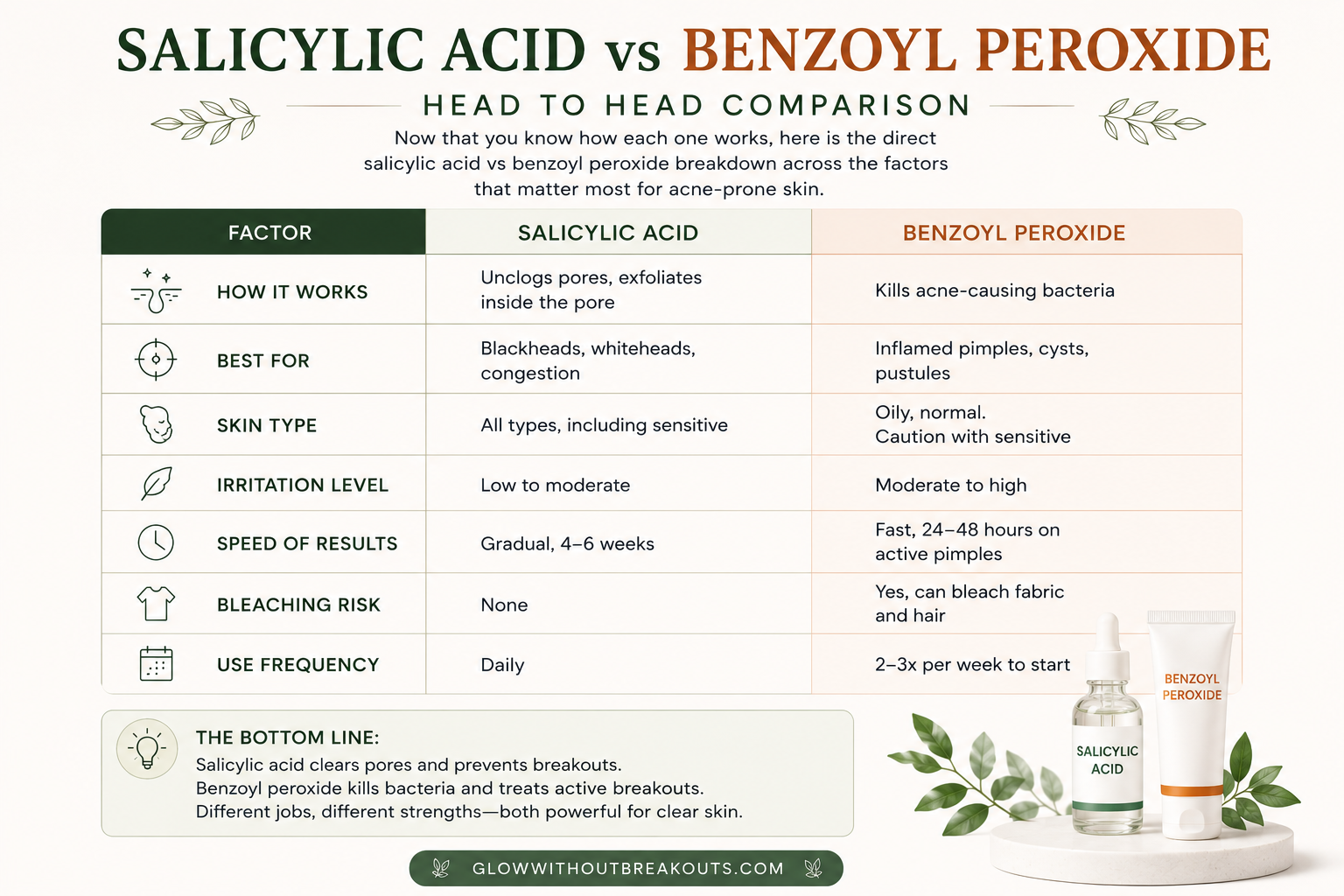
    Salicylic Acid
    Benzoyl Peroxide
    How it works
    Unclogs pores, exfoliates inside the pore
    Kills acne-causing bacteria
    Best for
    Blackheads, whiteheads, congestion
    Inflamed pimples, cysts, pustules
    Skin type
    All types, including sensitive
    Oily, normal. Caution with sensitive
    Irritation level
    Low to moderate
    Moderate to high
    Speed of results
    Gradual, 4-6 weeks
    Fast, 24-48 hours on active pimples
    Bleaching risk
    None
    Yes, can bleach fabric and hair
    Use frequency
    Daily
    2-3x per week to start
    Salicylic acid vs benzoyl peroxide comparison chart showing differences in how they work, best acne types, skin types, irritation level, speed of results and use frequency.

    Salicylic Acid vs Benzoyl Peroxide: Which One Is Right for You?
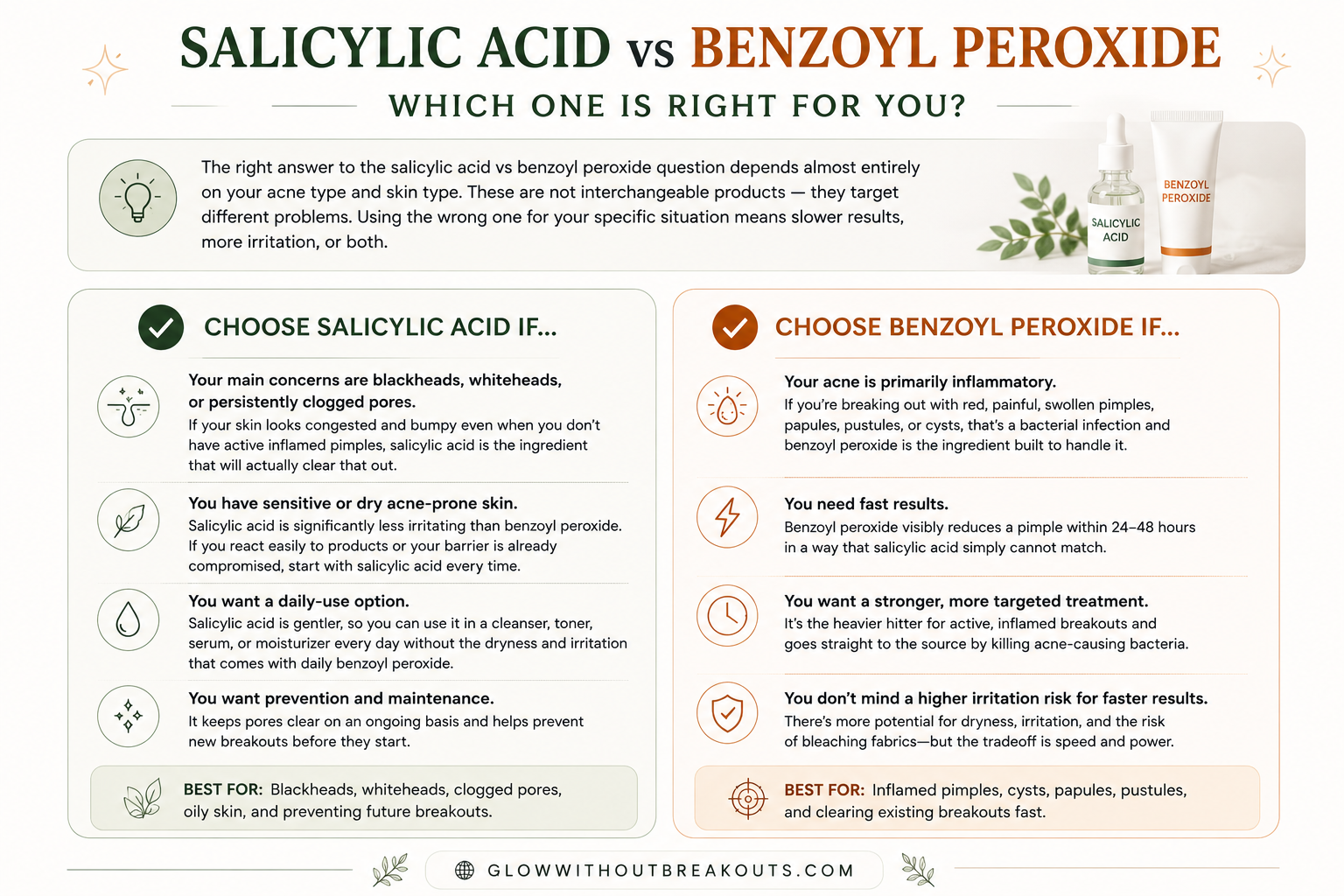
    Salicylic acid vs benzoyl peroxide which is right for you guide showing how to choose the right acne treatment based on your skin type and acne type.

    The right answer to the salicylic acid vs benzoyl peroxide question depends almost entirely on your acne type and skin type. These are not interchangeable products — they target different problems. Using the wrong one for your specific situation means slower results, more irritation, or both.

    Choose Salicylic Acid If…

    Salicylic acid wins the salicylic acid vs benzoyl peroxide debate for you if your main acne concerns are blackheads, whiteheads, or persistently clogged pores. If your skin looks congested and bumpy even when you do not have active inflamed pimples, salicylic acid is the ingredient that will actually clear that out. It is also the better choice if you have sensitive or dry acne-prone skin because it is significantly less irritating than benzoyl peroxide. If you react easily to products or your barrier is already compromised, start with salicylic acid every time.

    Salicylic acid is also the better daily-use option in the salicylic acid vs benzoyl peroxide comparison. Because it is gentler, you can use it in a cleanser, a toner, a serum, or a moisturizer every single day without the dryness and irritation that comes with daily benzoyl peroxide use. It keeps pores clear on an ongoing basis rather than just treating active breakouts.

    Related reading

    Stop Guessing: 3 Routines Based on Your Acne Skin Type

    Read the post →

    Choose Benzoyl Peroxide If…

    Benzoyl peroxide wins the salicylic acid vs benzoyl peroxide debate for you if your acne is primarily inflammatory: red, painful, swollen pimples, papules, pustules, or cysts. If you are breaking out with the kind of pimples that hurt when you touch them, that is a bacterial infection and benzoyl peroxide is the ingredient built to handle it. It is also the better choice when you need fast results because it visibly reduces a pimple within 24-48 hours in a way that salicylic acid simply cannot match.

    In my personal experience with salicylic acid vs benzoyl peroxide, benzoyl peroxide is the ingredient I reach for when a pimple shows up before something important. It is faster, more aggressive, and more effective on active inflamed acne. The tradeoff is more potential for irritation, dryness, and the very real risk of bleaching your pillowcase and towels if you are not careful.

    Related reading

    Best Ways to Make a Pimple Go Away Fast

    Read the post →

    Can You Use Salicylic Acid and Benzoyl Peroxide Together?

    Yes, you can use both in the same routine — but not at the same time in the same step. The salicylic acid vs benzoyl peroxide question does not have to be either/or. Most people with moderate to severe acne benefit from using both strategically because they target completely different mechanisms. Salicylic acid keeps pores clear and prevents congestion. Benzoyl peroxide kills the bacteria that cause inflamed breakouts. Together they cover both sides of the acne equation.

    The key when using salicylic acid vs benzoyl peroxide together is to separate them to avoid over-irritating your skin. The most effective approach is to use salicylic acid in your daily routine — in a cleanser or leave-on product — and reserve benzoyl peroxide for spot treatment on active breakouts or for 2-3 times per week use in a wash-off cleanser. Never layer them directly on top of each other in the same routine. That combination is almost guaranteed to strip and irritate your skin, which can actually make breakouts worse by compromising your barrier.

    💬 My Experience: When I was figuring out salicylic acid vs benzoyl peroxide for my own skin, I made the mistake of using both every single day thinking more was better. My skin became so dry and irritated that I started breaking out even more. Once I separated them, using salicylic acid daily and benzoyl peroxide only 2-3 times a week as a targeted treatment, my skin completely calmed down and actually cleared up. The separation is everything.

    Related reading

    5 Critical Mistakes That Shattered Your Skin Barrier

    Read the post →

    How to Use Salicylic Acid vs Benzoyl Peroxide in Your Routine

    Here is exactly how to incorporate salicylic acid vs benzoyl peroxide into a real routine without over-doing it. This is the approach that worked for my own acne-prone skin after years of trial and error.

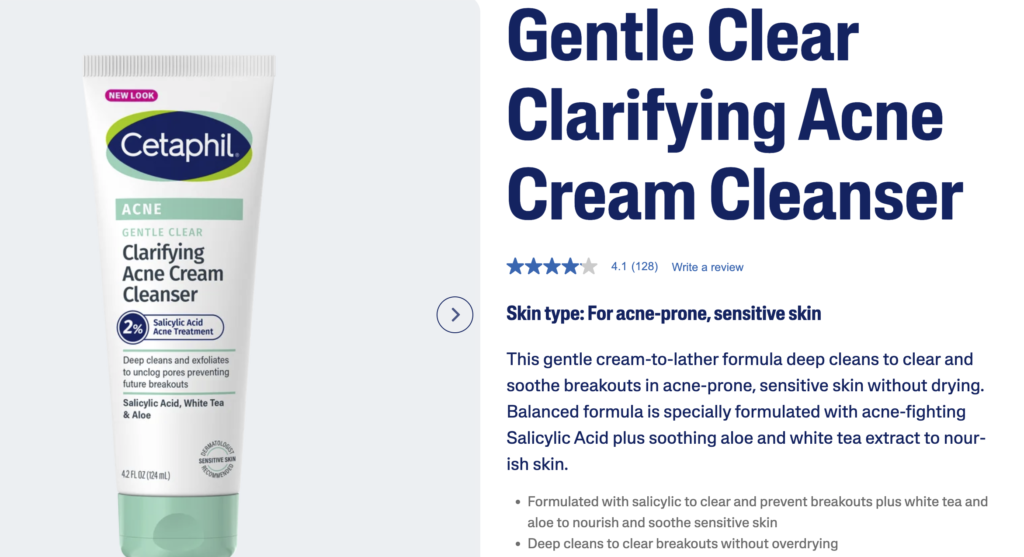
    ☀️ AM Routine: Cleanse with a salicylic acid cleanser like the Cetaphil Gentle Clear Clarifying Acne Cream Cleanser or use a gentle non-active cleanser and apply the CeraVe Acne Control Gel as a leave-on treatment. Follow with moisturizer and SPF. No benzoyl peroxide in the morning — it increases sun sensitivity.

    🌙 PM Routine (2-3x per week): Cleanse with the CeraVe Acne Foaming Cream Wash 10% BPO on the nights you use benzoyl peroxide. Follow immediately with a ceramide-rich moisturizer to counteract the dryness. Do not use salicylic acid on the same night as your benzoyl peroxide wash.

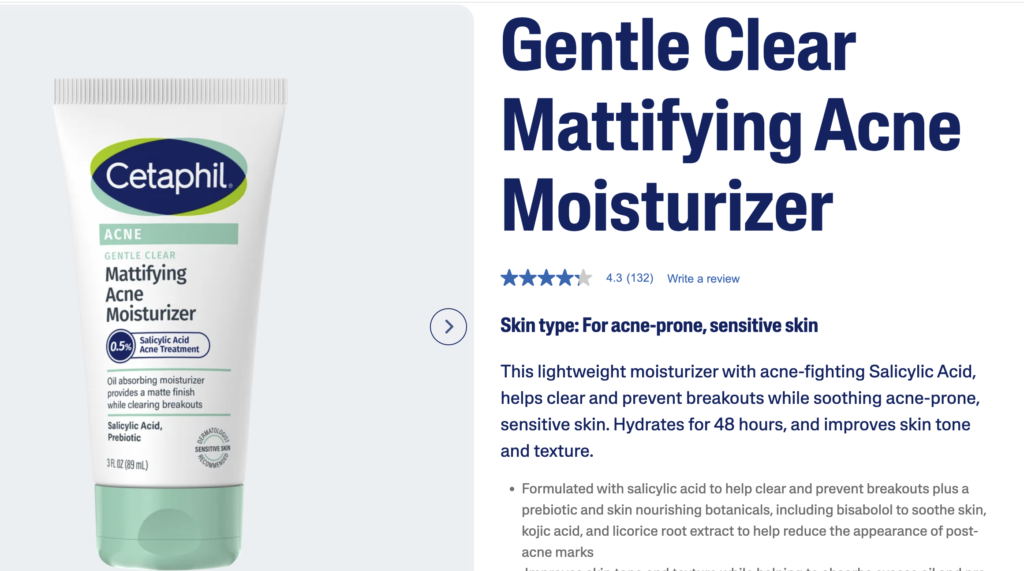
    🌙 PM Routine (other nights): Use a gentle cleanser with no actives and apply your salicylic acid leave-on treatment or the Cetaphil Gentle Clear Mattifying Acne Moisturizer which contains 0.5% SA to gently treat overnight. This keeps pores clear on your off nights from benzoyl peroxide.

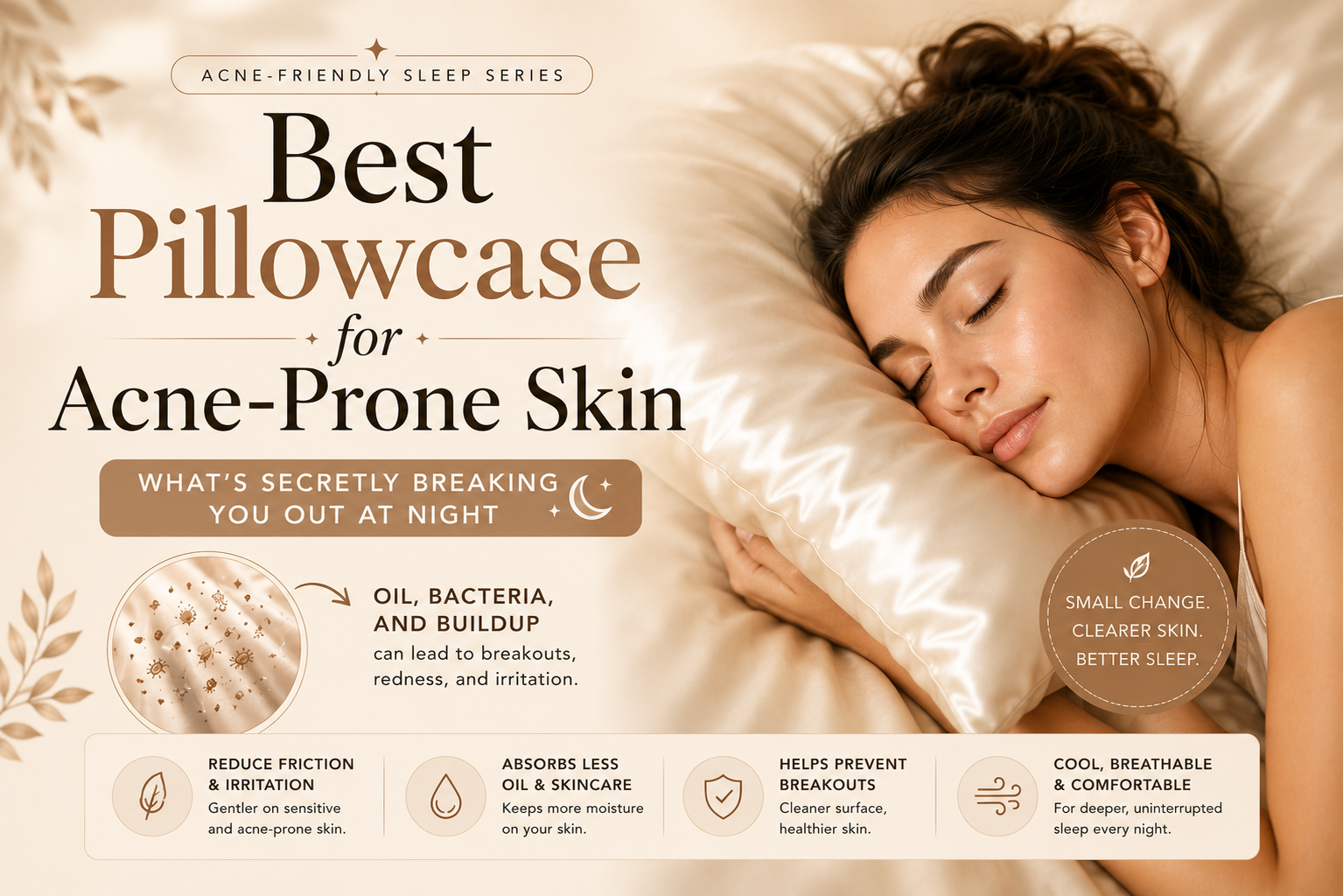
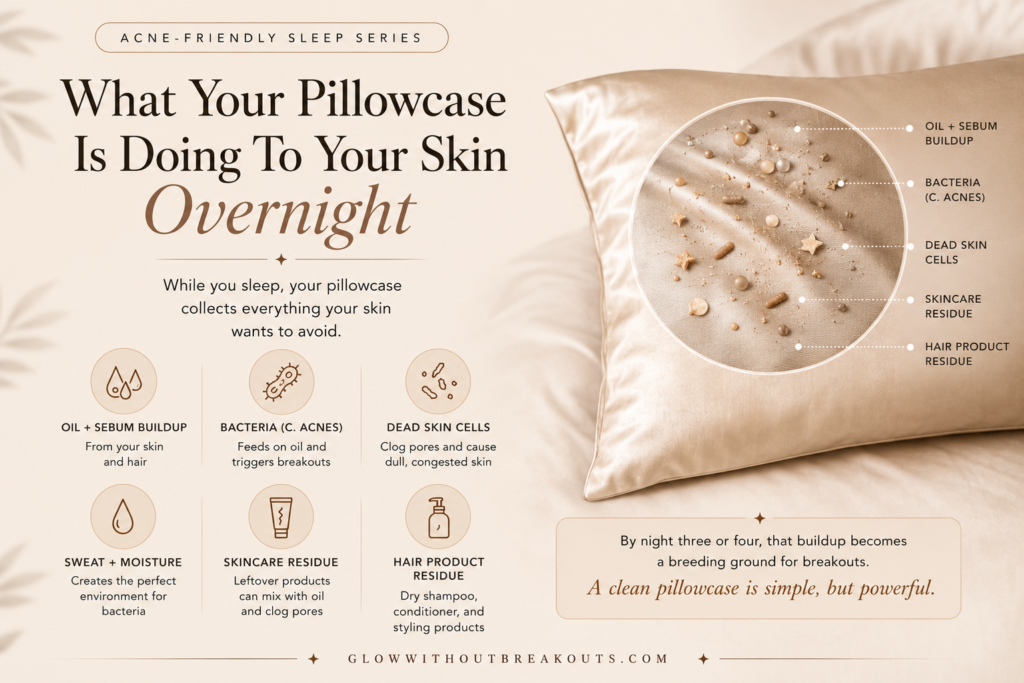
    💡 Pro Tip: Benzoyl peroxide bleaches fabric. If you use it in a leave-on product or wash it off and some residue is left on your skin, it will bleach your pillowcase and towels. Use white pillowcases and white towels on nights you use benzoyl peroxide, or switch to a wash-off BPO cleanser only. Read more about the best pillowcases for acne-prone skin here.

    Related reading

    Best Pillowcase for Acne-Prone Skin: What’s Actually Breaking You Out at Night

    Read the post →

    Shop Salicylic Acid and Benzoyl Peroxide Products
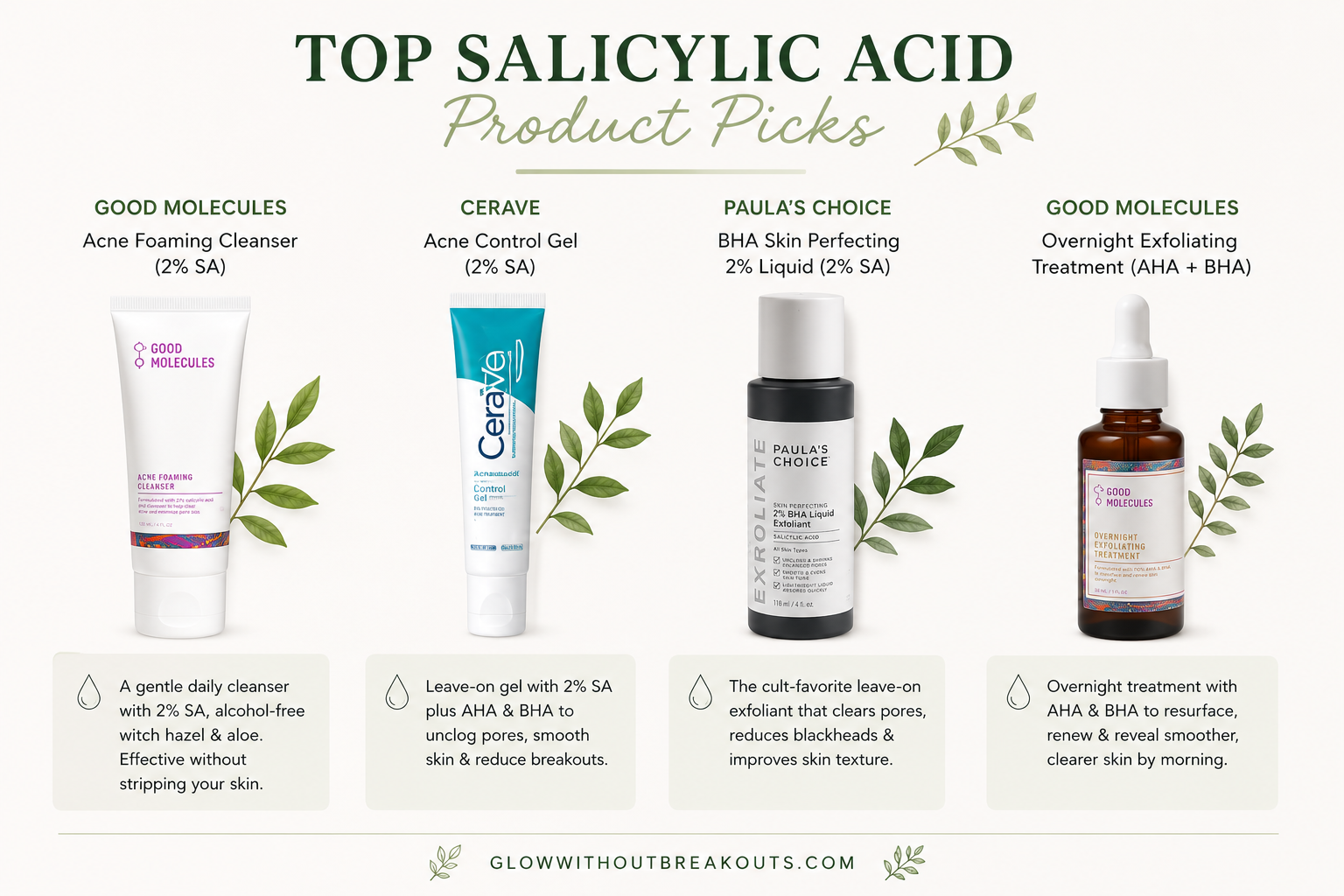
    Top salicylic acid product picks for acne-prone skin including Good Molecules, Paula's Choice, CeraVe, Cetaphil, The Ordinary and La Roche-Posay.
    🛒 Shop Salicylic Acid Products
    Good Molecules Acne Foaming Cleanser (2% SA)
    Good Molecules Overnight Exfoliating Treatment (AHA + BHA)
    Paula’s Choice BHA Skin Perfecting 2% Liquid
    CeraVe Acne Control Gel (2% SA)
    Cetaphil Gentle Clear Clarifying Acne Cream Cleanser (2% SA)
    Cetaphil Gentle Clear Mattifying Acne Moisturizer (0.5% SA)
    The Ordinary Salicylic Acid 2% Solution
    La Roche-Posay Effaclar Medicated Gel Cleanser (2% SA)
    Top benzoyl peroxide product picks for acne-prone skin including PanOxyl, CeraVe, La Roche-Posay Effaclar Duo and pimple patches.
    🛒 Shop Benzoyl Peroxide Products
    PanOxyl Acne Foaming Wash 10% BPO
    CeraVe Acne Foaming Cream Wash 10% BPO
    La Roche-Posay Effaclar Duo (BPO + LHA)
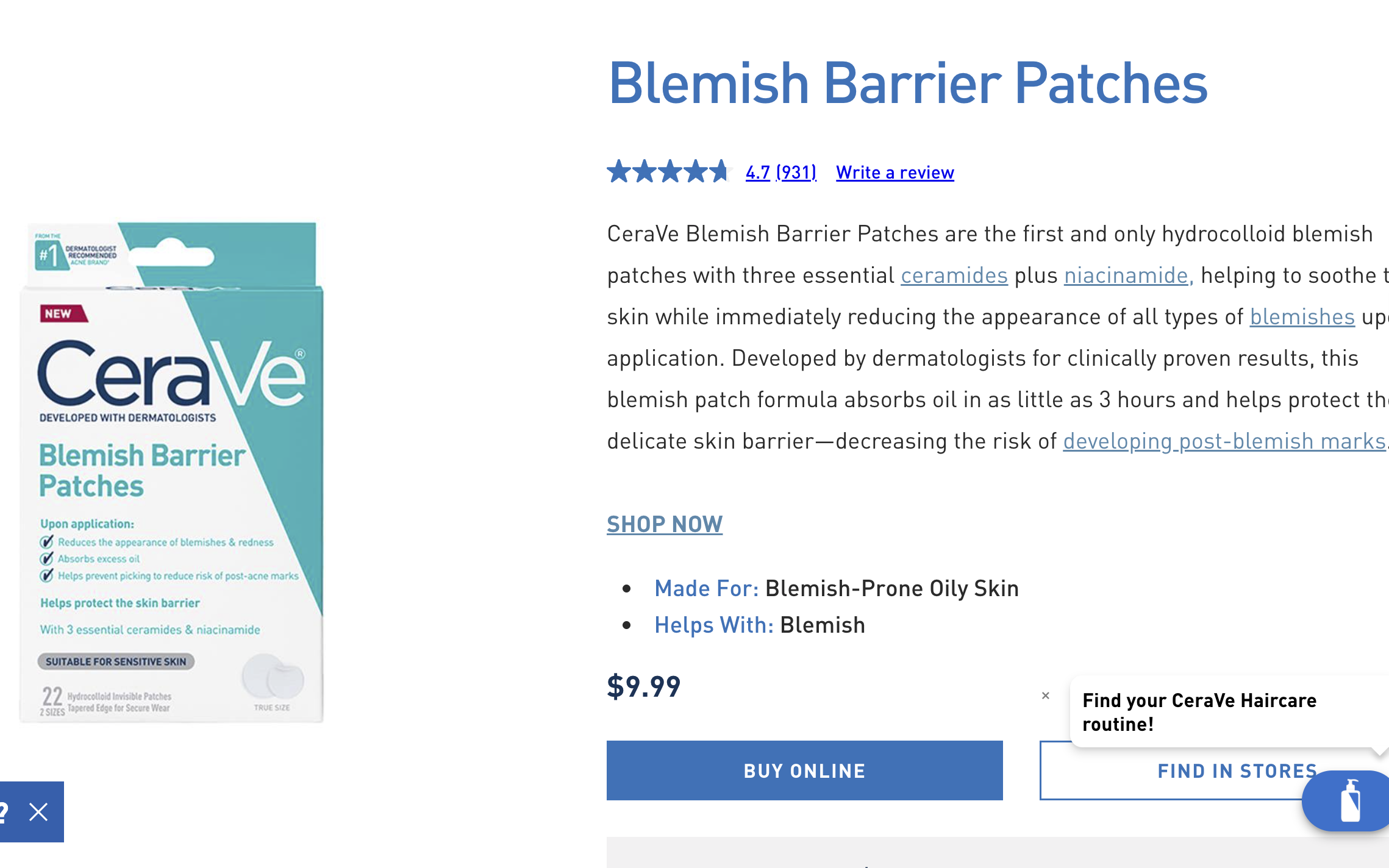
    CeraVe Blemish Barrier Patches
    Cetaphil Fast Rescue Pimple Patches

    Salicylic Acid vs Benzoyl Peroxide for Specific Acne Types

    One of the most useful ways to think about salicylic acid vs benzoyl peroxide is by matching each ingredient to the specific type of acne you are dealing with. Not all acne is the same and the ingredient that works for one type can be completely wrong for another.

    Salicylic Acid vs Benzoyl Peroxide for Hormonal Acne

    Hormonal acne typically shows up as deep, painful cysts around the chin, jawline, and lower cheeks. It is driven by androgen hormones that increase sebum production and trigger inflammation deep in the pore. When it comes to salicylic acid vs benzoyl peroxide for hormonal acne, neither ingredient is a complete solution on its own because the root cause is internal.

    With that being said, benzoyl peroxide is the better topical option for active hormonal breakouts because it targets the bacterial component that makes hormonal cysts so inflamed and painful. Salicylic acid helps prevent the clogging that can make hormonal breakouts worse, so using both strategically: salicylic acid daily and benzoyl peroxide as a spot treatment, gives you the best coverage for hormonal acne.

    If you are dealing with persistent hormonal acne that does not respond to topical treatment, it is worth talking to a dermatologist about prescription options. Topical retinoids, oral medications, and hormonal treatments can work alongside salicylic acid vs benzoyl peroxide for better long-term results.

    Related reading

    Does Stress Really Cause Acne? Here’s What the Science Says

    Read the post →

    Salicylic Acid vs Benzoyl Peroxide for Back and Chest Acne

    Back and chest acne responds really well to both ingredients but in slightly different ways than facial acne. The skin on your back and chest is thicker and less sensitive than facial skin, which means it can generally tolerate higher concentrations and more frequent use without the same level of irritation. In the salicylic acid vs benzoyl peroxide comparison for body acne, benzoyl peroxide body washes are often the most effective starting point because body acne tends to be more inflammatory and bacterial than facial acne. The PanOxyl Acne Foaming Wash 10% BPO is a popular choice for back and chest acne specifically because of its high concentration and wash-off format.

    Salicylic acid body sprays and washes are useful for maintaining clear skin between flare-ups and preventing the clogged pores that contribute to back and chest breakouts. If you sweat a lot or work out regularly, a salicylic acid body wash used after exercise is one of the most effective preventive steps you can take for body acne.

    Salicylic Acid vs Benzoyl Peroxide for Blackheads and Whiteheads

    This is where salicylic acid wins the salicylic acid vs benzoyl peroxide debate clearly and without much contest. Blackheads and whiteheads are non-inflammatory comedones — they are caused by clogged pores, not by bacteria. Benzoyl peroxide kills bacteria and has minimal effect on comedones because there is no bacterial infection to target. Salicylic acid, on the other hand, is specifically designed for this: it penetrates the pore, dissolves the buildup, and prevents new clogs from forming. If blackheads and whiteheads are your primary concern, salicylic acid used consistently is your best over-the-counter option. The Paula’s Choice BHA Skin Perfecting 2% Liquid and the Good Molecules Overnight Exfoliating Treatment are two of the most effective leave-on options for persistent blackheads.

    Salicylic Acid vs Benzoyl Peroxide for Fungal Acne

    Fungal acne, technically called Malassezia folliculitis, is a skin condition that looks like acne but is caused by an overgrowth of yeast rather than bacteria. This is an important distinction in the salicylic acid vs benzoyl peroxide discussion because neither ingredient is the right treatment for fungal acne.

    Benzoyl peroxide targets bacterial acne specifically and has no effect on yeast. Salicylic acid can help with surface exfoliation but will not address the underlying fungal cause. If you have been using salicylic acid vs benzoyl peroxide consistently without improvement and your breakouts are small, uniform, itchy bumps that appear on your forehead, chest, or back, it is worth investigating whether you might have fungal acne rather than bacterial acne. A dermatologist can confirm with a simple exam and the treatment is completely different.

    💡 Pro Tip: If you have been using salicylic acid vs benzoyl peroxide for months without seeing improvement, it is worth reconsidering whether your acne type is actually responding to these ingredients. Hormonal, fungal, and barrier-related breakouts all require different approaches. A dermatologist visit can save you months of using the wrong products.

    Related reading

    Over-Exfoliation Recovery: How to Know When You’ve Gone Too Far

    Read the post →

    Salicylic Acid vs Benzoyl Peroxide: The Final Verdict

    The salicylic acid vs benzoyl peroxide debate does not have a single winner because they are not competing for the same job. Salicylic acid prevents and clears congestion. Benzoyl peroxide kills bacteria and treats active inflamed breakouts. If you only have one in your routine right now, choose based on your primary acne type: blackheads and clogged pores point to salicylic acid, inflamed painful pimples point to benzoyl peroxide. If you have both types of acne, use both strategically by separating them into different nights or different steps.

    The most important thing I learned from years of using salicylic acid vs benzoyl peroxide on my own skin is that more is never better with either of these ingredients. Start with one at a time, introduce slowly, always follow with a good moisturizer, and give your skin time to adjust before adding anything new. A damaged barrier will not respond to either ingredient no matter how well you apply them.

    Related reading

    The Worst Skincare Mistake I Made: And How to Repair Your Barrier

    Read the post →

    More From GlowWithoutBreakouts

    GWB Skin Quiz

    Still not sure whether salicylic acid vs benzoyl peroxide is right for your skin?

    Take the free quiz and get matched to the right routine for your skin type.

    Take the GWB Skin Quiz →

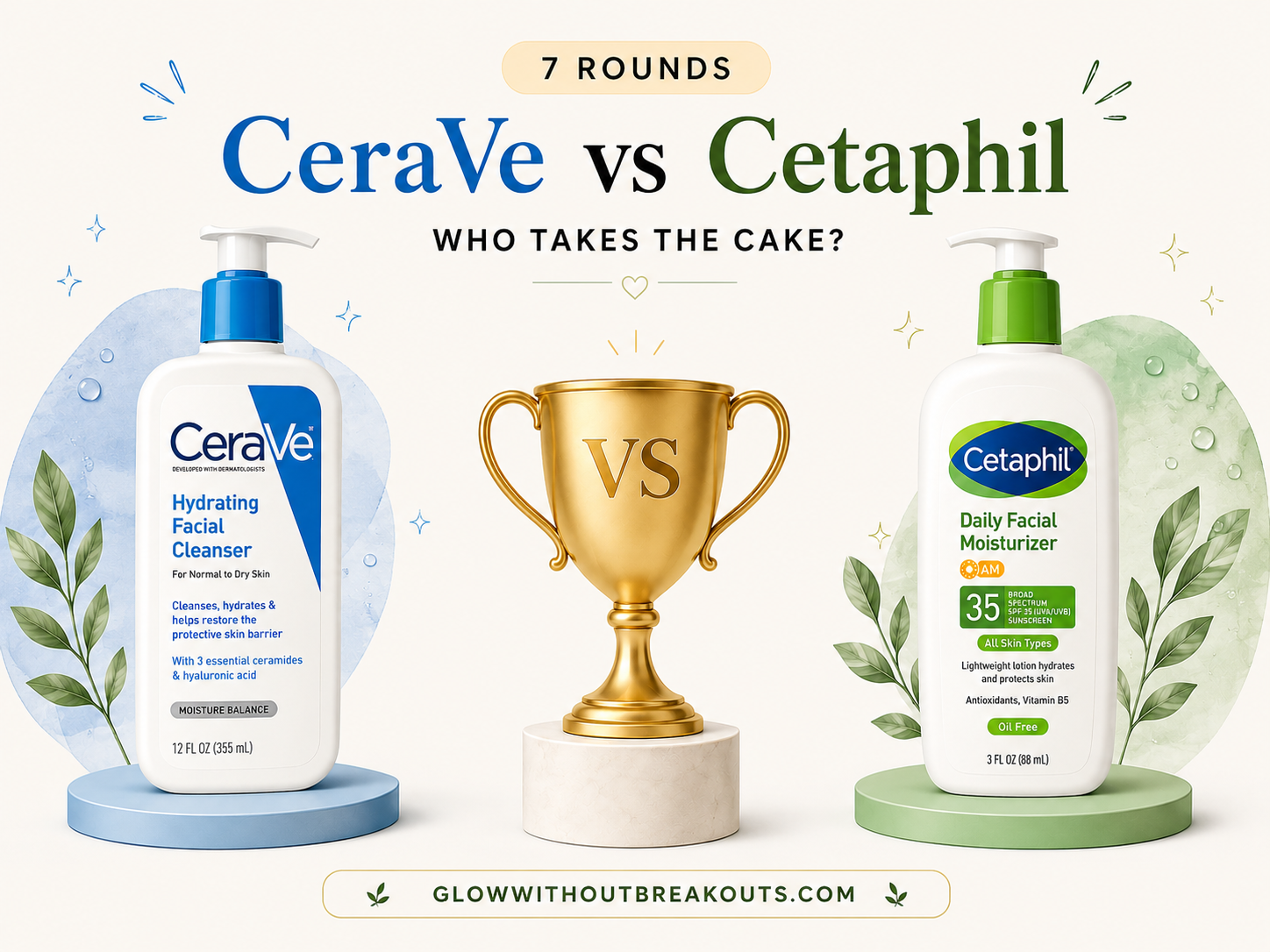
    7 Brutal Rounds: CeraVe vs Cetaphil — Advice From the Lab Rat
    Stop Guessing: 3 Routines Based on Your Acne Skin Type
    Best Cleansers for Acne-Prone Skin: Tested & Ranked
    Best Sunscreen for Acne-Prone Skin
    5 Critical Mistakes That Shattered Your Skin Barrier
    Over-Exfoliation Recovery: How to Fix Damaged Skin
    7+ Powerful Habits That Actually Prevent Breakouts
    Best Ways to Make a Pimple Go Away Fast
    Does Stress Really Cause Acne?
    Best Pillowcase for Acne-Prone Skin
    The Worst Skincare Mistake I Made


    Disclaimer: This post contains affiliate links. If you purchase through these links, I may earn a small commission at no extra cost to you. All opinions are 100% my own and based on personal experience and honest research. This is not medical advice, please consult a dermatologist for persistent acne concerns.
  • 5 Essential Steps to Glowy Summer Skin (Acne-Prone Edition)

    5 Essential Steps to Glowy Summer Skin (Acne-Prone Edition)

    GlowWithoutBreakouts.com • Summer Skincare Routine • Updated 2026

    Summer changes everything for acne-prone skin. The humidity, the heat, the sweat: your go-to routine from February suddenly stops working in July. Your skin feels greasier, more reactive, and somehow more dehydrated at the same time. If your summer skincare routine for acne prone skin has ever felt like it was working against you instead of for you, you are not alone and you are not doing anything wrong. Your skin just needs a seasonal reset.

    These 5 steps are your summer skincare routine for acne prone skin, built specifically to keep you glowy, clear, and comfortable when the temperature rises. No heavy products, no stripping your skin, no sacrificing hydration for the sake of oil control. Just a routine that actually makes sense for what summer does to acne-prone skin.

    GWB Skin Quiz

    Not sure what skin type you have?

    Take the free quiz before building your summer skincare routine.

    Take the GWB Skin Quiz →

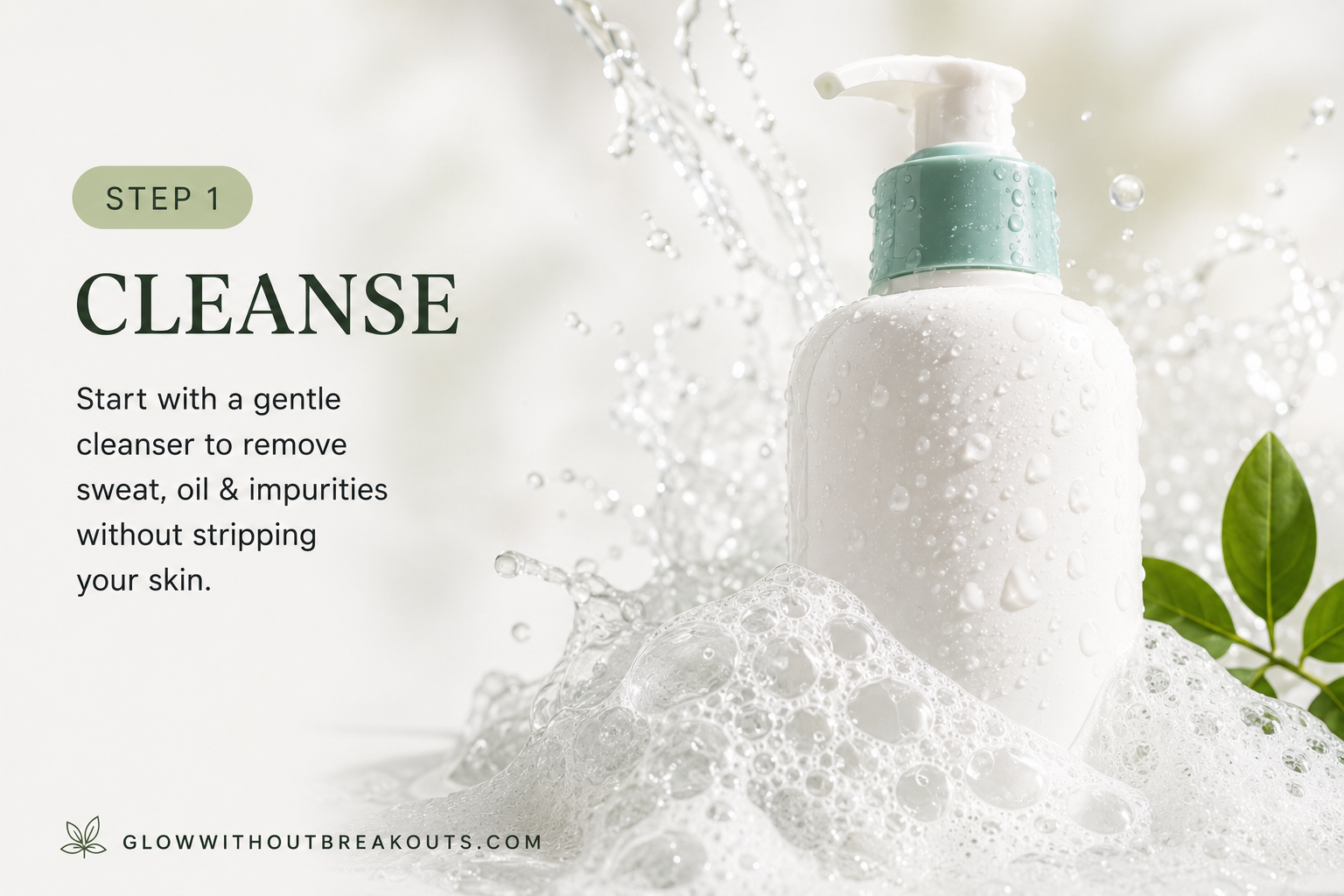
    Step 1: Start With a Gentle Cleanser (With a Boost Option for Active Breakouts)

    Step 1 Cleanse: Start your summer skincare routine for acne prone skin with a gentle cleanser.

    Summer heat strips your skin differently than winter cold does. You might think your skin needs a stronger cleanser because it feels oilier, but the opposite is usually true. Heat and humidity make your skin more reactive, which means a harsh cleanser in July can trigger more breakouts than it prevents. Your summer skincare routine for acne prone skin starts with the gentlest cleanser that still actually cleans, and if you have active breakouts, there is a simple boost option to add without overwhelming your skin.

    For most skin types, the Cetaphil Daily Facial Cleanser | Cetaphil Official Site is the move in summer. It removes sweat, sunscreen, and excess oil without stripping a single drop of moisture from your barrier. If you have sensitive acne-prone skin and want something even gentler, the Beplain Mung Bean Cleanser | Beplain Official Site is a summer favorite for reactive skin. The powder-to-cream formula is incredibly soothing and leaves skin clean without any tightness. For oily or combination acne-prone skin, the CeraVe Foaming Facial Cleanser | CeraVe Official Site gives you that deeper clean while keeping ceramides and niacinamide in the formula to protect your barrier.

    If you want a cleanser that actively treats acne while cleansing, the Paula’s Choice RESIST Perfectly Balanced Foaming Cleanser | Paula’s Choice Official Site is the best option. It has 2% salicylic acid but is formulated gently enough that it does not strip or over-dry, which is exactly what you need in a summer skincare routine for acne prone skin.

    The Boost Option: If you are dealing with active breakouts, swap in the Cetaphil Gentle Clear Clarifying Acne Cream Cleanser | Cetaphil Official Site two to three times a week. It has 2% salicylic acid with aloe and white tea to target breakouts without the harshness of a full BPO wash in the summer heat. Use your gentle cleanser on the other nights to give your skin a break.

    💡 Pro Tip: In summer, cleanse twice a day without fail: once in the morning to remove overnight sweat and once at night to remove SPF, oil, and everything your skin picked up during the day. Skipping your morning cleanse is one of the fastest ways to clog pores in humid weather.

    🛒 Shop Step 1: Cleansers
    Cetaphil Daily Facial Cleanser
    Beplain Mung Bean Cleanser (sensitive skin)
    CeraVe Foaming Facial Cleanser (oily skin)
    Paula’s Choice RESIST Perfectly Balanced Foaming Cleanser
    Cetaphil Gentle Clear Clarifying Acne Cream Cleanser (boost option)

    Related reading

    Best Cleansers for Acne-Prone Skin: Tested & Ranked

    Read the post →

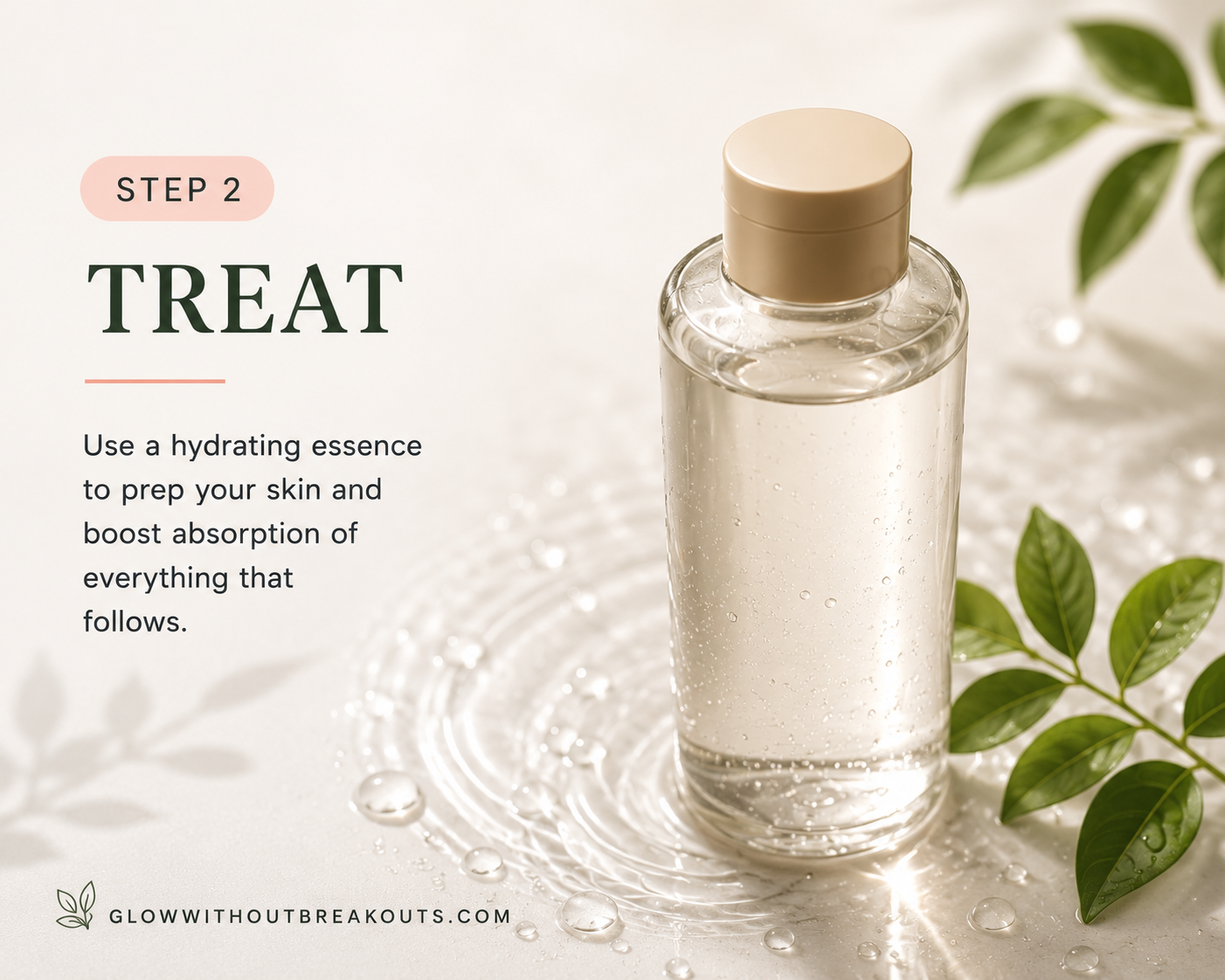
    Step 2: Skip the Toner — Use a Hydrating Essence Instead

    Step 2 Treat: Use a hydrating essence in your summer skincare routine for acne prone skin.

    Most toners, even the ones marketed for acne-prone skin, are too stripping for summer. Alcohol-based toners evaporate fast, which feels refreshing in the moment but strips your moisture barrier right when it is already being challenged by heat and sweat. Astringent toners can also trigger rebound oiliness, which is the last thing you want in your summer skincare routine for acne prone skin. An essence does the complete opposite: it floods skin with lightweight hydration before anything else, priming your barrier to absorb everything you put on top of it.

    The The Ordinary Multi-Active Delivery Essence for Hydration | The Ordinary Official Site is the one I personally use and it has completely changed my summer skincare routine for acne prone skin. It layers under everything and your skin absorbs it immediately. There is no heaviness, no residue, just an instant plumpness that makes everything else in your routine work better. In summer especially it is the step that gives you that glow without any greasiness.

    💬 My Review: I was skeptical about essences for a long time because I thought they were just fancy toners. The Ordinary Multi-Active Delivery Essence completely changed my mind. I press a few drops into clean damp skin and it absorbs instantly. My skin looks visibly more hydrated within minutes and everything I layer on top just sits better. It has become the non-negotiable step in my summer skincare routine for acne prone skin.

    Apply on clean damp skin right after cleansing. Press it in gently with clean hands rather than wiping — this helps it absorb faster and means you are not dragging anything across skin that might be a little sensitive from summer heat.

    💡 Pro Tip: Apply your essence on damp skin for maximum absorption. Pat it in with clean hands rather than a cotton pad — you lose less product and it absorbs more evenly. Wait 30 seconds before moving to your next step.

    🛒 Shop Step 2: Essence
    The Ordinary Multi-Active Delivery Essence for Hydration

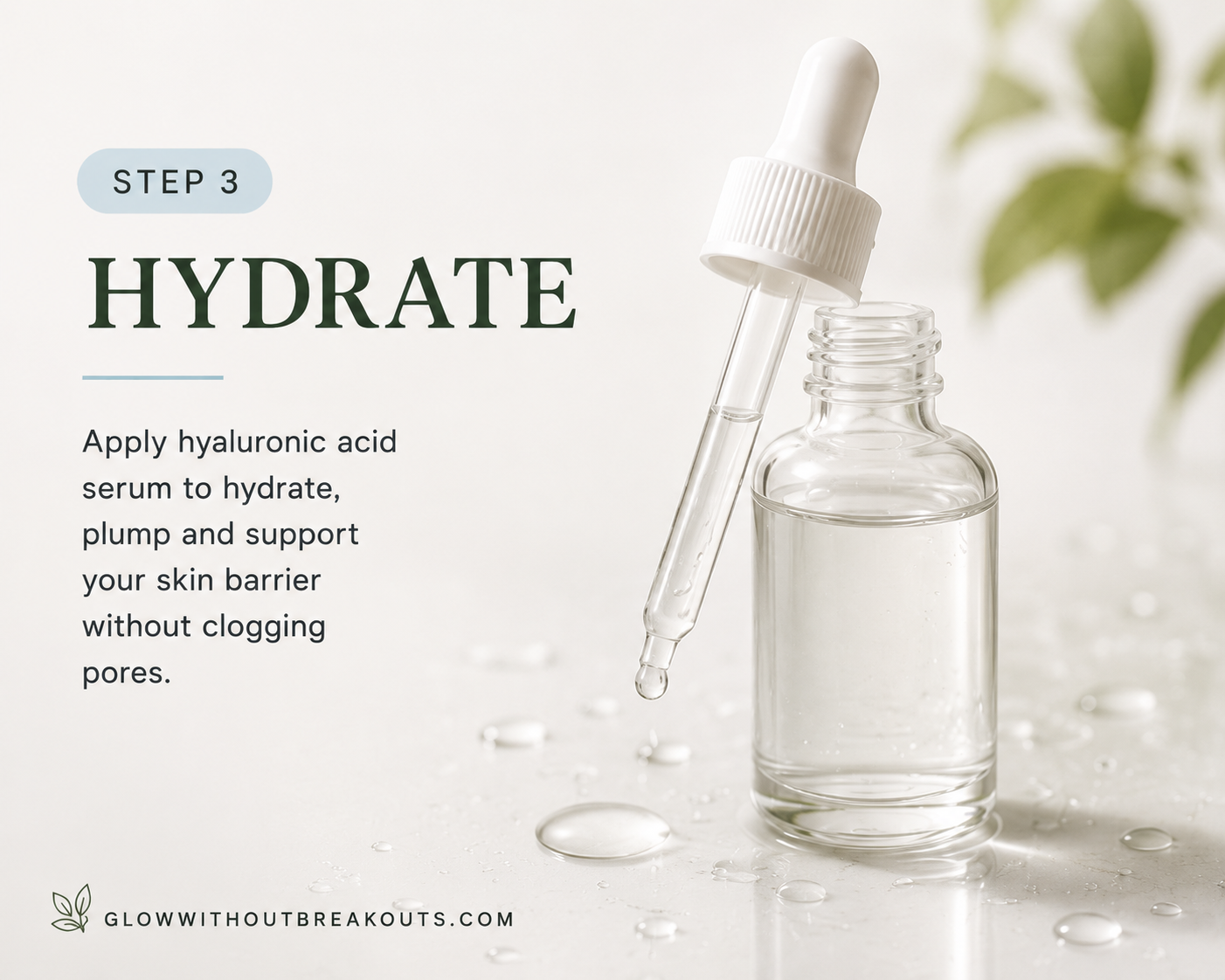
    Step 3: Hyaluronic Acid Serum for Lightweight Glow

    Step 3 Hydrate: Apply hyaluronic acid serum in your summer skincare routine for acne prone skin.

    Hyaluronic acid is the one serum that works for every acne-prone skin type in summer. It pulls moisture into the skin without adding any oil, which means you get that plump glowy look without the greasiness. If you have been skipping serum in summer because everything felt too heavy, hyaluronic acid is the answer. It is water-based, weightless, and completely non-comedogenic, which makes it a perfect fit for a summer skincare routine for acne prone skin.

    The The Ordinary Hyaluronic Acid 2% + B5 | The Ordinary Official Site is one of the most affordable options that genuinely delivers. The 2% HA pulls hydration from the air into your skin and the added B5 helps repair any barrier damage from summer sun and sweat. Apply a few drops on top of your essence and press it in before it fully dries.

    If you want something with a slightly richer feel, the The Inkey List Hyaluronic Acid Serum | The Inkey List Official Site is another solid pick at a similar price point. Both are lightweight enough for humid summer days and both work beautifully for acne-prone skin that needs hydration without congestion.

    💡 Pro Tip: Apply hyaluronic acid on slightly damp skin — it needs some water present to pull moisture into your skin. If you apply it on completely dry skin it can actually pull moisture out instead. A light spritz of your hydrating mist on the skin first makes a real difference.

    🛒 Shop Step 3: Hyaluronic Acid Serums
    The Ordinary Hyaluronic Acid 2% + B5
    The Inkey List Hyaluronic Acid Serum

    Related reading

    5 Critical Mistakes That Shattered Your Skin Barrier

    Read the post →

    Step 4: Moisturizer and SPF — How to Choose in Summer

    Step 4 Moisturize and Protect: Lock in moisture and never skip SPF in your summer skincare routine.

    SPF is non-negotiable in your summer skincare routine for acne prone skin. Sun exposure makes post-acne dark marks significantly darker, slows down skin healing, and breaks down the actives you are using to clear your skin. Skipping SPF in summer is one of the most counterproductive things you can do for acne-prone skin: you are undoing all the work your other products are doing. The question is not whether to wear SPF, it is whether to use a 2-in-1 SPF moisturizer or keep them separate.

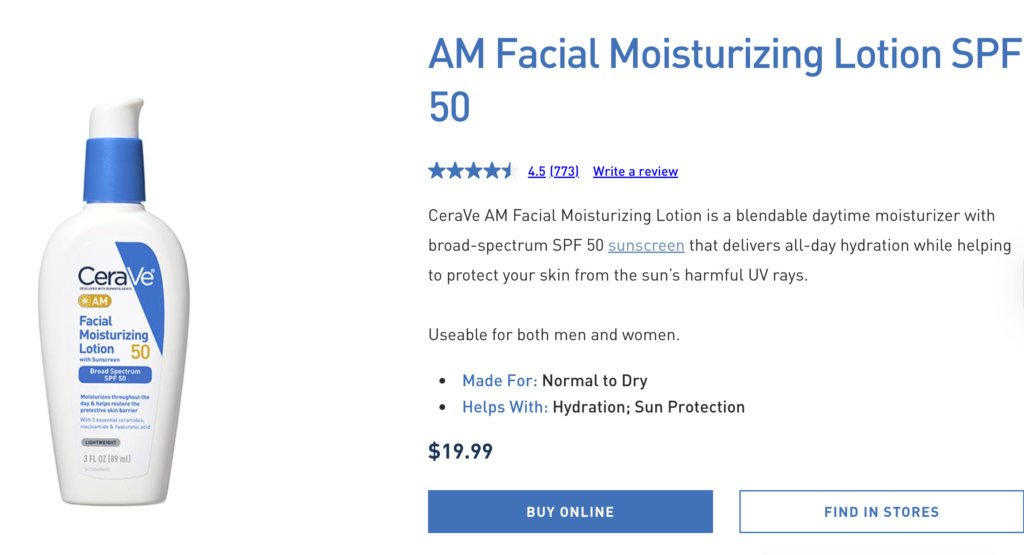
    Option A, The 2-in-1: The CeraVe AM Facial Moisturizing Lotion SPF 50 | CeraVe Official Site is the easiest summer option. One step covers both hydration and sun protection. It has a dewy finish that looks beautiful for glowy summer skin and it is non-comedogenic and ceramide-rich for barrier support. For oily skin that wants shine control, the Cetaphil DermaControl Oil Absorbing Moisturizer SPF 30 | Cetaphil Official Site gives you SPF 30 with a matte finish that controls shine all day.

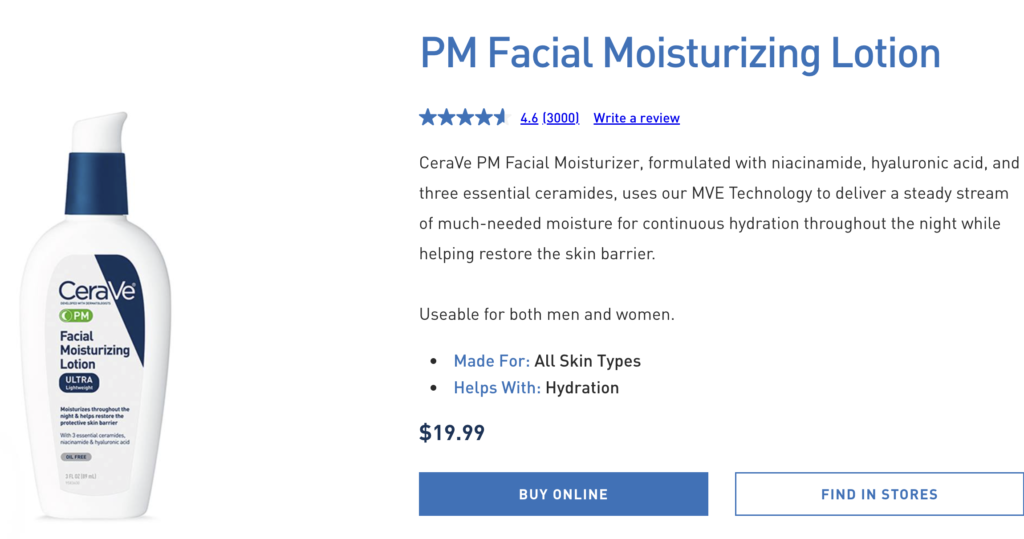
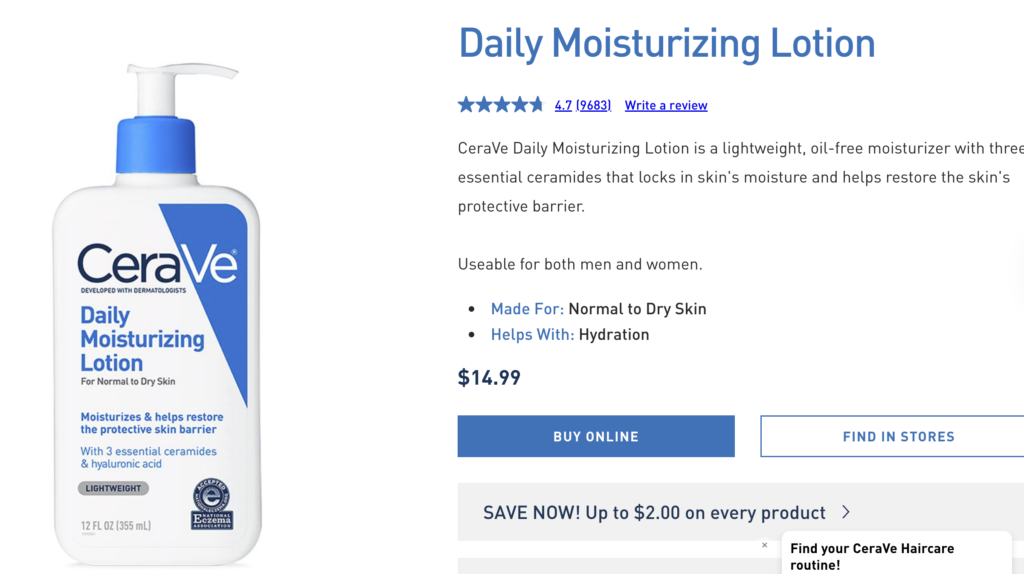
    Option B, Separate Products: If you want stronger SPF protection, pair a lightweight moisturizer like the CeraVe PM Facial Moisturizing Lotion or CeraVe Daily Moisturizing Lotion with a dedicated acne-safe SPF on top. The best options I have personally tested are the La Roche-Posay Anthelios Matte Fluid SPF 60 — my personal favorite for a truly matte finish that lasts all day — and the Hero Cosmetics Force Shield SPF 50 for a more affordable option specifically designed for acne-prone skin. If you prefer mineral sunscreen, the EltaMD UV Clear SPF 46 is the dermatologist favorite for sensitive acne-prone skin.

    💡 Pro Tip: In summer, less moisturizer is more. Your skin retains moisture better in humid conditions, so a thin layer of a lightweight moisturizer is all you need. Save the richer formulas for your PM routine and let your SPF do the heavy lifting in the morning.

    🛒 Shop Step 4: Moisturizer and SPF
    CeraVe AM Facial Moisturizing Lotion SPF 50 (2-in-1)
    Cetaphil DermaControl Oil Absorbing Moisturizer SPF 30 (oily skin)
    CeraVe PM Facial Moisturizing Lotion
    La Roche-Posay Anthelios Matte Fluid SPF 60
    Hero Cosmetics Force Shield Sunscreen SPF 50
    EltaMD UV Clear SPF 46 (mineral option)

    Related reading

    Best Sunscreen for Acne-Prone Skin: Non-Comedogenic Options That Won’t Cause Breakouts

    Read the post →

    Step 5: Hydrating Mist Throughout the Day

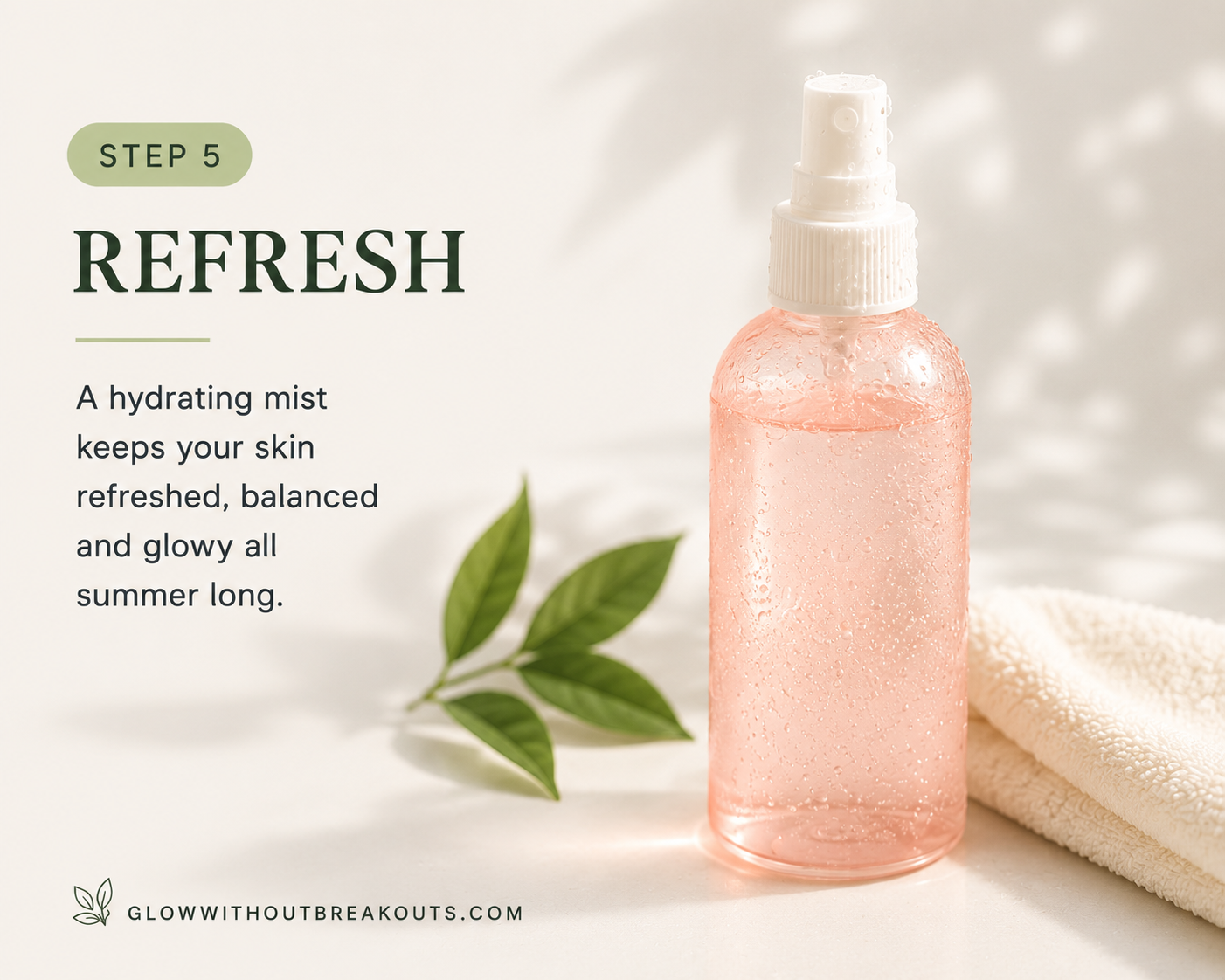
    Step 5 Refresh: Use a hydrating mist throughout the day in your summer skincare routine for acne prone skin.

    This is the step most people skip and the one that makes the biggest visible difference in summer. Your skin loses hydration throughout the day through sweat and heat exposure, which is why that fresh glowy look from your morning routine fades by noon. A hydrating mist throughout the day keeps your skin looking dewy and fresh even when summer is working against you. It is also one of the most satisfying steps in a summer skincare routine for acne prone skin: a quick spritz whenever your skin feels tight or dull and you instantly look more awake and hydrated.

    The The Inkey List Hydro Surge Face Mist | The Inkey List Official Site is my personal pick and one I genuinely keep on my desk every summer. It gives the most beautiful glow mid-afternoon without any stickiness and it never breaks me out. It is lightweight, fast-absorbing, and works on top of makeup which means you can use it any time without disrupting your routine.

    💬 My Review: I keep The Inkey List Hydro Surge Face Mist at my desk all summer. A couple of spritzes at noon and my skin goes from looking flat and tired to visibly hydrated and glowy. It never feels sticky, never breaks me out, and it layers perfectly over SPF and makeup. It has become the most-used product in my summer skincare routine for acne prone skin and I genuinely do not know how I survived summer without it.

    Hold the mist about 8-10 inches from your face and spritz in a circular motion for even coverage. Let it absorb naturally rather than rubbing it in. Use it as many times throughout the day as your skin needs — it will not clog pores or cause breakouts.

    💡 Pro Tip: Keep your hydrating mist in the fridge for an even more refreshing feel on hot days. Cold mist on warm skin feels incredible in summer and the cooling effect also helps calm any redness or inflammation from heat exposure.

    🛒 Shop Step 5: Hydrating Mist
    The Inkey List Hydro Surge Face Mist

    Your Complete Summer Skincare Routine at a Glance

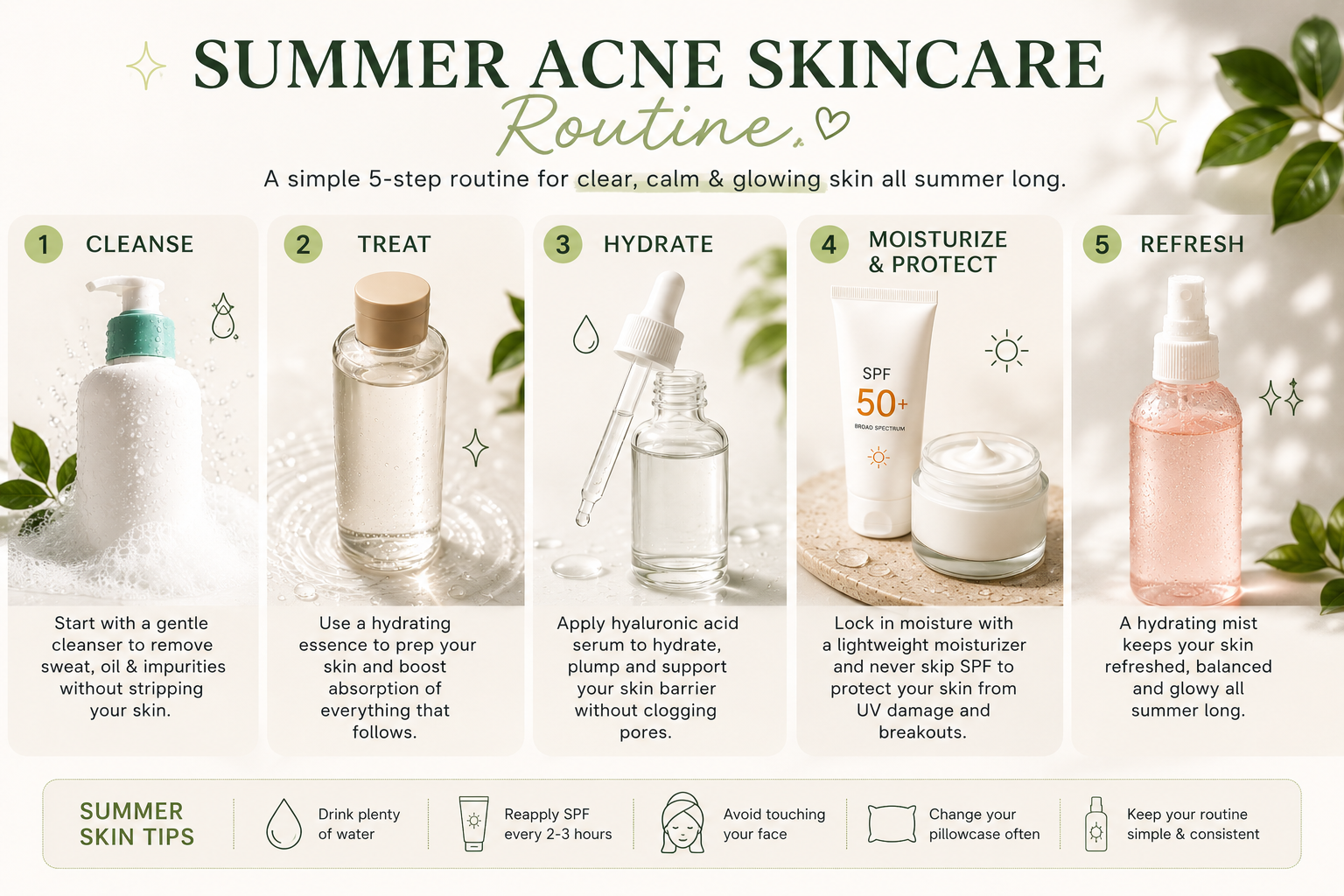
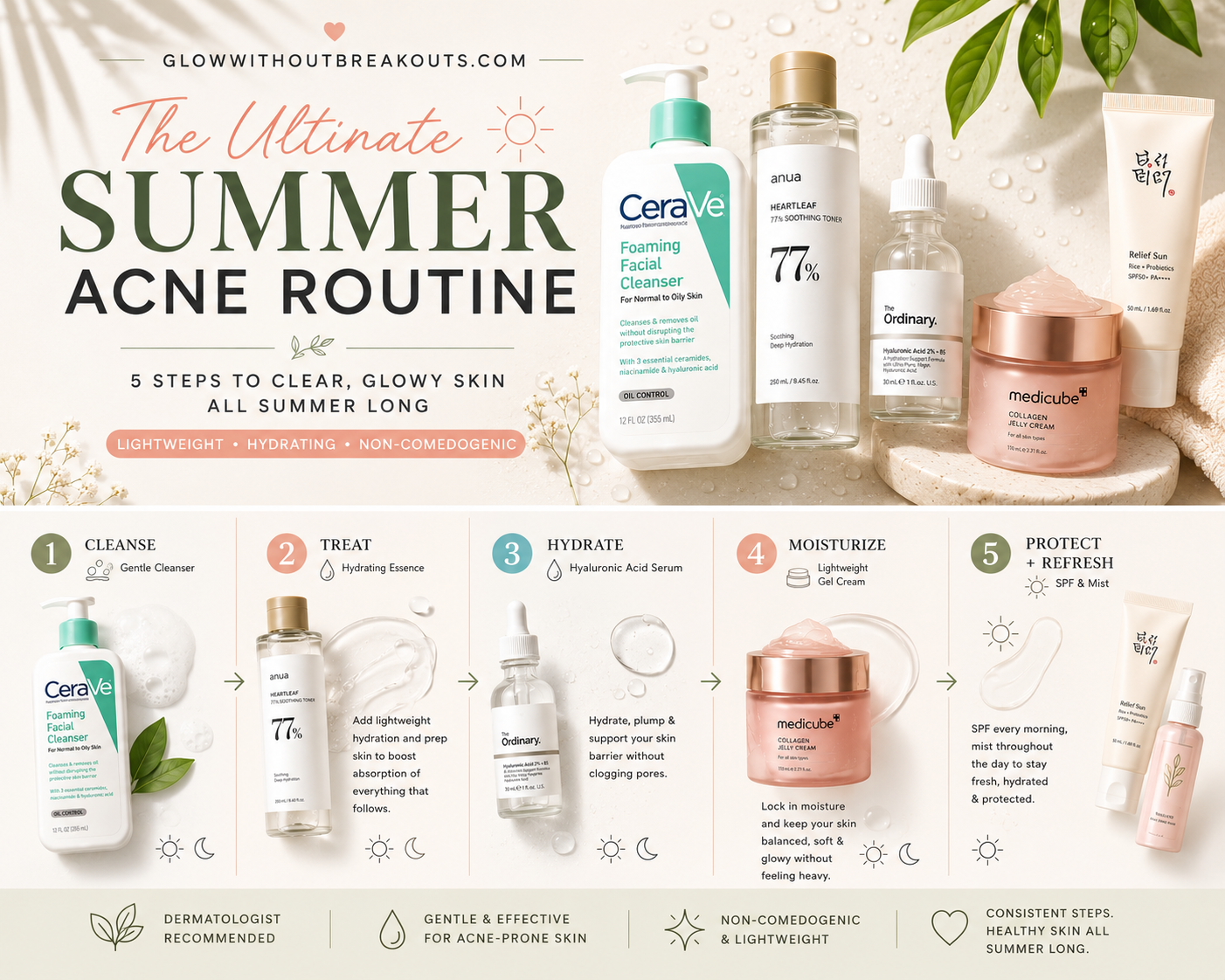
    Summer acne skincare routine at a glance infographic showing AM and PM summer skincare routine steps for acne prone skin.

    Here is your full summer skincare routine for acne prone skin in order. Morning and evening together take under 5 minutes once you get the hang of it.

    ☀️ AM Summer Skincare Routine

    Step 1, Cleanse: Cetaphil Daily Facial Cleanser, Beplain Mung Bean Cleanser (sensitive skin), or CeraVe Foaming Facial Cleanser (oily skin)

    Step 2, Essence: The Ordinary Multi-Active Delivery Essence, pressed into damp skin

    Step 3, Serum: The Ordinary Hyaluronic Acid 2% + B5 or The Inkey List HA Serum

    Step 4, Moisturize and SPF: CeraVe AM SPF 50 as a 2-in-1, or lightweight moisturizer with La Roche-Posay Anthelios SPF 60, Hero Cosmetics SPF 50, or EltaMD UV Clear SPF 46

    Throughout the day, Mist: The Inkey List Hydro Surge Face Mist as needed

    🌙 PM Summer Skincare Routine

    Step 1, Cleanse: Cetaphil Daily Facial Cleanser or Cetaphil Gentle Clear Clarifying Cleanser 2-3x per week if breaking out, or Paula’s Choice RESIST if you want active BHA treatment

    Step 2, Essence: The Ordinary Multi-Active Delivery Essence

    Step 3, Serum: The Ordinary Hyaluronic Acid 2% + B5 or The Inkey List HA Serum

    Step 4, Moisturize: CeraVe PM Facial Moisturizing Lotion or CeraVe Daily Moisturizing Lotion


    More From GlowWithoutBreakouts

    GWB Skin Quiz

    Still not sure which summer skincare routine is right for your skin type?

    Take the free 9-question quiz and get matched to your routine.

    Take the GWB Skin Quiz →

    Stop Guessing: 3 Routines Based on Your Acne Skin Type
    7 Brutal Rounds: CeraVe vs Cetaphil — Advice From the Lab Rat
    Best Sunscreen for Acne-Prone Skin
    Best Cleansers for Acne-Prone Skin: Tested & Ranked
    5 Critical Mistakes That Shattered Your Skin Barrier
    Over-Exfoliation Recovery: How to Fix Damaged Skin
    7+ Powerful Habits That Actually Prevent Breakouts
    3 Powerful Ways to Make a Pimple Go Away Fast
    Does Stress Really Cause Acne?
    Best Pillowcase for Acne-Prone Skin
    The Worst Skincare Mistake I Made


    Disclaimer: This post contains affiliate links. If you purchase through these links, I may earn a small commission at no extra cost to you. All opinions are 100% my own and based on personal experience and honest research. This is not medical advice, please consult a dermatologist for persistent acne concerns.
  • Stop Guessing: 3 Routines Based on Your Acne Skin Type

    Stop Guessing: 3 Routines Based on Your Acne Skin Type

    GlowWithoutBreakouts.com • Routines Based on Your Acne Skin Type • Updated 2026

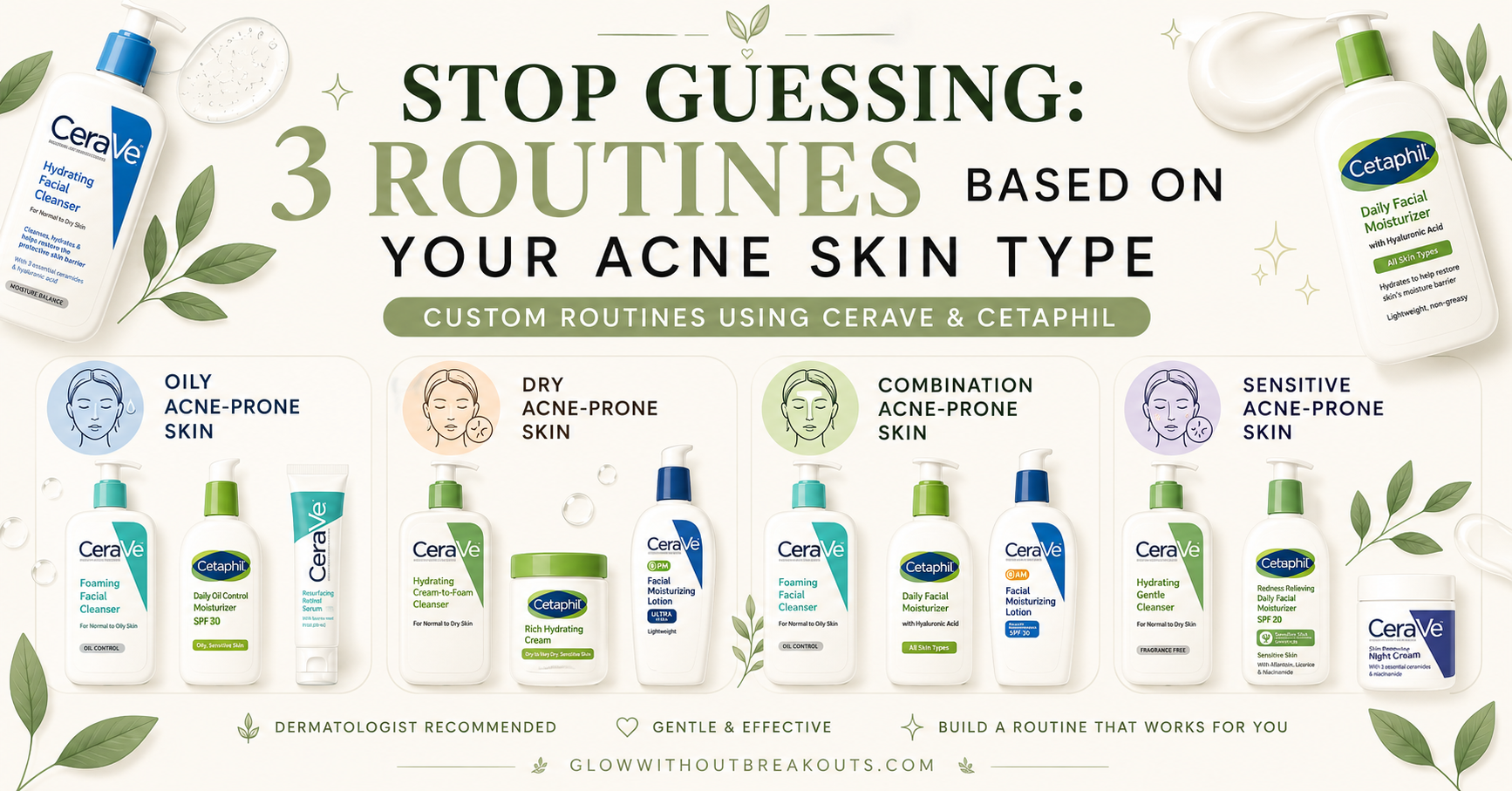
    If you’ve ever bought a cleanser that worked for your friend and completely broke you out, this post is for you. These are routines based on your acne skin type, not a generic one-size-fits-all list. Building a skincare routine for acne-prone skin isn’t just about finding good products: it’s about finding the right products for YOUR specific skin type. What clears oily skin can destroy dry skin, and what soothes sensitive skin won’t touch an oily breakout zone.

    These routines aren’t pulled from a marketing brochure, they’re built from real experience, real money spent, and real results. Each skin type gets 3 routines based on your acne skin type so you can choose based on where your skin is right now.

    GWB Skin Quiz

    Not sure what skin type you have?

    Take the free 9-question quiz and find out in under 2 minutes.

    Take the GWB Skin Quiz →

    These are routines based on your acne skin type, built from years of personal testing with real money spent. Before you start, it helps to know exactly which products work best for each routine.

    Start here

    7 Brutal Rounds: CeraVe vs Cetaphil — Advice From the Lab Rat

    Read the post →

    Also helpful

    Best Cleansers for Acne-Prone Skin: Tested & Ranked

    Read the post →


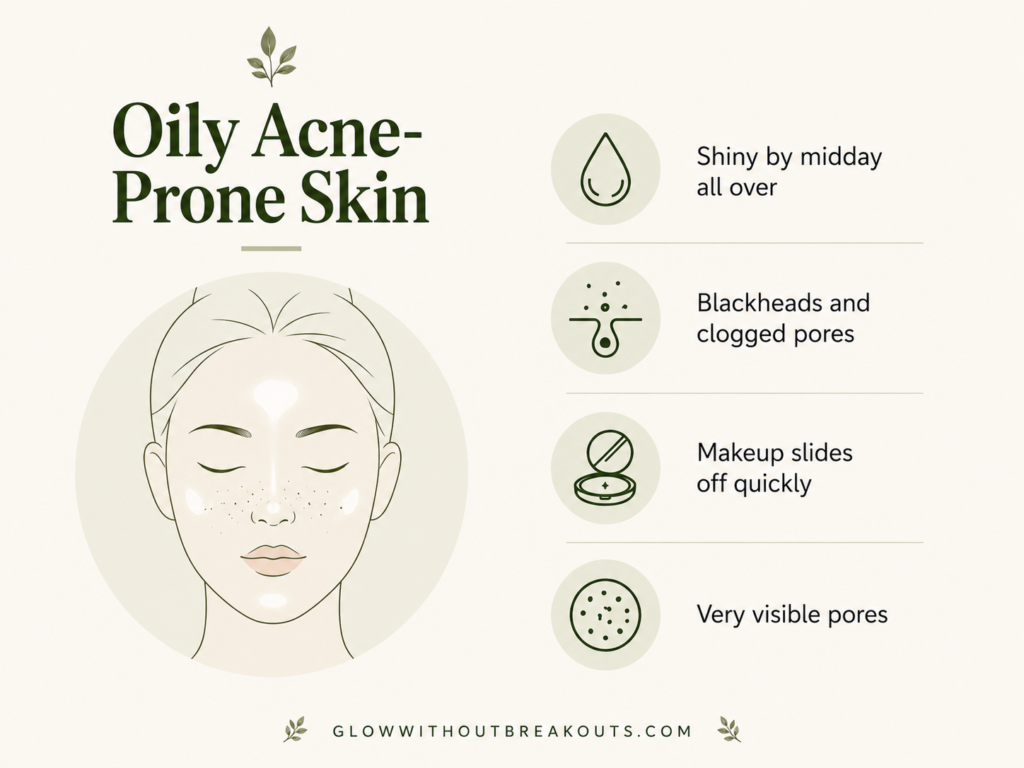
    🛢️ Oily Acne-Prone Skin Routines

    If oily is your skin type, these are the routines based on your acne skin type that will actually make a difference. Oily skin does best with foaming or gel cleansers that cut through sebum without stripping your barrier. Pair that with a lightweight lotion or gel moisturizer, and skip the heavy creams entirely: they’ll just sit on top and clog things up. For actives, salicylic acid is your daily go-to for keeping pores clear, and benzoyl peroxide is your heavy hitter when breakouts get serious. Anything with a mattifying or oil-absorbing finish is a major bonus for daytime.

    Related reading

    Best Cleansers for Acne-Prone Skin: Tested & Ranked

    Read the post →

    Routine 1: Best for Active Breakouts 🔥

    When your skin is in full breakout mode and you need to see results fast, this is the routine. It leans on the strongest actives from both brands: the key is rotating them so your skin gets the clearing power without getting overwhelmed.

    ☀️ Morning Routine
    1
    CleanseCeraVe Foaming Facial Cleanser — removes overnight oil buildup without stripping
    2
    TreatCeraVe Acne Control Gel — apply on clean dry skin before moisturizer, 2% SA + AHA/BHA
    3
    Moisturize + SPFCeraVe AM Facial Moisturizing Lotion SPF 50 — lightweight SPF in one step
    🌙 Evening Routine
    1
    Cleanse (2-3x/week)CeraVe Acne Foaming Cream Wash 10% BPO — highest OTC BPO available, max 2-3x/week
    2
    Cleanse (other nights)CeraVe Foaming Facial Cleanser — on nights you skip BPO
    3
    MoisturizeCetaphil Gentle Clear Mattifying Acne Moisturizer — 0.5% SA + matte finish, treats while you sleep
    4
    Spot treatCeraVe Blemish Barrier Patches — hydrocolloid patches over active pimples after moisturizer
    🛒 Shop This Routine
    CeraVe Foaming Facial Cleanser
    CeraVe Acne Control Gel
    CeraVe AM Facial Moisturizing Lotion SPF 50
    CeraVe Acne Foaming Cream Wash 10% BPO
    Cetaphil Gentle Clear Mattifying Acne Moisturizer
    CeraVe Blemish Barrier Patches

    💡 Pro Tip: Never use the 10% BPO wash more than once per 24 hours, night use only. Start 2x per week and increase slowly, always follow with moisturizer: even oily skin needs hydration or it overcompensates with more oil.

    Related reading

    Best Ways to Make a Pimple Go Away Fast

    Read the post →

    Routine 2: Best for Daily Prevention & Maintenance 🌿

    Once your skin is mostly clear, the last thing you want to do is keep hammering it with strong actives. This routine is gentler, designed to maintain that clear skin and prevent new breakouts without the intensity of Routine 1.

    ☀️ Morning Routine
    1
    CleanseCeraVe Foaming Facial Cleanser
    2
    Moisturize + SPFCetaphil DermaControl Oil Absorbing Moisturizer SPF 30 — controls shine all day with built-in SPF 30
    🌙 Evening Routine
    1
    CleanseCetaphil Gentle Clear Clarifying Acne Cream Cleanser — 2% SA with soothing aloe
    2
    Exfoliate (2x/week only)Cetaphil Gentle Exfoliating SA Face Lotion — thin layer on clean dry skin, wait 2 mins, then moisturize
    3
    MoisturizeCetaphil Gentle Clear Mattifying Acne Moisturizer
    🛒 Shop This Routine
    CeraVe Foaming Facial Cleanser
    Cetaphil DermaControl Oil Absorbing Moisturizer SPF 30
    Cetaphil Gentle Clear Clarifying Acne Cream Cleanser
    Cetaphil Gentle Exfoliating SA Face Lotion
    Cetaphil Gentle Clear Mattifying Acne Moisturizer

    💡 Pro Tip: On nights you use the SA exfoliating lotion, skip the Clarifying Cleanser: never layer two SA products in the same routine. Alternate nights to keep your barrier healthy and avoid over-exfoliation.

    Related reading

    5 Critical Mistakes That Shattered Your Skin Barrier

    Read the post →

    Routine 3: Best Budget Routine 💰

    You don’t need to spend a fortune to get real results. This is the most affordable combination of products that still actually works for oily acne-prone skin, and it costs less than most single luxury skincare products.

    ☀️ Morning Routine
    1
    CleanseCetaphil Daily Facial Cleanser — ~$13.99 for 16oz, best value cleanser on this list
    2
    Moisturize + SPFCeraVe AM Facial Moisturizing Lotion SPF 50 — saves money combining moisturizer and SPF
    🌙 Evening Routine
    1
    CleanseCetaphil Daily Facial Cleanser
    2
    MoisturizeCeraVe PM Facial Moisturizing Lotion — ceramides + niacinamide overnight for under $20
    3
    Spot treatCetaphil Fast Rescue Pimple Patches — budget pick, a few dollars cheaper than CeraVe patches

    💰 Budget Breakdown

    • Cetaphil Daily Facial Cleanser 16oz: ~$13.99 — lasts 3-4 months
    • CeraVe AM Facial Moisturizing Lotion SPF 50 3oz: ~$19.99 — lasts 2-3 months
    • CeraVe PM Facial Moisturizing Lotion 3oz: ~$19.99 — lasts 2-3 months
    • Cetaphil Fast Rescue Pimple Patches 24ct: ~$8.99 — lasts 1-2 months

    Total: ~$62.96 | ~$20-25/month

    🛒 Shop This Routine
    Cetaphil Daily Facial Cleanser
    CeraVe AM Facial Moisturizing Lotion SPF 50
    CeraVe PM Facial Moisturizing Lotion
    Cetaphil Fast Rescue Pimple Patches

    💡 Pro Tip: This 4-product budget routine costs under $65 total and each product lasts 2-4 months, less than most single luxury skincare products. Start here if you’re new to building a routine and want to see results before investing more.

    Related reading

    8 Best Tips to Prevent Breakouts and Acne

    Read the post →


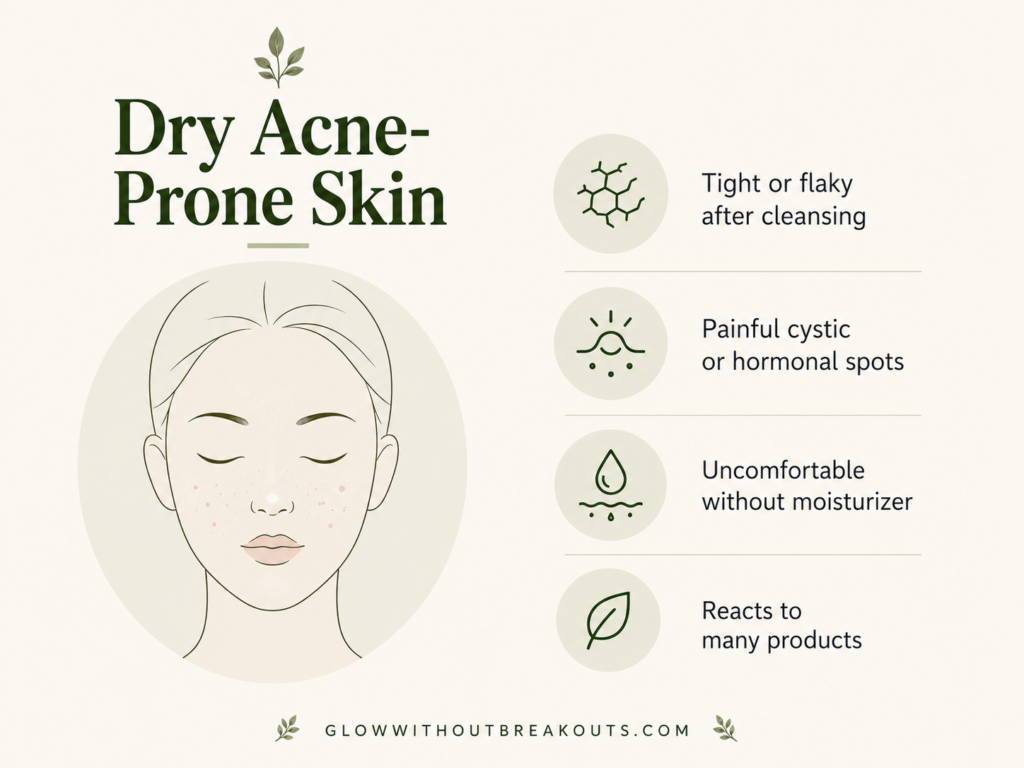
    💧 Dry Acne-Prone Skin Routines

    Dry acne-prone skin is one of the most misunderstood types. These routines based on your acne skin type are specifically designed to hydrate and clear at the same time. For dry acne-prone skin, your cleanser needs to be as gentle as possible: non-foaming or creamy formulas that clean without stripping a single drop of moisture. Follow that with a rich ceramide-based moisturizer that actually rebuilds your barrier. When it comes to actives, go low and slow, meaning low concentrations, one product at a time, never stacking. And if you’re using retinol, the moisturizer sandwich method is non-negotiable for dry skin.

    Related reading

    The Worst Skincare Mistake I Made: And How to Repair Your Barrier

    Read the post →

    Routine 1: Best for Active Breakouts 🔥

    The challenge with dry acne-prone skin is that most acne-fighting products are too stripping. This routine targets active breakouts while keeping your moisture levels up, because without hydration, nothing else you put on your skin will work the way it should.

    ☀️ Morning Routine
    1
    CleanseCetaphil Daily Facial Cleanser — non-stripping, barrier-safe, perfect for dry skin mornings
    2
    MoisturizeCeraVe Daily Moisturizing Lotion — three ceramides restore the barrier without clogging pores
    3
    SPFApply a separate acne-safe sunscreen, see our top sunscreen picks here
    🌙 Evening Routine
    1
    CleanseCetaphil Gentle Clear Clarifying Acne Cream Cleanser — 2% SA with aloe and white tea, clears without drying
    2
    Treat (spots only)CeraVe Acne Control Gel — apply ONLY on active spots on clean dry skin before moisturizer
    3
    MoisturizeCeraVe PM Facial Moisturizing Lotion — niacinamide and ceramides repair your barrier overnight
    4
    PatchesCeraVe Blemish Barrier Patches over active spots
    🛒 Shop This Routine
    Cetaphil Daily Facial Cleanser
    CeraVe Daily Moisturizing Lotion
    Cetaphil Gentle Clear Clarifying Acne Cream Cleanser
    CeraVe Acne Control Gel
    CeraVe PM Facial Moisturizing Lotion
    CeraVe Blemish Barrier Patches

    💡 Pro Tip: For dry skin, avoid the 10% BPO wash: it is too stripping. Stick to the 2% SA cleanser and spot treat only with the Acne Control Gel. If your skin still feels tight after cleansing, switch to the Cetaphil Daily Cleanser for PM too.

    Routine 2: Best for Daily Prevention & Maintenance 🌿

    This is your maintenance mode, the routine you settle into once things are mostly calm. No harsh actives, just consistent barrier support and gentle exfoliation that keeps skin clear without undoing all the hydration work you’ve been putting in.

    ☀️ Morning Routine
    1
    CleanseCetaphil Daily Facial Cleanser
    2
    Moisturize + SPFCeraVe AM Facial Moisturizing Lotion SPF 50 — dewy hydrating finish, great for dry skin
    🌙 Evening Routine
    1
    CleanseCetaphil Daily Facial Cleanser
    2
    Exfoliate (2x/week only)Cetaphil Gentle Exfoliating SA Face Lotion — triple acid blend, gentlest exfoliant on this list. Apply thin layer, wait 2 mins, then moisturize
    3
    MoisturizeCeraVe PM Facial Moisturizing Lotion
    🛒 Shop This Routine
    Cetaphil Daily Facial Cleanser
    CeraVe AM Facial Moisturizing Lotion SPF 50
    Cetaphil Gentle Exfoliating SA Face Lotion
    CeraVe PM Facial Moisturizing Lotion

    💡 Pro Tip: For dry skin, 2x per week exfoliation is the absolute max. On exfoliation nights make your moisturizer layer extra generous to compensate. Wake up and your skin will feel smooth and balanced without that tight uncomfortable feeling.

    Related reading

    Over-Exfoliation Recovery: How to Fix Damaged Skin

    Read the post →

    Routine 3: Best for Post-Acne Marks & Texture ✨

    Once your breakouts are under control, the thing that bothers most people is what’s left behind: dark marks, uneven texture, dullness. This is where retinol comes in: it’s the most powerful tool for post-acne skin, but for dry skin especially you have to introduce it carefully. The sandwich method is everything here.

    ☀️ Morning Routine
    1
    CleanseCetaphil Daily Facial Cleanser
    2
    MoisturizeCeraVe Daily Moisturizing Lotion
    3
    SPFAlways, retinol makes your skin significantly more sun sensitive. See our best sunscreen picks
    🌙 Evening Routine
    1
    CleanseCetaphil Daily Facial Cleanser
    2
    Moisturize (first layer)CeraVe PM Facial Moisturizing Lotion — thin layer to buffer the retinol
    3
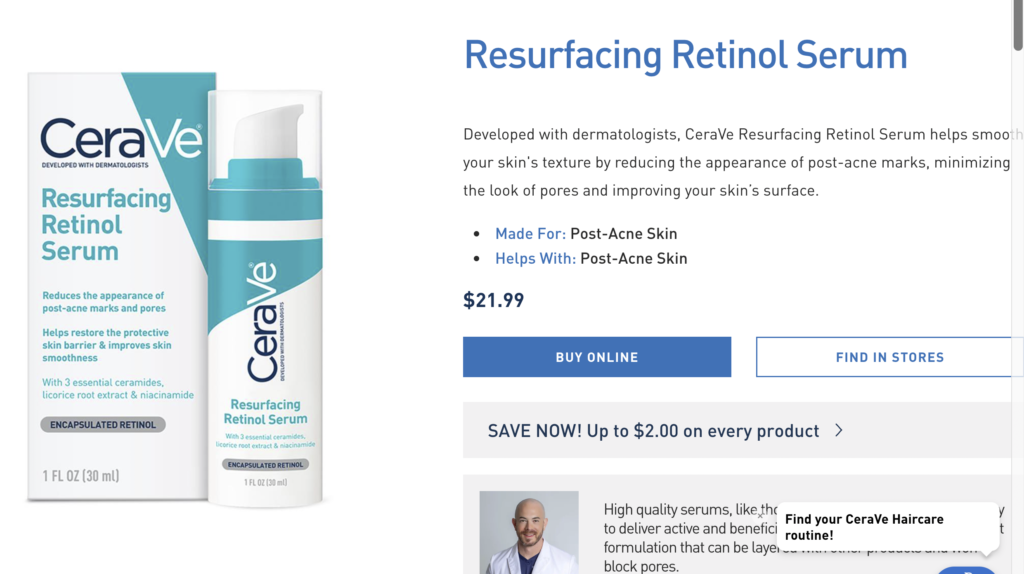
    Retinol (2-3x/week)CeraVe Resurfacing Retinol Serum — encapsulated retinol + ceramides + licorice root fades marks
    4
    Moisturize (second layer)CeraVe PM Facial Moisturizing Lotion — seal the retinol in
    🛒 Shop This Routine
    Cetaphil Daily Facial Cleanser
    CeraVe Daily Moisturizing Lotion
    CeraVe PM Facial Moisturizing Lotion
    CeraVe Resurfacing Retinol Serum

    💡 Pro Tip: This is the moisturizer sandwich method: moisturizer, retinol, moisturizer. It buffers the retinol so dry sensitive skin can actually tolerate it without irritation. I didn’t like this serum the first time I used it but once I used the sandwich method my skin completely changed after a couple of months. Start 2x per week only.

    💰 Budget Breakdown (Post-Acne Marks)

    • Cetaphil Daily Facial Cleanser 16oz: ~$13.99 — lasts 3-4 months
    • CeraVe Daily Moisturizing Lotion 12oz: ~$14.99 — lasts 3-4 months
    • CeraVe AM Facial Moisturizing Lotion SPF 50 3oz: ~$19.99 — lasts 2-3 months
    • CeraVe PM Facial Moisturizing Lotion 3oz: ~$19.99 — lasts 2-3 months
    • CeraVe Resurfacing Retinol Serum 1oz: ~$21.99 — lasts 3-4 months (used 2-3x/week)

    Total: ~$90.95 | ~$22-30/month


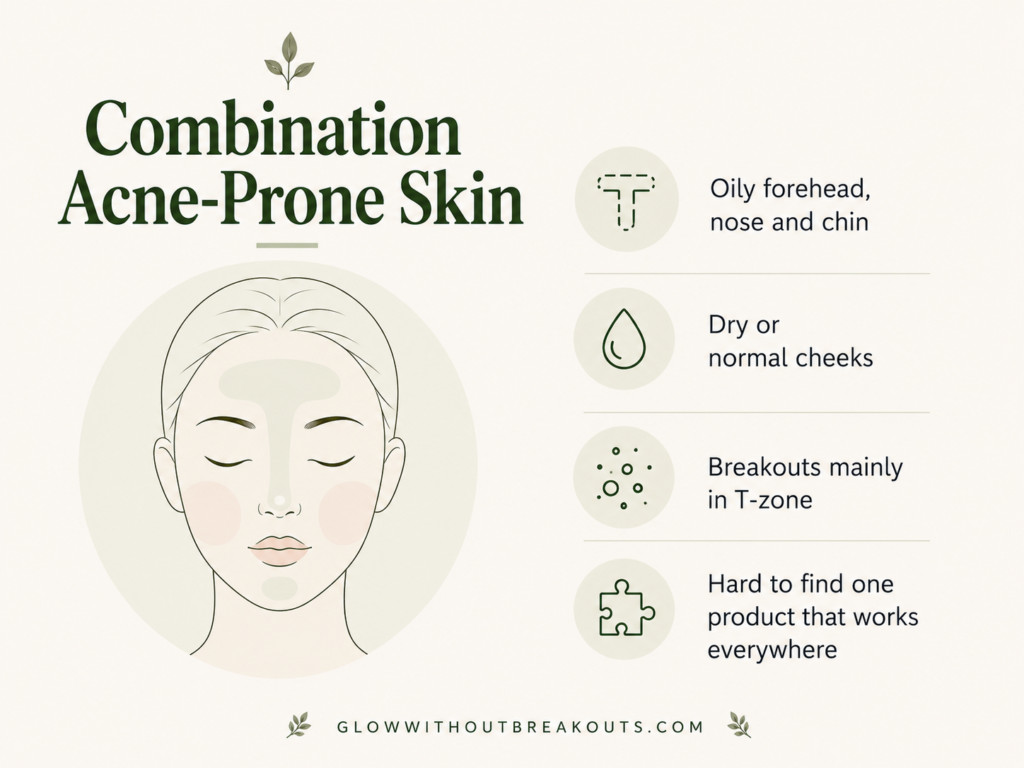
    ⚖️ Combination Acne-Prone Skin Routines

    Combination skin needs a zoned approach. These routines based on your acne skin type treat your T-zone and cheeks as two separate areas that need two different levels of attention. Combination acne-prone skin is tricky because you’re essentially dealing with two different skin types on one face. The products that clear your T-zone can dry out your cheeks, and the products that hydrate your cheeks can make your T-zone break out. The key is simple: stop treating your whole face as one skin type and start treating it in zones.

    Related reading

    Does Stress Really Cause Acne? Here’s What the Science Says

    Read the post →

    Routine 1: Best for Active Breakouts 🔥

    When your T-zone is clogged and actively breaking out, this is the routine. It puts the strong actives exactly where you need them, forehead, nose, chin, while leaving your drier areas alone. Zone application is everything for combination skin.

    ☀️ Morning Routine
    1
    CleanseCeraVe Foaming Facial Cleanser — balances oily areas without drying cheeks
    2
    Treat (T-zone only)CeraVe Acne Control Gel — apply ONLY on forehead, nose, chin on clean dry skin
    3
    MoisturizeCeraVe PM Facial Moisturizing Lotion — lightweight for T-zone, hydrating for cheeks
    4
    SPFCeraVe AM Facial Moisturizing Lotion SPF 50
    🌙 Evening Routine
    1
    Cleanse (2x/week)CeraVe Acne Foaming Cream Wash 10% BPO — focus lather on T-zone, rinse quickly off cheeks
    2
    Cleanse (other nights)CeraVe Foaming Facial Cleanser
    3
    MoisturizeCeraVe PM Facial Moisturizing Lotion all over, extra layer on dry cheeks if needed
    4
    PatchesCeraVe Blemish Barrier Patches on active spots overnight
    🛒 Shop This Routine
    CeraVe Foaming Facial Cleanser
    CeraVe Acne Control Gel
    CeraVe PM Facial Moisturizing Lotion
    CeraVe AM Facial Moisturizing Lotion SPF 50
    CeraVe Acne Foaming Cream Wash 10% BPO
    CeraVe Blemish Barrier Patches

    💡 Pro Tip: Zone your application: stronger actives like BPO and the Acne Control Gel go on the T-zone only. Your cheeks get the moisturizer treatment. Think of your face as two different skin types that need different amounts of attention.

    Routine 2: Best for Daily Prevention & Maintenance 🌿

    This is the routine you can actually stick to daily without feeling like you need a skincare PhD to apply it. It keeps your T-zone clear and your cheeks comfortable, without requiring you to use completely different products on different zones every single night.

    ☀️ Morning Routine
    1
    CleanseCeraVe Foaming Facial Cleanser
    2
    Moisturize + SPFCetaphil DermaControl Oil Absorbing Moisturizer SPF 30 — controls T-zone shine all day
    🌙 Evening Routine
    1
    CleanseCetaphil Gentle Clear Clarifying Acne Cream Cleanser — 2% SA with aloe, gentle enough for daily use
    2
    Exfoliate T-zone (2x/week)Cetaphil Gentle Exfoliating SA Face Lotion — focus on T-zone only
    3
    MoisturizeCeraVe PM Facial Moisturizing Lotion
    🛒 Shop This Routine
    CeraVe Foaming Facial Cleanser
    Cetaphil DermaControl Oil Absorbing Moisturizer SPF 30
    Cetaphil Gentle Clear Clarifying Acne Cream Cleanser
    Cetaphil Gentle Exfoliating SA Face Lotion
    CeraVe PM Facial Moisturizing Lotion

    💡 Pro Tip: If your T-zone still feels oily after this routine, try applying the Cetaphil Mattifying Moisturizer on just your T-zone and the CeraVe PM Lotion on your cheeks. Double moisturizing by zone sounds like a lot, but it’s one of the best things you can do for true combination skin.

    Related reading

    Best Pillowcase for Acne-Prone Skin: What’s Actually Breaking You Out at Night

    Read the post →

    Routine 3: Best Budget Routine 💰

    This budget routine proves you don’t need to complicate combination skin. Three affordable products that cover both your oily and dry zones, and once you see results, you can build from here.

    ☀️ Morning Routine
    1
    CleanseCetaphil Daily Facial Cleanser — gentle for dry cheeks, effective for oily T-zone
    2
    Moisturize + SPFCeraVe AM Facial Moisturizing Lotion SPF 50
    🌙 Evening Routine
    1
    CleanseCetaphil Daily Facial Cleanser
    2
    MoisturizeCeraVe PM Facial Moisturizing Lotion
    3
    Spot treatCetaphil Fast Rescue Pimple Patches

    💰 Budget Breakdown

    • Cetaphil Daily Facial Cleanser 16oz: ~$13.99 — lasts 3-4 months
    • CeraVe AM Facial Moisturizing Lotion SPF 50 3oz: ~$19.99 — lasts 2-3 months
    • CeraVe PM Facial Moisturizing Lotion 3oz: ~$19.99 — lasts 2-3 months
    • Cetaphil Fast Rescue Pimple Patches 24ct: ~$8.99 — lasts 1-2 months

    Total: ~$62.96 | ~$20-25/month

    🛒 Shop This Routine
    Cetaphil Daily Facial Cleanser
    CeraVe AM Facial Moisturizing Lotion SPF 50
    CeraVe PM Facial Moisturizing Lotion
    Cetaphil Fast Rescue Pimple Patches

    💡 Pro Tip: Once you see results with this starter routine, add the CeraVe Acne Control Gel as your next purchase, apply it on your T-zone only on clean dry skin before moisturizer. It’s one of the most effective upgrades for combination acne-prone skin.


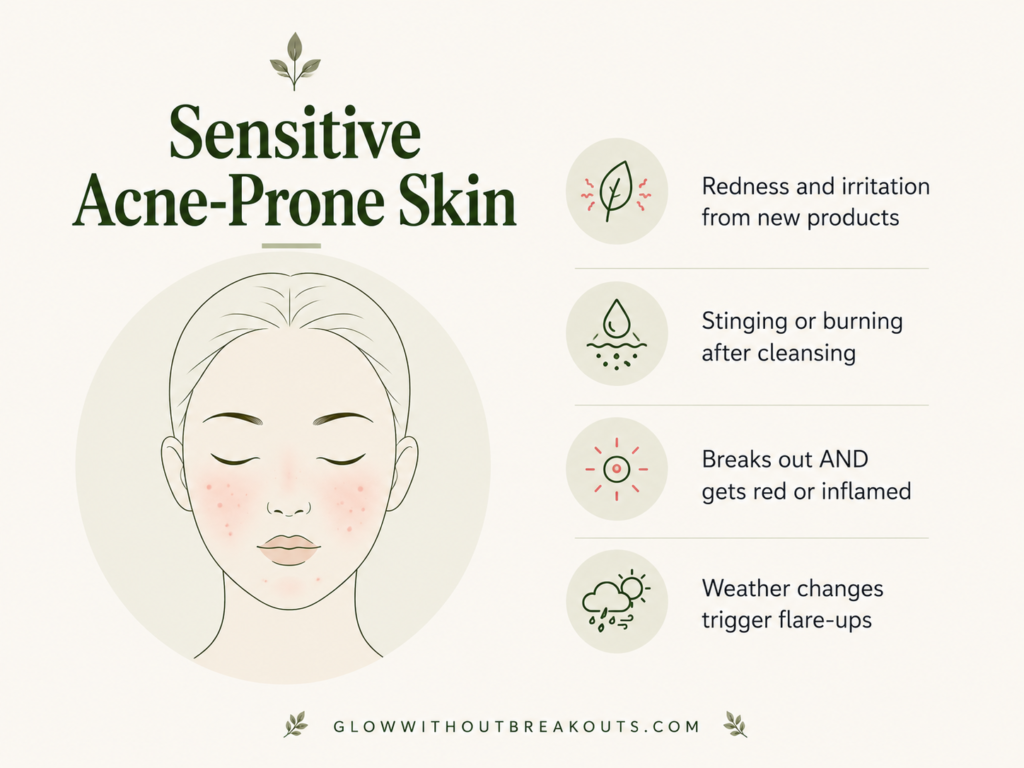
    🌸 Sensitive Acne-Prone Skin Routines

    Sensitive acne-prone skin needs the most careful approach of all. These routines based on your acne skin type use the gentlest actives available so your skin can clear without reacting. Sensitive acne-prone skin has one non-negotiable: everything has to be fragrance-free, dye-free, and as gentle as possible. From there, ceramide-rich products are your foundation. When you do introduce actives, start with the lowest concentration available and add only one new product every two weeks. Patience is the most important ingredient in this whole routine. Results take longer for sensitive skin but they absolutely come.

    Related reading

    The Worst Skincare Mistake I Made: Barrier Repair for Acne

    Read the post →

    Routine 1: Best for Active Breakouts 🔥

    This is for when you’re breaking out but every acne product you try makes things worse. Been there. This routine uses the gentlest possible actives to clear breakouts without triggering your sensitivity, and it keeps your barrier intact the whole time.

    ☀️ Morning Routine
    1
    CleanseCetaphil Daily Facial Cleanser — the gentlest cleanser on this list, no actives, just clean
    2
    MoisturizeCeraVe PM Facial Moisturizing Lotion — ceramides and niacinamide calm redness and protect the barrier
    3
    SPFMineral sunscreen, see our picks for sensitive acne-prone skin
    🌙 Evening Routine
    1
    CleanseCetaphil Gentle Clear Clarifying Acne Cream Cleanser — 2% SA with aloe and white tea
    2
    Treat (spot only)Cetaphil Gentle Clear Triple-Action Acne Serum — 0.5% SA, lowest concentration on the list
    3
    MoisturizeCeraVe PM Facial Moisturizing Lotion
    4
    PatchesCetaphil Fast Rescue Pimple Patches — calming and protective overnight
    🛒 Shop This Routine
    Cetaphil Daily Facial Cleanser
    CeraVe PM Facial Moisturizing Lotion
    Cetaphil Gentle Clear Clarifying Acne Cream Cleanser
    Cetaphil Gentle Clear Triple-Action Acne Serum
    Cetaphil Fast Rescue Pimple Patches

    💡 Pro Tip: For sensitive skin, NEVER introduce more than one new product at a time, wait at least 2 full weeks before adding anything new so you can identify what triggers a reaction. Patch test everything on your jawline for 3 days before applying all over your face.

    Routine 2: Best for Daily Prevention & Maintenance 🌿

    This is your everyday calm, the routine that keeps breakouts from forming while keeping your skin as comfortable and settled as possible. It’s the gentlest routine on this entire list, and also one of the most consistent performers for reactive skin over time.

    ☀️ Morning Routine
    1
    CleanseCetaphil Daily Facial Cleanser
    2
    MoisturizeCeraVe Daily Moisturizing Lotion — barrier repair without risk of clogging pores
    3
    SPFMineral sunscreen, essential for sensitive skin that can react to chemical UV filters
    🌙 Evening Routine
    1
    CleanseCetaphil Daily Facial Cleanser
    2
    Exfoliate (2x/week MAX)Cetaphil Gentle Exfoliating SA Face Lotion — very thin layer on clean dry skin, wait 2 mins, then moisturize immediately
    3
    MoisturizeCeraVe PM Facial Moisturizing Lotion
    🛒 Shop This Routine
    Cetaphil Daily Facial Cleanser
    CeraVe Daily Moisturizing Lotion
    Cetaphil Gentle Exfoliating SA Face Lotion
    CeraVe PM Facial Moisturizing Lotion

    💡 Pro Tip: If the SA exfoliating lotion feels too strong at first, use the reverse sandwich method, apply moisturizer first, then the lotion on top: this buffers the active even more. As your barrier strengthens over weeks, switch to the regular method of applying on clean dry skin first.

    Related reading

    Over-Exfoliation Recovery: How to Know If You’ve Gone Too Far

    Read the post →

    Routine 3: Best for Barrier Repair + Clearing 🛡️

    If your skin is tight, red, peeling, or losing its mind from previous harsh treatments, this routine is your reset button. I learned this the hard way: you cannot effectively treat acne on a damaged barrier. Repair first, treat second, always. Once your skin feels calm and normal again: then you add actives back in.

    ☀️ Morning Routine
    1
    CleanseCetaphil Daily Facial Cleanser — zero actives, zero stripping
    2
    MoisturizeCeraVe Daily Moisturizing Lotion — ceramides 1, 3, 6-II rebuild barrier from the inside out
    3
    SPFMineral SPF, protect the barrier you’re working so hard to rebuild
    🌙 Evening Routine
    1
    CleanseCetaphil Daily Facial Cleanser
    2
    MoisturizeCeraVe PM Facial Moisturizing Lotion — generous layer, let it fully absorb before sleeping
    3
    Extra support (if very dry)Second layer of CeraVe Daily Moisturizing Lotion over PM lotion
    🛒 Shop This Routine
    Cetaphil Daily Facial Cleanser
    CeraVe Daily Moisturizing Lotion
    CeraVe PM Facial Moisturizing Lotion

    💡 Pro Tip: When your barrier is damaged, stop ALL actives for at least 2 weeks: no exfoliants, no retinol, no BPO, no SA. Just cleanse and moisturize with ceramides until your skin stops feeling reactive, then reintroduce actives one at a time starting with the very gentlest options only.

    Read next

    The Worst Skincare Mistake I Made: And How It Took 7 Years to Fix

    Read the post →

    💰 Budget Breakdown (Barrier Repair)

    • Cetaphil Daily Facial Cleanser 16oz: ~$13.99 — lasts 3-4 months
    • CeraVe Daily Moisturizing Lotion 12oz: ~$14.99 — lasts 3-4 months
    • CeraVe PM Facial Moisturizing Lotion 3oz: ~$19.99 — lasts 2-3 months

    Total: ~$48.97 | ~$13-17/month

    Most affordable routine on the entire list — and one of the most effective for damaged sensitive skin.


    📋 Quick Reference: All 12 Routines at a Glance

    All 12 routines based on your acne skin type in one place. Find your skin type below and jump back up for the full details, pro tips, and shop bundles.

    🛢️Oily Acne-Prone Skin
    🔥 Active BreakoutsCeraVe Foaming + Acne Control Gel + AM SPF (AM) / CeraVe BPO Wash + Cetaphil Mattifying + Patches (PM)
    🌿 PreventionCeraVe Foaming + Cetaphil DermaControl SPF (AM) / Cetaphil Clarifying + SA Lotion + Mattifying (PM)
    💰 Budget ~$63Cetaphil Daily + CeraVe AM SPF (AM) / Cetaphil Daily + CeraVe PM + Cetaphil Patches (PM)
    💧Dry Acne-Prone Skin
    🔥 Active BreakoutsCetaphil Daily + CeraVe Daily Lotion + SPF (AM) / Cetaphil Clarifying + Acne Control Gel (spots) + CeraVe PM (PM)
    🌿 PreventionCetaphil Daily + CeraVe AM SPF (AM) / Cetaphil Daily + SA Lotion (2x/wk) + CeraVe PM (PM)
    ✨ Post-Acne ~$91Cetaphil Daily + CeraVe Daily + SPF (AM) / Cetaphil Daily + CeraVe PM + Retinol + CeraVe PM (PM)
    ⚖️Combination Acne-Prone Skin
    🔥 Active BreakoutsCeraVe Foaming + Acne Gel (T-zone) + CeraVe PM + AM SPF (AM) / CeraVe BPO Wash (T-zone) + CeraVe PM + Patches (PM)
    🌿 PreventionCeraVe Foaming + Cetaphil DermaControl SPF (AM) / Cetaphil Clarifying + SA Lotion (T-zone) + CeraVe PM (PM)
    💰 Budget ~$63Cetaphil Daily + CeraVe AM SPF (AM) / Cetaphil Daily + CeraVe PM + Cetaphil Patches (PM)
    🌸Sensitive Acne-Prone Skin
    🔥 Active BreakoutsCetaphil Daily + CeraVe PM + Mineral SPF (AM) / Cetaphil Clarifying + Triple Action Serum + CeraVe PM (PM)
    🌿 PreventionCetaphil Daily + CeraVe Daily Lotion + Mineral SPF (AM) / Cetaphil Daily + SA Lotion (2x/wk) + CeraVe PM (PM)
    🛡️ Barrier Repair ~$49Cetaphil Daily + CeraVe Daily Lotion + Mineral SPF (AM) / Cetaphil Daily + CeraVe PM generous layer (PM)

    🛒 Where to Buy

    Every one of these routines based on your acne skin type uses only CeraVe and Cetaphil products, available at every major retailer.

    CeraVe on Amazon  |
    Cetaphil on Amazon
    CeraVe at Target  |
    Cetaphil at Target
    CeraVe at Walmart  |
    Cetaphil at Walmart
    CeraVe Official Website  |
    Cetaphil Official Website


    More From GlowWithoutBreakouts

    Looking for more routines based on your acne skin type? These posts will help you build the best possible skincare routine.

    7 Brutal Rounds: CeraVe vs Cetaphil — Advice From the Lab Rat
    Free GWB Skin Type Quiz
    Best Cleansers for Acne-Prone Skin: Tested & Ranked
    Best Sunscreen for Acne-Prone Skin
    Over-Exfoliation Recovery: How to Fix Damaged Skin
    5 Critical Mistakes That Shattered Your Skin Barrier
    Best Ways to Make a Pimple Go Away Fast
    8 Best Tips to Prevent Breakouts and Acne
    Does Stress Really Cause Acne?
    Best Pillowcase for Acne-Prone Skin
    Best Oil Cleansers for Acne-Prone Skin
    The Worst Skincare Mistake I Made

    GWB Skin Quiz

    Still not sure which routines based on your acne skin type are right for you?

    Take the free 9-question quiz and get matched to your routine.

    Take the GWB Skin Quiz →


    Disclaimer: This post contains affiliate links. If you purchase through these links, I may earn a small commission at no extra cost to you. All opinions are 100% my own and based on personal experience and honest research. This is not medical advice, please consult a dermatologist for persistent acne concerns.
  • 7 Brutal Rounds: CeraVe vs Cetaphil- Who Takes the Cake?

    7 Brutal Rounds: CeraVe vs Cetaphil- Who Takes the Cake?

    GlowWithoutBreakouts.com • Honest Reviews for Acne-Prone Skin
    13 Products Personally Tested • Updated 2026

    If you’ve ever stood in the drugstore aisle wondering about CeraVe vs Cetaphil- this post is for you. I’ve personally tried 13 products across both lines on my sensitive, acne-prone skin, and I’m breaking it all down across 7 honest rounds-just real experience.

    When it comes to CeraVe vs Cetaphil, both brands are dermatologist-recommended, fragrance-free, and affordable. But they are NOT the same. And for acne-prone skin, the differences actually matter.


    CeraVe vs Cetaphil: Quick Brand Overview

    CeraVe

    Developed with dermatologists, CeraVe is built around three essential ceramides that restore and maintain the skin barrier. Their MVE technology delivers ingredients slowly over time for continuous hydration. Great for barrier repair and active acne treatment.

    Cetaphil

    Cetaphil has been around since 1947 and is the go-to for ultra-sensitive skin. Their newer Gentle Clear line specifically targets acne-prone sensitive skin. Cetaphil’s formulas lean more botanical and soothing — less focused on actives, more focused on comfort.


    ⚔️ ROUND 1: CLEANSERS

    In the CeraVe vs Cetaphil cleanser battle, the stakes are high. Cleansing is the foundation of any acne routine — get this wrong and nothing else matters. Here is how both brands stack up and what I personally experienced with each one.

    CeraVe vs Cetaphil- CeraVe Cleansers

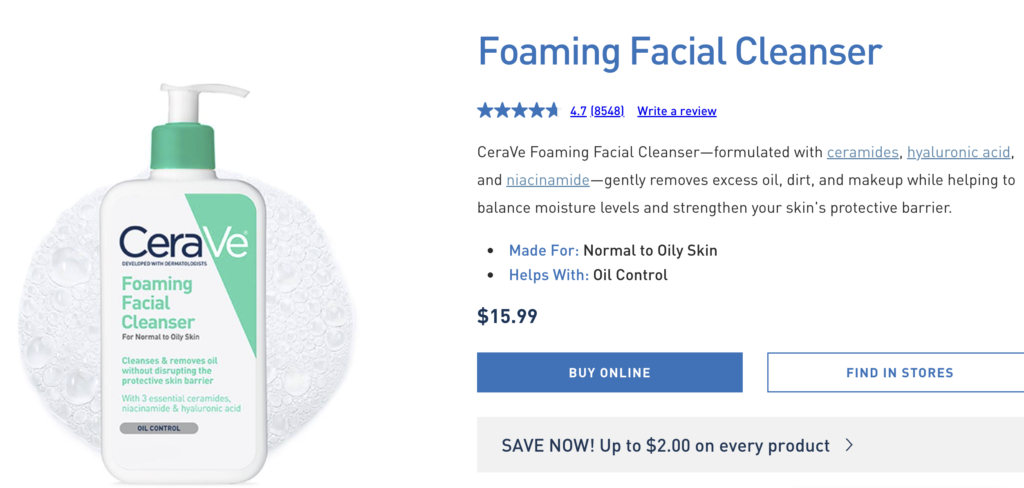
    CeraVe Foaming Facial Cleanser ($15.99)

    Cerave Foaming Facial Cleanser for normal to oily acne-prone skin
    • Made for normal to oily skin
    • Contains ceramides, hyaluronic acid, and niacinamide
    • Removes excess oil without disrupting the skin barrier

    💬 My Review:I used this one for over a year and still go back to it when I’m traveling for the weekend. It really helped clean my skin without overly drying, and it’s a perfect touch to balance skin when paired with the right moisturizer. It’s a great acne-safe face wash especially for combination acne-prone skin — it cleans well but isn’t harsh. A safe staple.

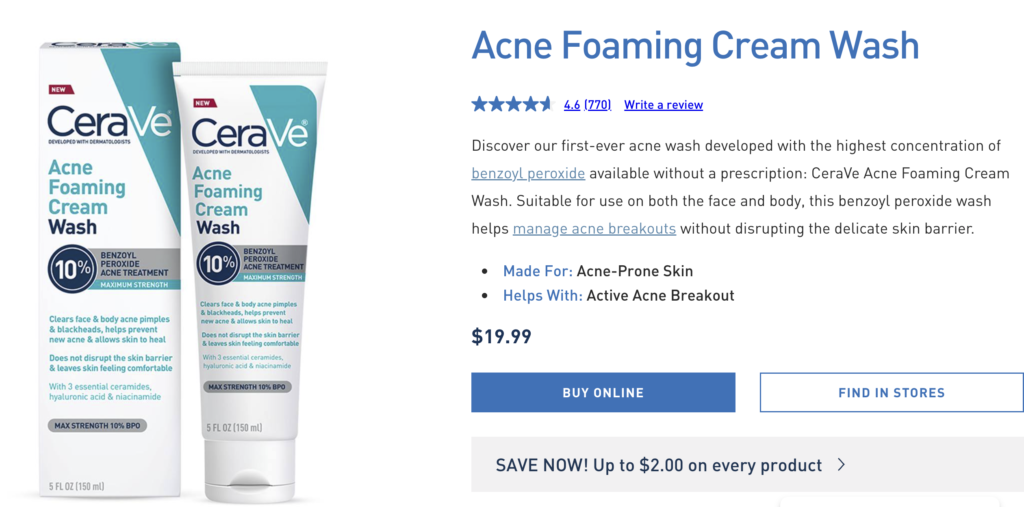
    CeraVe Acne Foaming Cream Wash 10% BPO ($19.99)

    CeraVe Acne Foaming Cream Wash for acne-prone skin: made with 10% benzoyl peroxide to clear acne and prevent new breakouts
    • 10% benzoyl peroxide-highest OTC concentration available
    • Clears face and body acne, blackheads, prevents new breakouts
    • Still contains ceramides and hyaluronic acid to protect barrier

    💬 My Review: This was my favorite for a long time. Once I found it I made sure I never ran out. I would use this daily at night paired with a really good hydrating moisturizer. My skin could handle it even though it is a more stripping face wash, but ONLY because I paired it with really hydrating moisturizers. I have sensitive acne-prone skin and this was a safe go-to that always cleared my skin. I found my skin wasn’t as hydrated as I wanted using it every day, but as someone with frequent breakouts, it left my skin clear, balanced in pigmentation and texture, and comfortable. I’m now at a stage where I can use a less stripping wash, but I still rotate this in about twice a week.

    💡 Pro Tip: Start with just a few nights a week and increase slowly. Do not use more than once per 24 hours- night use only, max 1x per day. Always pair with a rich, hydrating moisturizer.

    CeraVe vs Cetaphil- Cetaphil Cleansers

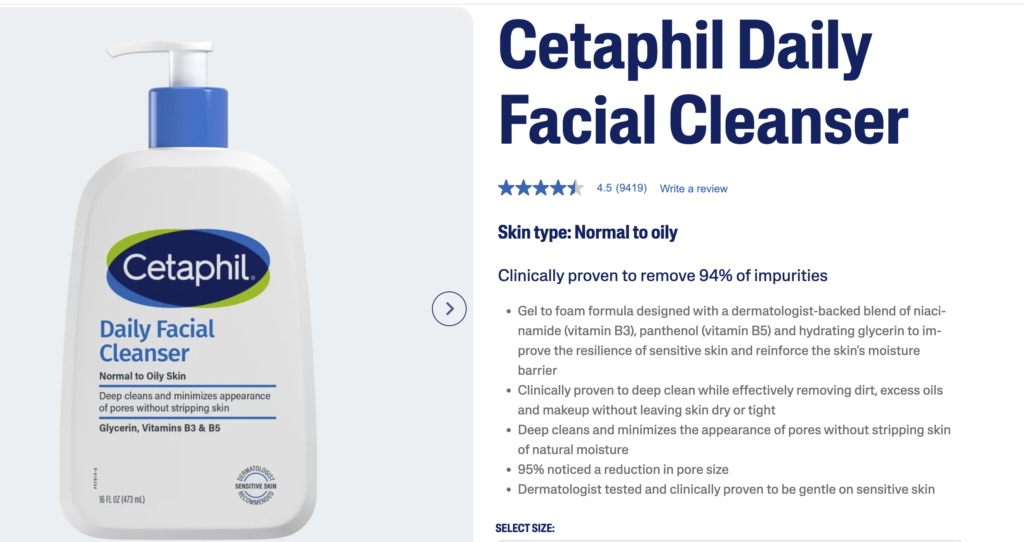
    Cetaphil Daily Facial Cleanser ($13.99)

    Cetaphil Daily Facial Cleanser gel-to-foam cleanser for normal to oily skin
    • Gel-to-foam formula with niacinamide, panthenol, and glycerin
    • Clinically proven to remove 94% of impurities
    • Normal to oily skin, dermatologist tested

    💬 My Review: I’ve used this before and it is very non-stripping which is great for the skin barrier. It’s a good option in an acne-prone routine if your skin is also dry and sensitive. It’s not a foamy cleanser so it doesn’t feel like a deep clean to me, and you have to use more product to really clean and lather on the skin. Great choice for sensitive acne-prone skin though.

    Cetaphil Gentle Clear Clarifying Acne Cream Cleanser ($12.99)

    Cetaphil Gentle Clear Clarifying Acne Cream Cleanser made with salicylic acid, aloe, and white tea extract to clear acne and calm the skin barrier
    • 2% salicylic acid acne treatment
    • Contains soothing aloe and white tea extract
    • Cream-to-lather formula, deep cleans without overdrying

    💬 My Review: This is a stronger acne wash but still calming thanks to aloe. It leaves the skin feeling clean and refreshed. A good choice for acne-prone skin that wants a real clean but still needs some gentleness.

    ROUND 1 VERDICT- CeraVe vs Cetaphil Cleansers: CeraVe wins for active acne fighters — the 10% BPO wash is one of the strongest OTC options available and I can personally vouch for it. Cetaphil wins for ultra-sensitive skin that cannot tolerate strong actives.


    ⚔️ ROUND 2: MOISTURIZERS

    The CeraVe vs Cetaphil moisturizer comparison is where things get really personal. Skipping moisturizer when you have acne is one of the biggest skincare mistakes — dry skin overproduces oil, which leads to MORE breakouts. Here is what each brand offers and what I personally experienced.

    CeraVe vs Cetaphil- CeraVe Moisturizers

    CeraVe PM Facial Moisturizing Lotion ($19.99)

    CeraVe Facial Moisturizing Lotion made with essential ceramides: perfect for acne-prone skin
    • Niacinamide, hyaluronic acid, and three essential ceramides
    • MVE technology for continuous overnight hydration
    • Made for all skin types

    💬 My Review: This is my favorite acne-safe moisturizer by CeraVe, and honestly one of my favorites overall. Even though it’s labeled PM, you can absolutely use it in the AM too. It’s best before bed because the niacinamide, hyaluronic acid, and ceramides work overnight to calm and protect the skin barrier and prevent acne. When I use this at night and wake up in the morning, my skin feels clean and moisturized but not oily. It’s a must-have.

    💡 Pro Tip: Many people pair this with the CeraVe AM SPF moisturizer (PM at night, AM in the morning), but this alone, morning or night, works beautifully for sensitive acne-prone skin.

    CeraVe Daily Moisturizing Lotion ($14.99)

    CeraVe Daily Moisturizing Lotion, that's lightweight for normal to dry skin
    • Lightweight formula with three essential ceramides
    • Locks in moisture and helps restore the protective skin barrier
    • Normal to dry skin

    💬 My Review: I definitely recommend this for people with sensitive acne-prone skin. It will protect your skin barrier, not clog your pores, and can be used AM or PM daily. Note: it is not labeled oil-free, so if you have oily acne-prone skin, you may want to switch to a lighter gel moisturizer instead.

    CeraVe AM Facial Moisturizing Lotion SPF 50 ($19.99)

    CeraVe AM Facial Moisturizing Lotion with SPF 50 to hydrate and protect the skin
    • Broad-spectrum SPF 50 sunscreen + daytime moisturizer in one
    • Ceramides, niacinamide, and hyaluronic acid
    • Normal to dry skin

    💬 My Review: I’ve bought this a few times and did like it. The only thing is that the product separates sometimes- shake it well before use. Overall this is a great product for a moisturizer and sunscreen in one. I recommend it if you like a 2-in-1. Personally I prefer using a separate acne-safe sunscreen with a matte finish over a light layer of moisturizer, but this gives a more hydrated dewy finish which some people will love.

    CeraVe vs Cetaphil- Cetaphil Moisturizers

    Cetaphil Gentle Clear Mattifying Acne Moisturizer ($15.99)

    Cetaphil Gentle Clear Mattifying Acne Moisturizer for acne-prone sensitive skin
    • 0.5% salicylic acid treats and prevents breakouts
    • Prebiotic complex and botanicals soothe sensitive skin
    • Matte finish, hydrates for 48 hours

    💬 My Review: I liked this one- it left my skin feeling comfortable and non-greasy so if you like that matte finish feeling this is a solid choice. It wasn’t hydrating enough for my skin when using a stronger cleanser, but it could be a great combo with a gentler cleanser for acne-prone skin. If you have acne-prone skin that is not sensitive or prone to dryness, this would be a great choice.

    ROUND 2 VERDICT- CeraVe vs Cetaphil Moisturizers: CeraVe wins for barrier repair and deep hydration — the PM lotion is my personal favorite. Cetaphil’s Mattifying Moisturizer wins for oily skin types who want a treatment and moisturizer in one step.


    ⚔️ ROUND 3: ACNE TREATMENTS & SPOT CARE

    This is where the CeraVe vs Cetaphil comparison gets really interesting. Both brands have expanded into targeted acne treatments- and I have personal experience with products from both.

    CeraVe vs Cetaphil- CeraVe Treatments

    CeraVe Acne Control Gel ($20.99)

    CeraVe Acne Control Gel for acne-prone oily skin
    • 2% salicylic acid with AHA and BHA
    • Contains ceramides, glycolic and lactic acids
    • Alcohol-free, made for acne-prone oily skin

    💬 My Review: I really like this one for spot treatment directly on pimples. It works well but you must apply it on clean dry skin — it will not work properly if moisturizer is already on your skin.

    💡 Pro Tip: Apply on clean dry skin before any moisturizer. Wait a few minutes to absorb before layering anything on top.

    CeraVe Resurfacing Retinol Serum ($21.99)

    CeraVe Resurfacing Retinol Serum that smooths post-acne skin
    • Encapsulated retinol reduces post-acne marks and pore appearance
    • Ceramides, licorice root extract, and niacinamide
    • Made for post-acne skin

    💬 My Review: I really did not like this product the first time around — but that was my fault. After really giving it a chance and slowly implementing it with the moisturizing sandwich method, this worked great and made my skin very smooth and even after a couple of months. Patience and the right application method are everything with retinol.

    💡 Pro Tip: Use the moisturizing sandwich method: thin layer of moisturizer, then retinol, then moisturizer on top. This buffers the retinol and reduces irritation significantly for sensitive skin.

    CeraVe Blemish Barrier Patches

    CeraVe Blemish Barrier Patches with hydrocolloid for spot treatment
    • Hydrocolloid patches that absorb fluid from pimples
    • Protect pimples from picking and bacteria
    • Available in multiple sizes

    💬 My Review: I love these ones. They are not too expensive and get the job done. A solid everyday pimple patch from a brand I already trust for my acne-prone skin.

    CeraVe vs Cetaphil- Cetaphil Treatments

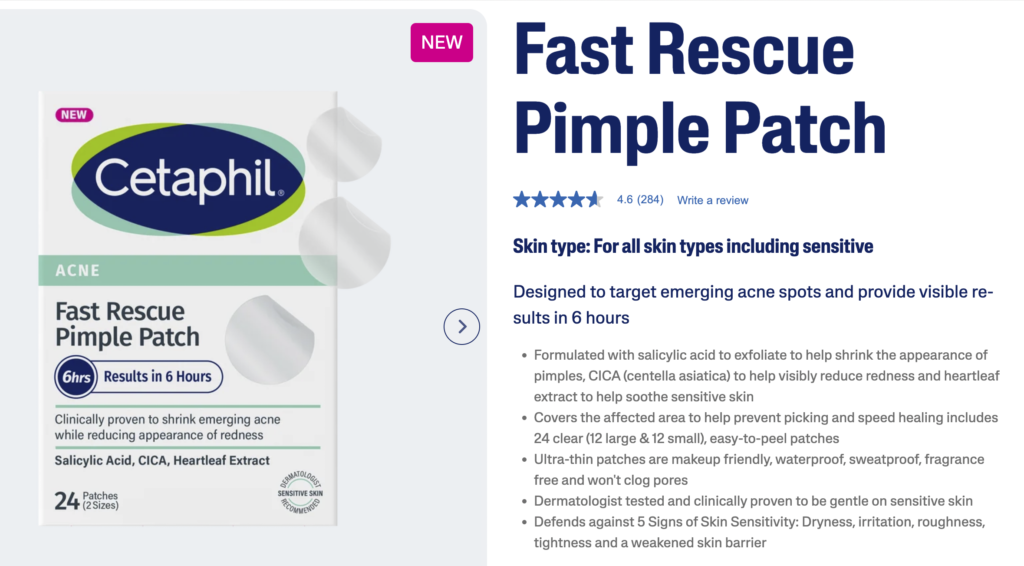
    Cetaphil Fast Rescue Pimple Patch

    Cetaphil Fast Rescue Pimple Patch to target emerging acne
    • Salicylic acid, CICA, and heartleaf extract
    • Results in 6 hours, 24 patches in two sizes
    • Ultra-thin, makeup friendly, waterproof and sweatproof

    💬 My Review: These also work well but they don’t really pull out the satisfying gunk. I don’t think they are hydrocolloid. They are cheaper than CeraVe patches by a few dollars though, so if budget is a priority these still do the job.

    💡 Pro Tip: If you want that satisfying extraction effect, look for patches labeled hydrocolloid specifically. Non-hydrocolloid patches still protect and calm the pimple but work differently.

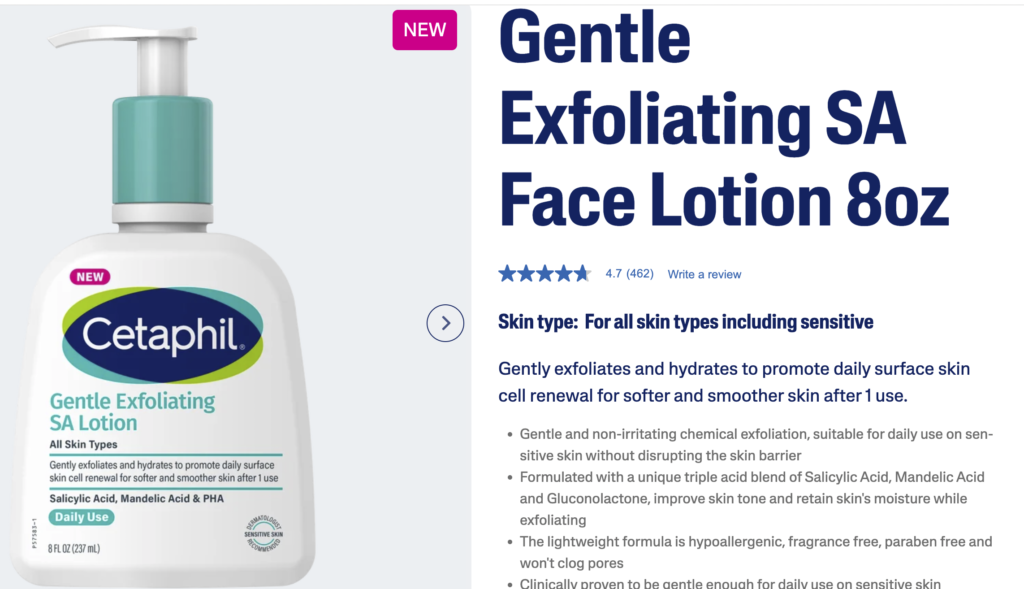
    Cetaphil Gentle Exfoliating SA Face Lotion ($18.99)

    Cetaphil Gentle Exfoliating SA Face Lotion gently exfoliates and hydrates skin-made for all skin types
    • Triple acid blend: Salicylic Acid, Mandelic Acid, and PHA
    • Gentle chemical exfoliation for all skin types including sensitive
    • Fragrance-free, paraben-free, non-comedogenic

    💬 My Review: I love this one- it is very gentle as described. I use it a couple of times a week under a thin layer of moisturizer because I have sensitive skin. It really helps gently exfoliate and even skin tone.

    💡 Pro Tip: Apply a very thin layer on clean dry skin, wait 2 minutes for it to really absorb, then layer with a thin moisturizer on top. If your skin is not sensitive or prone to dryness you can skip the added moisturizer.

    ROUND 3 VERDICT- CeraVe vs Cetaphil Treatments: Tie-depends on your goal. CeraVe wins for active acne treatment and post-acne marks. Cetaphil wins for gentle exfoliation and budget-friendly spot care.


    ⚔️ ROUND 4: MOST AFFORDABLE

    In the CeraVe vs Cetaphil affordability showdown, both brands are drugstore-priced but there are real differences when you break it down per product.

    CeraVe vs Cetaphil- CeraVe Price Range

    • Foaming Facial Cleanser 16oz: ~$15.99
    • Daily Moisturizing Lotion 12oz: ~$14.99
    • PM Facial Moisturizing Lotion 3oz: ~$19.99
    • Acne Foaming Cream Wash 5oz: ~$19.99
    • Acne Control Gel 1.35oz: ~$20.99
    • Resurfacing Retinol Serum 1oz: ~$21.99

    CeraVe vs Cetaphil- Cetaphil Price Range

    • Daily Facial Cleanser 16oz: ~$13.99
    • Gentle Clear Mattifying Moisturizer 3oz: ~$15.99
    • Gentle Clear Clarifying Cleanser 4.2oz: ~$12.99
    • Gentle Exfoliating SA Lotion 8oz: ~$18.99
    • Fast Rescue Pimple Patch 24ct: slightly cheaper than CeraVe patches

    ROUND 4 VERDICT- CeraVe vs Cetaphil Price: Cetaphil is slightly more affordable on basic cleansers and moisturizers. CeraVe’s treatment products cost a little more but deliver stronger actives. Overall both are very comparable in price for what you get.


    ⚔️ ROUND 5: BEST FOR SENSITIVE ACNE-PRONE SKIN

    When comparing CeraVe vs Cetaphil for sensitive acne-prone skin, this is where the real differences show. Having sensitive AND acne-prone skin is one of the most frustrating combinations. You need products strong enough to fight breakouts but gentle enough not to trigger a reaction.

    What Both Brands Get Right

    • Both are 100% fragrance-free
    • Both are non-comedogenic and dermatologist-tested
    • Both are hypoallergenic
    • Both are available at every drugstore and major retailer

    CeraVe vs Cetaphil- Where They Differ

    CeraVe leads with ceramide technology for barrier repair; this is essential if your skin barrier has been damaged by harsh acne treatments over time. If your skin is tight, flaky, or reactive from years of strong products, CeraVe ceramides are your best friend.

    Cetaphil leads with soothing botanicals- aloe, white tea, CICA, heartleaf. If your skin is prone to redness, inflammation, or visible irritation, Cetaphil’s gentler formulas tend to calm things down faster.

    💬 My Review:In my experience, CeraVe’s PM moisturizer and Daily Moisturizing Lotion are unbeatable for keeping sensitive acne-prone skin comfortable and protected. But when my skin gets really reactive or inflamed I reach for Cetaphil’s gentler options first to calm things down.

    ROUND 5 VERDICT- CeraVe vs Cetaphil for Sensitive Skin: CeraVe wins for barrier-damaged sensitive skin. Cetaphil wins for reactive, inflamed sensitive skin. If your skin is both, start with Cetaphil to calm things down then add CeraVe ceramide products as your barrier heals.


    ⚔️ ROUND 6: BEST FOR OILY ACNE-PRONE SKIN

    In the CeraVe vs Cetaphil oily skin round, the stakes are real. Oily skin and acne is the most common combination- you need lightweight products that control shine without adding more congestion.

    CeraVe vs Cetaphil- CeraVe for Oily Skin

    • Foaming Facial Cleanser: removes excess oil effectively without stripping
    • Acne Foaming Cream Wash: deep cleans oily skin and treats active acne simultaneously
    • Acne Control Gel: 2% SA + AHA/BHA combo controls oil and clears congestion

    CeraVe vs Cetaphil- Cetaphil for Oily Skin

    • DermaControl Oil Removing Foam Wash: specifically formulated to reduce excess sebum
    • Gentle Clear Mattifying Acne Moisturizer: matte finish that controls shine while treating acne
    • Daily Facial Cleanser: gentle enough for daily use without over-stripping oily skin

    ROUND 6 VERDICT- CeraVe vs Cetaphil for Oily Skin: Cetaphil edges ahead for dedicated oil control with their DermaControl line. That said, CeraVe’s Foaming Cleanser and Acne Control Gel are excellent supporting products for oily acne-prone skin.


    ⚔️ ROUND 7: BEST FOR BEGINNERS

    In the final CeraVe vs Cetaphil round, we answer the ultimate beginner question: which brand should you reach for first? Here are two simple starter routines you can build today.

    CeraVe vs Cetaphil- Beginner Routine with CeraVe

    CeraVe vs Cetaphil- Beginner Routine with Cetaphil

    ROUND 7 VERDICT- CeraVe vs Cetaphil for Beginners: CeraVe wins for beginners. The Foaming Cleanser + PM Lotion combo is one of the most universally recommended starter routines for acne-prone skin. Simple, affordable, and hard to mess up.


    ✨ Glow Report: Category Winners

    The rounds are done, and the results are in. Here’s your personalized breakdown of category winners. Find what applies to your skin and let the results speak for themselves.

    💰 Most Affordable

    🥇 First Place: Cetaphil Daily Facial Cleanser
    Large 16oz bottle under $14 — one of the most affordable gentle cleansers for acne-prone skin. Non-stripping, barrier-safe, and great for daily use.

    🥈 Runner Up: CeraVe Foaming Facial Cleanser
    Only a dollar or two more and still very affordable for a 16oz bottle. Adds ceramides and niacinamide for extra barrier support.

    🔥 Best for Fast Acne Clearing

    🥇 First Place: CeraVe Acne Foaming Cream Wash (10% BPO)
    Highest OTC benzoyl peroxide concentration available. Personally tested — clears active breakouts fast when paired with a rich hydrating moisturizer. Start slow at 2-3x per week.

    🥈 Runner Up: Cetaphil Gentle Clear Clarifying Acne Cream Cleanser
    2% salicylic acid with aloe and white tea — a gentler but still effective option for clearing breakouts without the intensity of BPO.

    🌸 Best for Sensitive Acne-Prone Skin

    🥇 First Place: CeraVe PM Facial Moisturizing Lotion
    Niacinamide, ceramides, and hyaluronic acid work overnight to calm, protect, and hydrate without clogging pores. My personal favorite — woke up with clean, comfortable skin every time.

    🥈 Runner Up: Cetaphil Gentle Clear Clarifying Acne Cream Cleanser
    The aloe and white tea extract make this one of the most soothing acne cleansers for reactive skin. Cleans without stripping or irritating.

    ✨ Best for Fading Post-Acne Marks

    🥇 First Place: CeraVe Resurfacing Retinol Serum
    Encapsulated retinol + ceramides + licorice root extract visibly smooths texture and fades marks over time. Use the moisturizer sandwich method for sensitive skin — took a couple of months but results were real.

    🥈 Runner Up: Cetaphil Repairing Post-Acne Serum (Bakuchiol)
    A retinol alternative using bakuchiol — gentler on skin that can’t tolerate retinol. Great for reducing post-acne marks without the irritation risk.

    🛢️ Best for Oily Acne-Prone Skin

    🥇 First Place: Cetaphil Gentle Clear Mattifying Acne Moisturizer
    Controls shine with a matte finish while actively treating breakouts with 0.5% salicylic acid. Comfortable and non-greasy — great if you hate that heavy moisturizer feel.

    🥈 Runner Up: CeraVe Acne Control Gel
    2% SA + AHA/BHA combo controls oil and clears congestion. Apply on clean dry skin before moisturizer for best results.

    ☀️ Best 2-in-1 Moisturizer + SPF

    🥇 First Place: CeraVe AM Facial Moisturizing Lotion SPF 50
    Hydrating dewy finish with broad-spectrum SPF 50. Shake well before use — it can separate. Perfect for a one-step morning routine with a glowy finish.

    🥈 Runner Up: Cetaphil DermaControl Oil Absorbing Moisturizer SPF 30
    SPF 30 with a matte finish — better pick if you have oily skin and want shine control built into your SPF moisturizer.

    🌿 Best Ultra Gentle & Soothing Cleanser

    🥇 First Place: Cetaphil Gentle Clear Clarifying Acne Cream Cleanser
    2% salicylic acid balanced with aloe and white tea extract. Strong enough to fight acne but calming enough for reactive skin. Clean and refreshed without tightness.

    🥈 Runner Up: Cetaphil Daily Facial Cleanser
    The gentlest option on this list. No actives, just a thorough non-stripping cleanse. Best for very reactive skin that needs a break from all actives.

    🔰 Best for Beginners

    🥇 First Place: CeraVe Foaming Cleanser + CeraVe PM Lotion
    One of the most universally recommended starter combos for acne-prone skin. Simple, affordable, and hard to mess up. Used this for over a year and still reach for it when traveling.

    🥈 Runner Up: Cetaphil Daily Facial Cleanser + Cetaphil Gentle Clear Mattifying Moisturizer
    A great Cetaphil beginner combo — ultra gentle cleanser paired with an acne-treating moisturizer. Good for oily beginners who want a matte finish.

    🩹 Best Spot Treatment

    🥇 First Place: CeraVe Acne Control Gel
    2% SA + AHA/BHA targets pimples directly on clean dry skin. Fast-acting and effective for congested oily skin. Don’t apply over moisturizer — it won’t absorb properly.

    🥈 Runner Up: Cetaphil Gentle Clear Triple-Action Acne Serum
    0.5% salicylic acid serum shown to improve breakouts in 3 days. Gentler formula — better for sensitive skin that can’t handle higher concentrations.

    🩹 Best Pimple Patch

    🥇 First Place: CeraVe Pimple Patches
    Hydrocolloid patches that actually pull out the gunk overnight. Not the cheapest but they deliver visible results. A trustworthy pick from a brand built for acne-prone skin.

    🥈 Runner Up: Cetaphil Fast Rescue Pimple Patch
    A few dollars cheaper and still effective at calming and protecting pimples. Not hydrocolloid so won’t pull out gunk, but great for overnight protection and reducing redness.

    💆 Best for Dry + Acne-Prone Skin

    🥇 First Place: CeraVe Daily Moisturizing Lotion
    Three ceramides protect and restore the barrier without clogging pores. Great for dry acne-prone skin AM or PM. Note: not labeled oil-free so switch to a gel if you’re very oily.

    🥈 Runner Up: CeraVe PM Facial Moisturizing Lotion
    Slightly richer formula with niacinamide and ceramides — great overnight option for dry acne-prone skin that needs extra barrier support while sleeping.

    🧖 Best for Gentle Exfoliation

    🥇 First Place: Cetaphil Gentle Exfoliating SA Face Lotion
    Triple acid blend (Salicylic Acid, Mandelic Acid, PHA) gently exfoliates all skin types including sensitive. Use 2x a week on clean dry skin, wait 2 minutes, then layer a thin moisturizer.

    🥈 Runner Up: CeraVe Acne Control Gel
    While primarily a spot treatment, the AHA/BHA combo makes it a solid gentle exfoliating option for oily acne-prone skin used as an all-over treatment a few nights a week.


    Where to Buy CeraVe vs Cetaphil Products

    CeraVe on Amazon
    Cetaphil on Amazon
    CeraVe at Target
    Cetaphil at Target
    CeraVe at Walmart
    Cetaphil at Walmart
    CeraVe Official Website
    Cetaphil Official Website


    More From GlowWithoutBreakouts

    Best Cleansers for Acne-Prone Skin: Tested & Ranked
    Best Sunscreen for Acne-Prone Skin
    Over-Exfoliation Recovery: How to Fix Damaged Skin
    5 Critical Mistakes That Shattered Your Skin Barrier
    Best Ways to Make a Pimple Go Away Fast
    8 Best Tips to Prevent Breakouts and Acne
    Does Stress Really Cause Acne?
    Best Pillowcase for Acne-Prone Skin
    Best Oil Cleansers for Acne-Prone Skin
    The Worst Skincare Mistake I Made


    Disclaimer: This post contains affiliate links. If you purchase through these links, I may earn a small commission at no extra cost to you. All opinions are 100% my own and based on personal experience and honest research. This is not medical advice — please consult a dermatologist for persistent acne concerns.
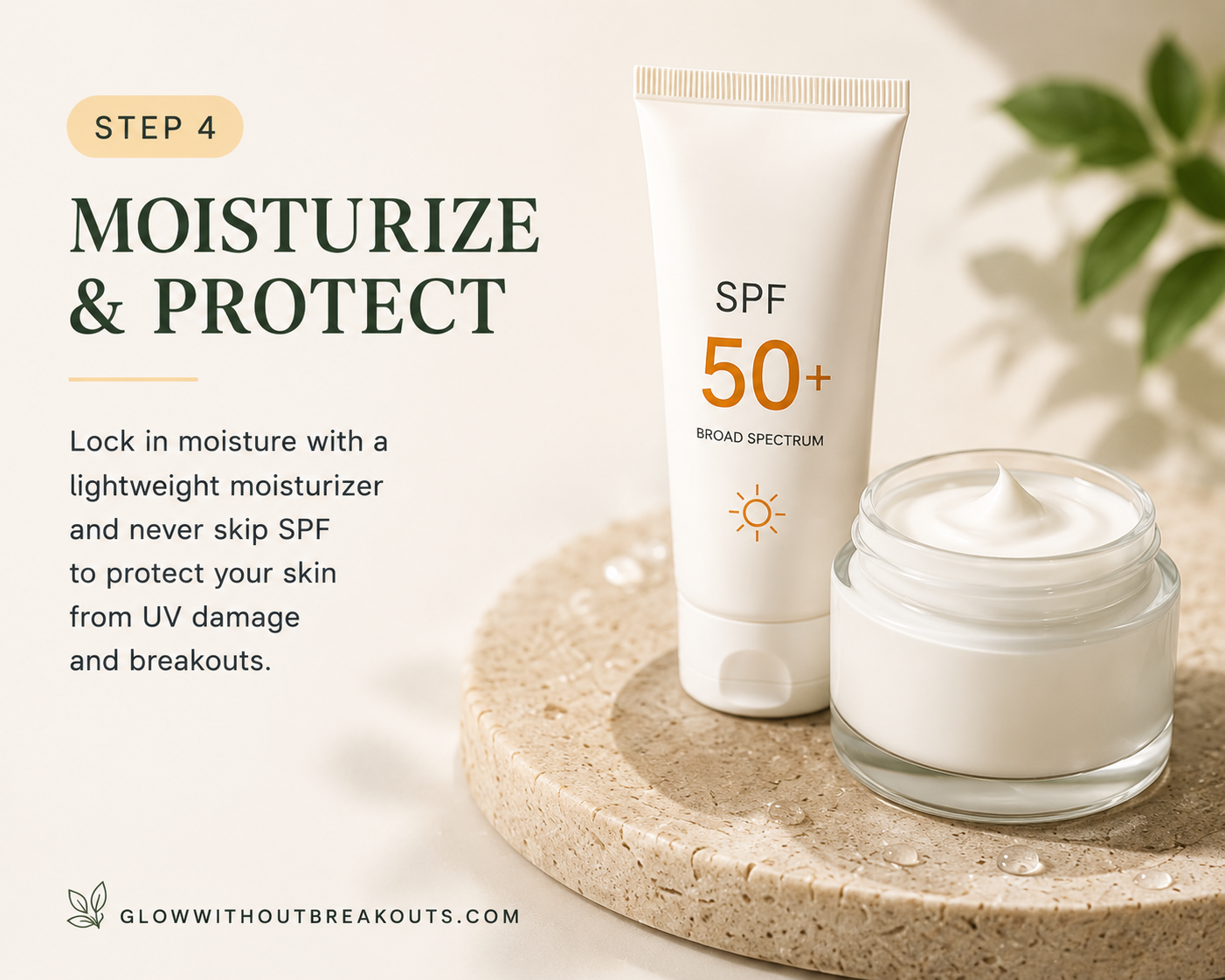
  • Best Pillowcase for Acne in 2026: Top 4 Fabrics Ranked

    Best Pillowcase for Acne in 2026: Top 4 Fabrics Ranked

    You wash your face every night. You follow your skincare routine. You’re doing everything right — and you’re still waking up with new breakouts.

    Here’s something most people never think about: you’re pressing your face against the same surface for 8 hours every single night. Whatever has built up on that fabric — oil, bacteria, dead skin cells, hair product residue — is being pressed directly into your pores while you sleep. If you haven’t thought seriously about the best pillowcase for acne-prone skin, you might be unknowingly sabotaging everything else you’re doing.

    This guide covers the three things that actually matter when choosing the best pillowcase for acne-prone skin: how often to change it, why your laundry detergent could be secretly irritating your skin, and the honest breakdown of silk vs. satin vs. cotton — so you can find the best pillowcase for acne that actually fits your life and budget.


    What Your Pillowcase Is Doing to Your Skin Overnight

    Every night, your best pillowcase for acne collects:

    • Sebum (facial oil) from your skin and hair
    • Dead skin cells shed during sleep
    • Sweat and moisture
    • Residue from nighttime skincare products
    • Hair product buildup — dry shampoo, conditioner, styling products
    • Bacteria, including C. acnes, the strain most associated with breakouts

    On night one, this isn’t a problem. By night three or four, that accumulation becomes a breeding ground. The sebum on your best pillowcase for acne feeds C. acnes bacteria, which transfers right back onto your skin and can trigger the inflammatory response that leads to new breakouts. This is exactly why even the best pillowcase for acne needs to be changed regularly — fabric choice alone isn’t enough.

    infographic showing what builds up on your pillowcase overnight that can cause breakouts, oil, bacteria, dead skin cells, and product residue

    This is exactly why choosing and maintaining the best pillowcase for acne is one of the simplest, most underrated habits you can build into your routine. You’re spending real money on cleansers, treatments, and serums — and your pillow is quietly undoing that investment every night if you’re not staying on top of it. For a full picture of how your nightly routine affects your skin, see our best skincare routine for acne-prone skin.


    How Often Should You Change Your Pillowcase for Acne-Prone Skin?

    The standard recommendation for most people is once a week. But if you have oily or acne-prone skin, dermatologists consistently push that further.

    timeline infographic explaining how long you should change your pillowcase for acne-prone skin.

    Board-certified dermatologist Dr. Marisa Garshick, of MDCS Dermatology in New York, recommends swapping to a fresh best pillowcase for acne every two to three days for acne-prone skin — because it directly reduces the buildup of acne-causing bacteria, dirt, and oil that clog pores and trigger breakouts. During summer or if you sweat heavily at night, daily swaps are even better.

    The American Academy of Dermatology also emphasizes that maintaining a clean sleep environment is a core part of preventing skin irritation and acne flare-ups — a recommendation that most people apply to their skincare products but not their bedding.

    Here’s how to make the every-2-3-days cadence actually sustainable:

    Stock up on 5–6 of your best pillowcase for acne. You only need to do one laundry load per week — just swap to a fresh one every couple of days and wash them all together at once.

    Try the flip trick. On night two, flip your pillow to the clean side. It’s not a replacement for washing, but it buys you an extra night on a fresher surface.

    Wash the pillow itself. Most people never do this. Aim to wash the actual pillow every three months using the hot water setting to kill bacteria and dust mites that work their way through the pillowcase over time.


    Why Your Laundry Detergent Might Be Breaking You Out

    Here’s one that catches most people off guard. You’re diligently swapping to the best pillowcase for acne every few days — but if you’re washing it in the wrong detergent, you’re replacing a dirty surface with a chemically irritating one.

    Infographic explaining how laundry detergent with fragrances and dyes can irritate skin, disrupt the skin barrier, and contribute to acne breakouts.

    Standard detergents are loaded with fragrances, dyes, optical brighteners, and preservatives. These are designed to make clothes smell good and look bright. But when those residues stay in your best pillowcase for acne and sit against your face for 8 hours a night, they can:

    • Disrupt your skin’s acid mantle
    • Trigger contact dermatitis
    • Cause stinging, redness, and sensitivity
    • Contribute to clogged pores in reactive skin

    This is especially significant if you already have a compromised skin barrier — fragrance is one of the most common contact allergens, and even trace residue in fabric can be enough to trigger a reaction. (If that sounds familiar, our guide on skin barrier damage and how to fix it is worth a read.)

    The Right Detergent for Acne-Prone Skin

    All Free Clear is the gold standard recommendation for sensitive and acne-prone skin. It’s the number one detergent brand recommended by dermatologists, allergists, and pediatricians for sensitive skin. Zero fragrances, zero dyes, EPA Safer Choice certified, and it rinses completely clean without leaving irritating residue behind.

    Other solid options include:

    • Tide Free & Gentle — fragrance-free and dye-free, widely available at most grocery stores
    • Seventh Generation Free & Clear — plant-based, certified by the National Eczema Association
    • Arm & Hammer Sensitive Skin Free & Clear — budget-friendly and easy to find

    What to skip entirely: fabric softeners and dryer sheets, even unscented ones. They leave a coating on fabric that can trap oil and irritants against your skin. Use wool dryer balls instead — they soften fabric without any chemical residue.

    Wash temperature: Warm to hot water kills bacteria most effectively. Hot water (around 60°C / 140°F) is especially important if you sweat heavily at night or are dealing with active breakouts.


    Best Pillowcase for Acne: Silk vs. Satin vs. Cotton vs. Bamboo

    Fabric choice has a real impact on acne-prone skin — and not just because some fabrics feel nicer. Here’s what’s actually happening with each material.

    Comparison chart of pillowcase fabrics for acne-prone skin, showing differences in friction, absorbency, and breathability between silk, satin, cotton, and bamboo.

    Cotton: The Default That’s Working Against You

    Cotton is on most people’s beds because it’s affordable and breathable. But it has two properties that are genuinely problematic if you’re looking for the best pillowcase for acne.

    First, cotton is highly absorbent. It soaks up oil, sweat, and bacteria from your face, then holds all of it in the fabric. By night two or three, you’re pressing your face against a concentrated accumulation of everything that was on your skin the night before. Second, cotton has more friction than smoother fabrics. Every time you move during sleep, your skin drags slightly against the fiber. For inflamed or sensitized skin, this repeated mechanical friction aggravates existing breakouts and increases redness.

    As board-certified dermatologist Dr. Anna Chacon explains: the friction from cotton on sensitive skin creates more inflammation, worsening acne, eczema, and other skin conditions. Cotton essentially turns into a bacteria petri dish for your face after a few nights of use.
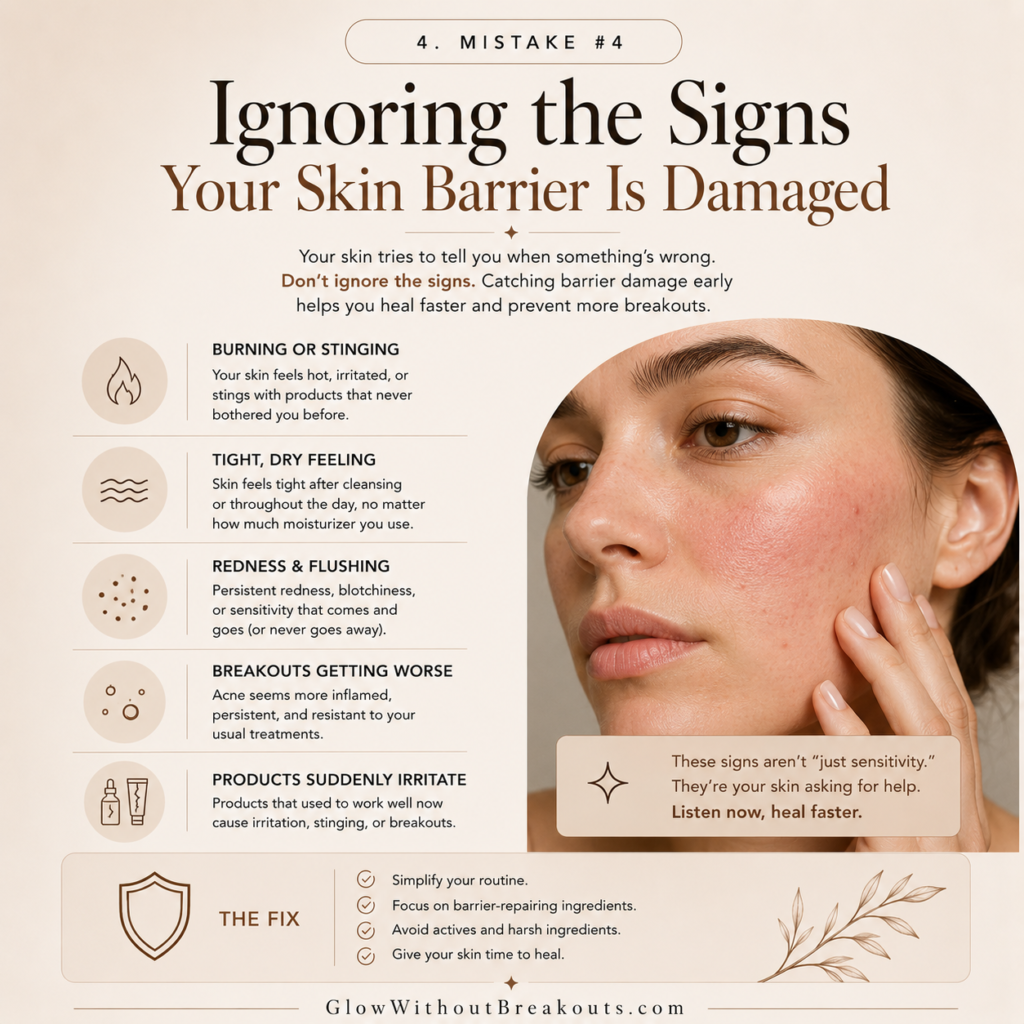
    If you’re using cotton, the mitigation strategy is frequent changes — every two to three days — and a fragrance-free detergent. But cotton simply isn’t the best pillowcase for acne if you have alternatives available, and the science is pretty clear on why.

    Satin: A Meaningful Upgrade, With One Catch

    Satin’s smooth surface is genuinely gentler on skin than cotton, making it a candidate for best pillowcase for acne on a budget. It reduces friction significantly, and because satin is less absorbent, your nighttime serums and moisturizers stay on your face rather than getting soaked up by the fabric. That alone can make a noticeable difference in how well your skincare actually works overnight.

    The catch: most satin pillowcases are made from synthetic polyester. Polyester satin is smooth, but it’s not breathable. It traps heat and moisture against your skin, which can clog pores and contribute to breakouts — especially in summer. It also lacks the hypoallergenic properties of natural fibers.
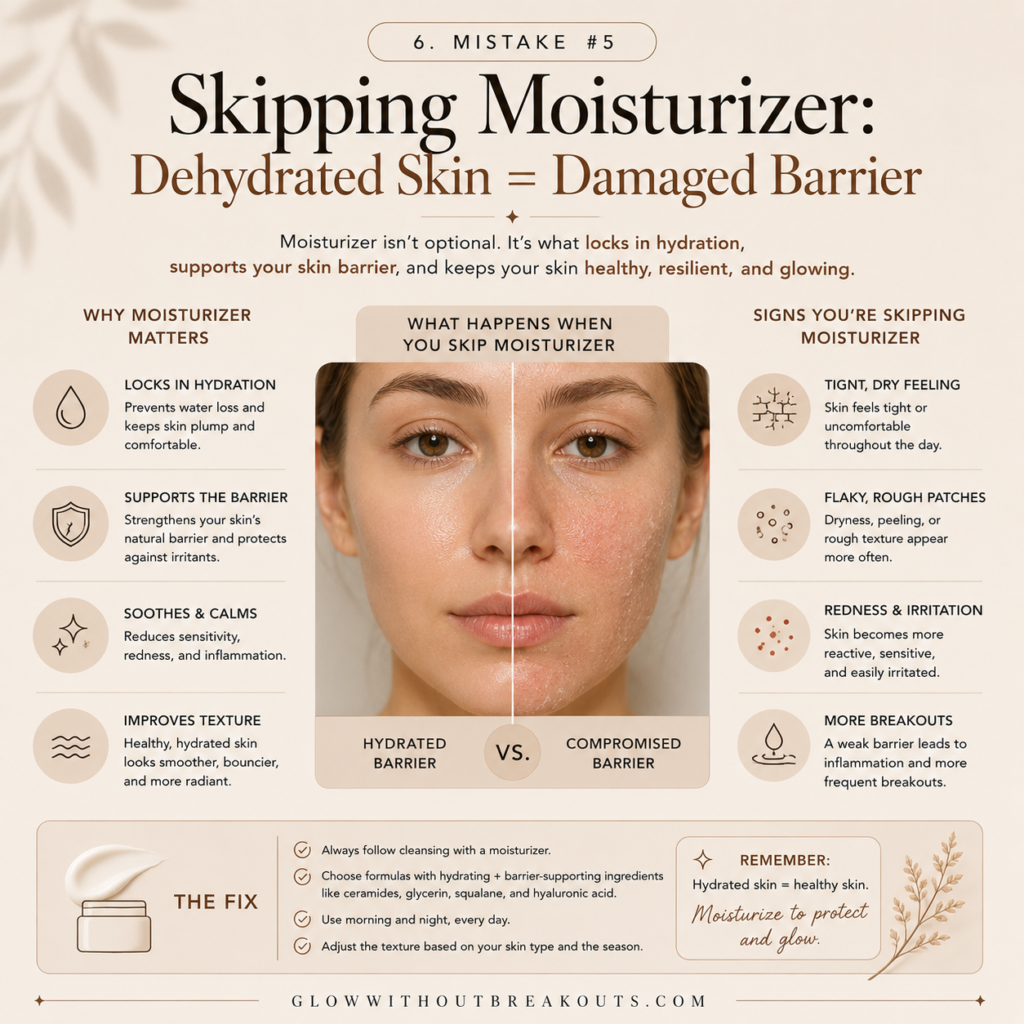
    Satin is a better choice than cotton and a decent best pillowcase for acne if silk is out of budget. It’s just not the top option if breathability matters to you.
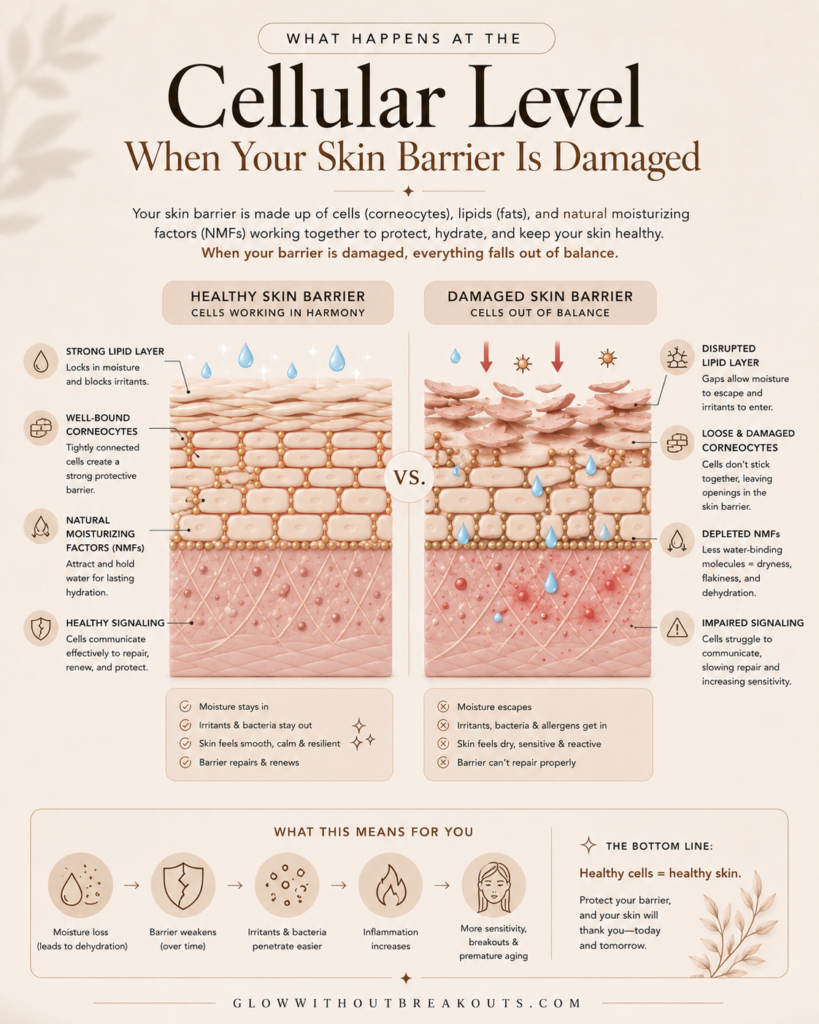
    Silk: Why Dermatologists Actually Recommend It

    Pure mulberry silk is what dermatologists consistently point to when asked for the best pillowcase for acne-prone skin, and it holds a clear lead over every other fabric option. The reasons are specific and science-backed.

    Reduced friction. Silk’s surface is exceptionally smooth — skin glides across it rather than dragging. A study published in the Journal of Cosmetic Dermatology found that pure silk pillowcases reduced facial irritation in people with acne compared to cotton alternatives. Less friction means less aggravation of existing inflammation.

    Less absorbent. Unlike cotton, silk doesn’t aggressively pull moisture or products from your skin. Your retinol, ceramide moisturizer, and niacinamide serum stay where you put them.

    Naturally hypoallergenic. Silk naturally resists dust mites, mold, and bacteria — keeping your sleep surface cleaner between washes. This is a meaningful advantage for anyone whose skin reacts to environmental irritants.

    Breathable and temperature-regulating. Unlike polyester satin, silk allows air to circulate and regulates temperature. Less trapped heat means less sweat and fewer clogged pores overnight.

    According to dermatologist Dr. VanHoose of Water’s Edge Dermatology, silk is the top recommendation for acne patients because it’s made from 100% pure natural fiber, smooth, breathable, and doesn’t harbor bacteria the way cotton does.

    What to look for in the best pillowcase for acne: 100% mulberry silk with a momme weight of 19–22. That’s the sweet spot for softness, durability, and everyday skin benefits. Look for OEKO-TEX certification to confirm there are no harmful chemicals in the fabric. Expect to spend $40–$80 for a quality option.

    One important distinction: genuine mulberry silk and satin are not the same thing, even though they look similar. Satin is a weave type, not a fiber — it can be made from polyester or other synthetics. Only real silk gives you the full combination of breathability, hypoallergenic properties, and reduced friction.

    Bamboo: The Best Value Alternative

    Bamboo pillowcases don’t get enough credit. They’re naturally antimicrobial, more breathable than cotton, significantly softer, and considerably more affordable than silk — making bamboo a strong contender for best pillowcase for acne on a budget. Dr. Garshick specifically recommends bamboo as an excellent option for acne-prone skin. If you’re not ready to invest in silk, bamboo is the best pillowcase for acne at an accessible price point.

    The Honest Summary

    FabricFrictionAbsorbencyBreathabilityAcne-Prone Rating
    CottonHighHighGood⚠️ Only with frequent changes
    Polyester SatinLowLowPoor✓ Better than cotton
    BambooLowMediumGood✓✓ Great value option
    Mulberry SilkVery lowVery lowExcellent✓✓✓ Dermatologist’s top pick

    The Complete Best Pillowcase for Acne Routine

    Put it all together — here’s the full system:

    Change frequency: Swap to your best pillowcase for acne every 2–3 days for oily or acne-prone skin. Daily in summer or if you sweat heavily at night.

    Detergent: Fragrance-free and dye-free only. All Free Clear is the dermatologist-recommended default. No fabric softeners or dryer sheets.

    Wash temperature: Warm to hot to kill bacteria effectively.

    Fabric: The best pillowcase for acne is 100% mulberry silk (19–22 momme) for the best overall results. Bamboo is a more affordable alternative. Avoid synthetic polyester if breathability is a concern.

    Habits that compound the benefit:

    • Always wash your face before bed — less on your skin means less transferring to your pillow
    • Keep your hair clean, especially if you have an oily scalp; scalp oil transfers directly to your pillowcase and then your face
    • If you use heavy hair products, consider a silk bonnet so product buildup never reaches your pillowcase
    • Wash the actual pillow itself every three months
    Checklist infographic showing the best pillowcase routine for clear skin, including changing every 2–3 days, using fragrance-free detergent, and choosing silk or bamboo fabric.

    Does Changing Your Pillowcase Actually Clear Acne?

    Here’s the honest answer: the best pillowcase for acne won’t cure acne on its own. Acne is multifactorial — hormones, genetics, skincare products, and stress all play significant roles. Hormonal or cystic acne won’t resolve from switching to the best pillowcase for acne alone.

    But here’s what the right best pillowcase for acne and hygiene routine will do: stop your sleep environment from actively working against you. If you’re doing everything right and still breaking out, your bedding is genuinely worth examining as a contributing variable. A contaminated best pillowcase for acne re-exposes your skin to bacteria and friction every single night — quietly undoing the skincare routine you’re working hard to maintain.

    Think of it the same way you think about your cleanser. A good cleanser won’t cure acne by itself, but a bad one will definitely make things worse. The same logic applies to your best pillowcase for acne. For a full picture of other habits that prevent breakouts, read our 8 best tips to prevent breakouts and acne.


    FAQ

    How often should I change my best pillowcase for acne? Every 2–3 days is the dermatologist recommendation when using the best pillowcase for acne-prone skin. The easiest way to make this sustainable is to own 5–6 pillowcases and do one laundry run per week. During hot months or if you sweat heavily, daily changes are ideal.

    Is silk or satin better as the best pillowcase for acne? Genuine mulberry silk is the better best pillowcase for acne. Most satin pillowcases are made from synthetic polyester, which traps heat and moisture and lacks silk’s breathability and hypoallergenic benefits. Satin still beats cotton for reducing friction, but real silk is the superior choice for acne-prone skin.

    Can my laundry detergent cause breakouts? Yes. Fragrances, dyes, and optical brighteners in standard detergents leave residue on fabric that can irritate acne-prone skin and disrupt your skin barrier. Switch to a fragrance-free, dye-free option like All Free Clear, and skip fabric softeners entirely.

    What’s the most important factor — fabric or washing frequency? Both matter, but washing frequency has a more immediate impact. Even the best pillowcase for acne becomes a bacteria reservoir if you go two weeks between washes. If you can only change one thing, change how often you swap your best pillowcase for acne. If you can change two things, upgrade your fabric and your detergent at the same time.

    I swapped to the best pillowcase for acne and I’m still breaking out. What gives? Pillowcase hygiene removes one variable — not all of them. Check your cleanser for anything too stripping (our best cleansers for acne-prone skin breaks down exactly what to look for). Hair products are frequently overlooked — they transfer to your pillow and then your face more than most people realize. And if your skin is red, reactive, and breaking out despite a solid routine, our guide to skin barrier damage might explain what’s actually going on.

    Can I use fabric softener when washing my best pillowcase for acne? No. Fabric softeners leave a chemical coating on your best pillowcase for acne that can trap oil and residue against your skin. Use wool dryer balls instead for softness without any chemical trade-off.


    Dealing with a breakout right now while you wait for your new routine to kick in? Our post on the best ways to make a pimple go away fast covers the science-backed methods that won’t make things worse. And if you’re concerned your skincare is damaging your skin barrier rather than fixing it, start with our over-exfoliation recovery guide.

  • 5 Critical Mistakes That Shattered Your Skin Barrier (And How to Heal It)

    5 Critical Mistakes That Shattered Your Skin Barrier (And How to Heal It)


    I’ve spent the last three years watching people destroy their skin in the name of clarity.

    They come to me frustrated, confused, sometimes even angry. “I’m doing everything right,” they say. “I’m exfoliating twice a week. I’m using active ingredients. I’m following every skincare trend I can find.” And yet their acne is getting worse. Their skin is red, itchy, flaking — sometimes even burning.

    The real problem? They have skin barrier damage, and they don’t even know it.

    What’s cruel about skin barrier damage is that it usually happens to the people who care the most about their skin. The ones who read every article, buy every serum, and genuinely want to fix their acne. They’re so focused on treating breakouts that they accidentally obliterate the protective wall their skin needs to actually heal.

    Here are the five critical mistakes most likely causing your skin barrier damage — and exactly what to do about each one.


    Why Skin Barrier Damage Matters More Than Any Serum You Own

    Before we get into the mistakes, let’s be clear about what skin barrier damage actually means.

    Your skin barrier isn’t just a skincare buzzword. It’s the difference between healthy, clear skin and a relentless cycle of inflammation, sensitivity, and persistent acne. Think of it like the security system of your house: when it’s working, it lets good things in (hydration, beneficial ingredients) and keeps bad things out (bacteria, pollutants, irritants). When you have skin barrier damage, that system breaks down. Water escapes. Irritants penetrate. Inflammation follows. And your acne doesn’t stay the same — it gets worse.

    According to the American Academy of Dermatology, a healthy skin barrier is the foundation of resilient, youthful skin — and harsh routines are one of the leading causes of damage. Research suggests approximately 60% of people with acne are actively causing skin barrier damage while trying to treat their breakouts. They’re using the right ingredients in the wrong way, and they don’t realize it until the problem is severe.


    Mistake #1: Over-Exfoliating (Leading Cause)

    Over-exfoliation is responsible for more cases of skin barrier damage than any other single factor, and it almost always happens with the best intentions.

    The messaging around exfoliation isn’t wrong — removing dead skin cells does unclog pores and smooth texture. But nobody emphasizes the difference between healthy exfoliation and the kind that strips away the protective lipids your skin needs to function.

    Here’s what’s happening beneath the surface. Your outermost skin layer — the stratum corneum — is made up of dead skin cells held together by lipids: ceramides, cholesterol, and fatty acids. Think of it as a brick wall, where the cells are the bricks and the lipids are the mortar. When you over-exfoliate, you’re not just removing bricks. You’re dissolving the mortar too — and that’s how skin barrier damage begins.

    The result is elevated transepidermal water loss (TEWL). Your skin starts leaking moisture at an accelerated rate, even if you’re applying moisturizer. Dehydrated skin is inflamed skin. Inflamed skin is acne-prone skin. This is the vicious cycle that skin barrier damage creates.

    I see this pattern constantly. Someone exfoliates twice a week, gets results, bumps it to three times, then adds a physical scrub. Within a few weeks their skin is red, reactive, and breaking out worse than before. They assume they need stronger acne treatments and add a retinoid or benzoyl peroxide on top of already serious skin barrier damage. By that point, recovery takes months.

    The fix: Most skin types do well with exfoliation once or twice a week, maximum. If you already have signs of skin barrier damage, stop exfoliating entirely until your skin recovers. For a full step-by-step guide to getting your skin back on track, read our post on Over-Exfoliation Recovery: How to Fix Damaged Skin.


    Mistake #2: Combining Too Many Active Ingredients

    Here’s another common path to skin barrier damage: layering multiple active ingredients in the same routine.

    Active ingredients — AHAs, BHAs, vitamin C, retinoids, niacinamide, benzoyl peroxide — are powerful tools. But they’re all, by definition, irritating to some degree. One active ingredient gives your skin time to adapt and recover. Three or four in the same routine creates progressive skin barrier damage, day after day, with no recovery window.

    I had a client using a BHA toner, vitamin C serum, nightly retinoid, and benzoyl peroxide spot treatment all at once. Within two weeks she had severe skin barrier damage — her skin burned at the touch of anything. She’d developed contact dermatitis, her acne was significantly worse, and her recovery took months longer than it needed to.

    The problem isn’t just the immediate irritation. Constant chemical disruption keeps your skin in a perpetual state of inflammation, making it impossible to repair the existing skin barrier damage.

    The fix: Use one to two actives maximum, on alternating days. If your skin is already irritated, strip your routine back to basics until it stabilizes. For a deeper look at how daily habits quietly worsen breakouts, read our post on the 8 Best Tips to Prevent Breakouts and Acne.


    Mistake #3: Using the Wrong Cleanser

    This one surprises people, but it shouldn’t. Your cleanser is the first product you use every single day — if it’s too harsh, you’re creating skin barrier damage twice daily before you even get to your other products.

    Most commercial cleansers use surfactants that don’t discriminate between excess surface oil and the essential lipids that make up your barrier. High-pH cleansers (above 7), sulfates, and alcohol also disrupt the acid mantle — the slightly acidic environment that keeps your microbiome balanced. Used twice a day, these cleansers cause cumulative skin barrier damage with every wash.

    Many people think the tight, squeaky-clean feeling means the cleanser is working. It doesn’t. That feeling is skin barrier damage happening in real time.

    The fix: Switch to a gentle, pH-balanced cleanser (around 5.5). Oil cleansers and non-foaming gel or cream formulas are excellent choices. Your skin should feel clean after washing — not tight or uncomfortable. Not sure which cleanser is right for you? We tested and ranked six popular options in our guide to the Best Cleansers for Acne-Prone Skin. And if you’re curious about oil cleansing, our guide to Oil Cleansers for Acne-Prone Skin explains why it might be the gentlest option for a compromised barrier.


    Mistake #4: Ignoring the Warning Signs of Skin Barrier Damage

    Your skin communicates constantly. The problem is that most people don’t recognize what skin barrier damage actually looks and feels like — so they respond to the warning signs by making things worse.

    Classic signs of skin barrier damage include:

    • Products that never bothered you before now sting or burn
    • Skin feels tight and uncomfortable even after moisturizing
    • Increased redness or flushing after applying products
    • Itching or a rough, bumpy texture
    • Acne that’s worsening despite consistent treatment

    That last point is what derails people most often. When acne flares, the instinct is to reach for stronger treatments. But if that flare is being driven by skin barrier damage, adding more actives is exactly the wrong response. You’re treating the symptom while accelerating the underlying problem.

    I’ve worked with people who had signs of skin barrier damage for months before addressing it — rationalizing the sensitivity, dryness, and breakouts as their treatments “working.” By the time they tackled the root cause, recovery took far longer than it needed to.

    The fix: When these signs appear, simplify immediately. The earlier you catch skin barrier damage, the faster it heals.


    Mistake #5: Not Actively Rebuilding During Skin Barrier Damage Recovery

    This is the mistake that turns a 4-week recovery into a 4-month one.

    Let’s say you’ve stopped over-exfoliating and cut back on actives. Good start. But if you’re still using a stripping cleanser, or your moisturizer doesn’t contain the lipids your skin needs to rebuild, you’re just slowing the harm — not reversing it.

    Recovering from skin barrier damage is not a passive process. Your barrier is made of ceramides, cholesterol, and fatty acids. When those are depleted, you have to actively replenish them. Stopping the harm is step one. Rebuilding is step two.

    Here’s where most people go wrong: they reach for a lightweight hydrating moisturizer with glycerin or hyaluronic acid. It sounds right, but it doesn’t address the structural problem. Humectants pull water into your skin, but if there’s no lipid layer to hold it there, it evaporates right back out. To properly repair skin barrier damage, you need a barrier-repair moisturizer — something with ceramides, cholesterol, or fatty acids that rebuilds the structure rather than just temporarily plumping it.

    The fix: During skin barrier damage recovery, use products formulated specifically for barrier repair. Three solid options:

    • CeraVe Moisturizing Cream — formulated with three essential ceramides and developed with dermatologists specifically to restore the skin barrier
    • La Roche-Posay Cicaplast Balm B5+ — a soothing multi-purpose balm with panthenol and madecassoside that actively helps repair dry, irritated skin
    • Aveeno Eczema Therapy — fragrance-free with colloidal oatmeal, accepted by the National Eczema Association

    Look for ceramides, cholesterol, or fatty acids high on the ingredient list.


    What’s Happening at the Cellular Level

    Understanding the science helps explain why skin barrier damage recovery takes as long as it does — and why you can’t rush it.

    The stratum corneum is only 10 to 20 micrometers thick, but it does all the heavy lifting. When skin barrier damage disrupts its “brick and mortar” structure, four things happen simultaneously:

    TEWL spikes. Healthy skin loses 10–15g of water per square meter per hour. With significant barrier damage, that can reach 50–100g. Your skin is leaking moisture constantly.

    pH rises. Healthy skin sits at 4.5–5.5. Skin barrier damage pushes pH toward neutral, creating conditions where harmful bacteria thrive.

    Ceramide synthesis slows. When skin barrier damage is severe, damage outpaces your skin’s natural repair process.

    Inflammation activates. Your skin releases cytokines that cause the redness, swelling, and sensitivity you feel.

    These processes don’t stop the moment you put down the irritating product. This is why recovery typically takes 4 to 8 weeks even when you do everything right. For a deeper look at the science, Healthline’s guide to skin barrier function is a well-researched overview worth bookmarking.


    How Severe Is Your Skin Barrier Damage?

    Mild: Increased sensitivity to familiar products, occasional tightness, some redness after actives that settles quickly. Your barrier is partially compromised but still functional.

    Moderate: Visible redness, burning or stinging with most products, rough texture, increased breakouts. Your natural defenses are struggling.

    Severe: Extreme reactivity, stinging from water, intense itching or flaking, eczema-like symptoms, significantly worsening acne. Your barrier can no longer protect you effectively.

    Recovery timelines:

    • Mild skin barrier damage: 2–3 weeks
    • Moderate skin barrier damage: 4–6 weeks
    • Severe skin barrier damage: 8–12 weeks

    The 4-Week Skin Barrier Damage Recovery Protocol

    Week 1: The Reset

    Strip your routine down to three steps: a gentle cleanser, a hydrating toner, and a barrier-repair moisturizer. No exfoliants, no retinoids, no actives of any kind.

    • Cleanser: pH-balanced (around 5.5), oil-based or creamy non-foaming. Cleanse with your hands, not a cloth.
    • Toner/essence: Simple humectants — glycerin, hyaluronic acid, or panthenol.
    • Moisturizer: Ceramide-containing formula to begin repairing skin barrier damage. CeraVe Moisturizing Cream, La Roche-Posay Cicaplast Balm B5+, and Aveeno Eczema Therapy are all reliable options.

    Avoid hot showers, steam, and prolonged water exposure — all of which worsen skin barrier damage. Lukewarm water, brief contact, hands only.

    By the end of week one, the most acute symptoms — burning and stinging — should start to ease.

    Week 2: Introducing Active Repair

    Keep your week-one routine and add two things:

    • A niacinamide serum (4–5%). Particularly effective for skin barrier damage recovery because it helps your skin synthesize more of its own ceramides, rebuilding from the inside out.
    • An occlusive. A facial oil, balm, or thin layer of Vaseline or Aquaphor at night seals everything in and dramatically reduces moisture loss.

    Still no actives. By the end of week two, redness should be visibly decreasing.

    Week 3: Carefully Reintroducing Actives

    Your barrier is stabilizing. You can begin reintroducing one gentle active, conservatively:

    • BHA: 2% salicylic acid, once per week
    • AHA: 5–8% concentration, once per week
    • Retinoid: Lowest available concentration, once or twice per week. If you were on prescription tretinoin, start with an OTC retinol to avoid re-triggering skin barrier damage.
    • Benzoyl peroxide: 2.5%, spot treatment only

    One active. Low frequency. Two full weeks before considering any increase.

    Week 4: Gradual Progression

    You can increase your active to twice per week if symptoms haven’t returned. You can introduce a second gentle active if needed — but keep them on separate days to avoid fresh skin barrier damage.

    Recovery isn’t perfectly linear. If your skin flares when you increase something, dial it back. That’s not failure — that’s the process.

    By the end of week four, your skin barrier damage should be substantially repaired. Once you’re healed and ready to build a long-term routine, our Best Skincare Routine for Acne-Prone Skin gives you a practical step-by-step framework to follow.


    The Bottom Line

    Most acne treatment fails because people unknowingly cause skin barrier damage in the process of fighting breakouts. The acne worsens. They treat it harder. The barrier damage deepens. The cycle continues.

    Once you understand skin barrier damage, everything changes. Healing your barrier isn’t a detour from treating acne — it is the treatment. You cannot build clear, resilient skin on a compromised foundation.

    The recovery protocol works. I’ve seen it work hundreds of times. But it only works if you commit to it, resist the urge to speed things up with stronger products, and trust that your skin knows how to heal once you stop getting in its way.

    Give it what it needs. It will show you.


    FAQ

    How do I know if I have skin barrier damage or irritant contact dermatitis? The distinction is largely semantic. Irritant contact dermatitis is the inflammatory response to skin barrier damage — two sides of the same coin. The treatment is identical: remove the irritant and rebuild the barrier.

    Can I use serums during skin barrier damage recovery? It depends. Avoid anything with actives or fragrance for the first two weeks. In weeks three and four, a gentle niacinamide serum at 4–5% is genuinely helpful. Skip anything with essential oils or exfoliating ingredients until you’re fully healed.

    Is my cleanser causing skin barrier damage? If your skin feels tight or immediately dry after cleansing, almost certainly yes. The right cleanser leaves skin feeling clean but comfortable — not stripped.

    How long does recovery actually take? Mild skin barrier damage: 2–3 weeks. Moderate: 4–6 weeks. Severe: 8–12 weeks. This assumes you follow the protocol consistently and stop using the products that caused the problem.

    Can I use sunscreen during recovery? Absolutely — sun protection is even more important when you have skin barrier damage, since compromised skin is more vulnerable to UV. Choose a mineral formula (zinc oxide or titanium dioxide). Not sure which sunscreen won’t clog your pores? Our roundup of the Best Sunscreens for Acne-Prone Skin covers the top non-comedogenic options.

    What if I see improvement and want to return to my full routine early? Don’t. Visible improvement in week two or three means your skin is healing — not that skin barrier damage is fully repaired. Going back to a full active routine prematurely will re-damage what you’ve rebuilt and restart the clock. And if you’re dealing with an active breakout while recovering, our post on Best Ways to Make a Pimple Go Away Fast covers science-backed methods that are safe to use even on sensitive skin.


    Still unsure whether skin barrier damage is behind your breakouts? Read our post — The Worst Skincare Mistake I Made (And How It Took 7 Years to Fix) — it might sound very familiar.

  • 4 Week Over-Exfoliation Recovery: How to Fix Damaged Skin

    4 Week Over-Exfoliation Recovery: How to Fix Damaged Skin

    The barrier damage is real. Here’s the 4-week protocol I used for over-exfoliation recovery, and how to avoid over-exfoliation in the first place.


    Introduction

    Over-exfoliation is one of the easiest skincare mistakes to make because exfoliation feels productive. You’re removing dead skin, unclogging pores, and revealing fresh skin underneath. It feels like progress. But when you do it too much or too aggressively, you cross a line. Your skin barrier (the outermost layer designed to protect you) becomes compromised. You get increased breakouts, persistent redness, sensitivity to everything, and a desperate feeling that your skin has permanently turned against you.

    I’ve been there. I over-exfoliated my skin badly enough that it took a full month of intentional recovery to get back to baseline. I’m sharing exactly what I did during that month, the science behind why over-exfoliation causes acne, and how to exfoliate safely without damaging your skin barrier. If you’re currently dealing with skin over-exfoliation, this protocol works. If you’re thinking about upping your exfoliation game, read this first so you don’t have to learn the hard way.

    Table of Contents


    SIGNS Of OVER-EXFOLIATION

    How Do You Know If You’ve Damaged Your Barrier?

    Over-exfoliation doesn’t always announce itself dramatically. Sometimes it’s a slow creep where your skin gets progressively more irritated, and sometimes it’s a sudden shift after one aggressive session. Here are the signs that you’ve crossed the line:

    Persistent redness and flushing. Your face is red even when you’re not active, not exercising, and not in a heated environment. The redness doesn’t fade after a few minutes of cool air. This is inflammation from barrier damage.

    Everything irritates your skin now. Products that never bothered you before, such as your moisturizer, your sunscreen, even plain water, suddenly sting or burn. This is a sign that your skin barrier is compromised and can’t tolerate even gentle products.

    Increased breakouts, even with perfect hygiene. You’re breaking out more than usual, and these breakouts feel different. They’re often concentrated in areas you exfoliate most aggressively. This is because a damaged barrier can’t protect against bacteria and irritants.

    Extreme dryness and tightness. Your skin feels tight even right after moisturizing. You might see flaking or peeling in unexpected areas. This is barrier damage that prevents your skin from retaining moisture.

    Sensitivity to touch. Your skin feels raw or tender. Even gently rubbing your face with a soft cloth feels uncomfortable. This is inflammation and nerve irritation from damaged skin.

    Your usual treatments stopped working. Acne treatments, serums, or other actives that used to work are now making your skin worse. This is because a compromised barrier can’t handle active ingredients—it needs time to recover first.

    If you’re experiencing three or more of these signs, you’ve likely over-exfoliated. The good news is that skin is resilient. It will recover, but it needs the right protocol.


    WHY OVER-EXFOLIATION CAUSES ACNE

    The Science of Barrier Damage and Acne

    Your skin barrier is a waxy, lipid-rich layer made up of dead skin cells and sebum. It’s not glamorous, but it’s critical. This barrier protects you from bacteria, viruses, and environmental irritants. It also regulates water loss, keeping your skin hydrated from the inside out.

    When you over-exfoliate—whether with physical scrubs, chemical exfoliants, or even too-frequent gentle exfoliation—you’re essentially stripping away this protective layer. As a result of over-exfoliation, you’re removing the very cells and lipids designed to keep your skin safe.

    Here’s what Happens from Over-Exfoliation:

    Your skin barrier is compromised, so bacteria can penetrate more easily. Cutibacterium acnes (formerly known as Propionibacterium acnes) is a bacterium that lives on everyone’s skin. It’s not inherently bad, but when your barrier is damaged, these bacteria can burrow deeper into your skin and trigger more intense inflammatory responses. Result: more breakouts, often worse than what you were dealing with before.

    Your skin loses water rapidly, and dehydration triggers more sebum production. When your barrier is damaged, your skin can’t retain moisture properly. Water evaporates faster. Your skin, sensing this dehydration, compensates by producing more sebum to try to seal in moisture. More sebum + damaged barrier + increased bacterial penetration = the perfect storm for acne.

    Inflammation increases, worsening existing acne and creating new breakouts. A compromised barrier triggers your immune system to go into overdrive. Your skin produces more inflammatory molecules, which makes everything worse. Existing breakouts get angrier, and new breakouts appear in places you don’t normally break out.

    Your skin becomes sensitized to ingredients it normally tolerates. Without a healthy barrier, even gentle ingredients can trigger reactions. Your skin feels raw, stings easily, and becomes unpredictable. This is why people often make the mistake of cutting out all skincare during over-exfoliation—their skin has become so sensitive that even basic moisturizers feel irritating.

    The recovery process is about rebuilding this barrier. You need to stop further damage, hydrate aggressively, calm inflammation, and slowly reintroduce your skin to normal function. This takes time, but it works.


    THE 4-WEEK OVER-EXFOLIATION RECOVERY PROTOCOL

    Week 1: Immediately Stop Exfoliating

    The most important thing you can do right now is stop exfoliating. No physical scrubs, no chemical exfoliants, no manual exfoliation of any kind. This includes:

    • Washcloths (even soft ones)
    • Exfoliating gloves or devices
    • Chemical exfoliants (AHAs, BHAs, retinoids)
    • Microdermabrasion tools
    • Physical scrubs
    • Sonic cleansing brushes

    You’re done with exfoliation until your barrier recovers. Your skin needs to stop being aggressed so it can rebuild.

    Simplify your routine dramatically. Use only:

    1. A gentle, non-stripping cleanser (cream or oil-based)
    2. A hydrating toner or essence (optional, but helpful)
    3. A heavy moisturizer (preferably with ceramides, niacinamide, or glycerin)
    4. Sunscreen during the day (Learn more for which sunscreens to use here: Sunscreen Recommendations for Acne-Prone Skin)
    5. An occlusive treatment at night (thick moisturizer, occlusive balm, or hydrating mask)

    That’s it. No serums, no actives, no treatments. Just the basics. Your job this week is to stop the bleeding and let your barrier start to stabilize.

    Hydration is critical. Use products with hydrating ingredients like:

    • Hyaluronic acid
    • Glycerin
    • Ceramides
    • Niacinamide
    • Peptides

    These ingredients help your skin retain water and start repairing the barrier. Avoid anything stripping, astringent, or irritating.

    Be gentle with your skin. Don’t rub your face when cleansing. Use lukewarm water, not hot. Pat dry gently instead of rubbing. Treat your skin like it’s recovering from an injury because it is.


    Week 2: Hydrating Skin to Repair Over-Exfoliation Damage

    By week two, your skin should start feeling slightly less angry. The redness might still be there, but the stinging should reduce. This is when you can introduce hydration-focused treatments.

    Add a hydrating serum or essence. Choose one with:

    • Hyaluronic acid
    • Glycerin
    • Amino acids
    • Peptides

    Apply this before your moisturizer. It adds an extra layer of hydration that your compromised skin desperately needs.

    Use a hydrating mask 2-3 times per week. Look for masks that are hydrating rather than purifying or clay-based. Sheet masks with hyaluronic acid, glycerin, or honey are excellent. Sleep masks (leave-on masks) are also great for overnight barrier recovery.

    Consider adding a hydrating toner if you haven’t already. A good hydrating toner adds water and humectants to your skin before moisturizing. This layering approach—toner → serum → moisturizer → occlusive—is perfect for barrier repair.

    Keep everything else the same. No exfoliation, no actives, no new products. Stick with your simplified routine and add only hydration.

    Pay attention to how your skin responds. By the end of week two, you should notice:

    • Less redness
    • Less stinging or sensitivity
    • Skin that feels less tight
    • More resilience (products don’t irritate as easily)

    If you’re not seeing improvement, extend week two for another week before moving forward.


    Week 3: Soothing Actives to Help Over-Exfoliation

    Once hydration stabilizes your barrier, you can introduce gentle, anti-inflammatory ingredients. These are actives that calm rather than strip.

    Niacinamide (vitamin B3). If you haven’t used this already, introduce it now. Niacinamide reduces inflammation, strengthens the barrier, and regulates sebum production. It’s one of the most skin-barrier-friendly actives out there.

    Centella asiatica (cica). This plant extract is incredibly soothing and has been shown to strengthen the skin barrier and reduce redness. Look for it in serums, toners, or creams.

    Azelaic acid. If you’re dealing with post-inflammatory hyperpigmentation or stubborn breakouts from over-exfoliation, azelaic acid is gentle enough to use during recovery and effective enough to address the damage. Start with a lower concentration (10%) and use it 2-3 times per week.

    Snail mucin or fermented extracts. These are gentle, hydrating, and anti-inflammatory. They’re a good option if you want something soothing without active ingredients.

    Avoid these during recovery:

    • Retinoids (even gentle ones)
    • Vitamin C serums (can be irritating)
    • Strong actives like benzoyl peroxide
    • Any exfoliating ingredients

    The goal of week three is calm, not treatment. You’re giving your barrier breathing room while introducing ingredients that actively support healing.


    Week 4: Gently Reintroducing Exfoliation

    By week four, your skin should be noticeably better. The barrier is rebuilding, inflammation is down, and your skin is tolerating products better. This is when you can start slowly reintroducing your normal routine—but carefully.

    Reintroduce one product at a time, spaced 3-4 days apart. Don’t add everything back in at once. Pick one product (a serum, a treatment, whatever). Use it for 3-4 days, and see how your skin responds. If it’s fine, wait another 3-4 days and introduce the next product.

    When reintroducing exfoliation, start extremely gently. You do not want your skin to be damaged from over-exfoliation again and start at square 1. If you want to use exfoliants again, wait until week four. And when you do:

    • Start with the gentlest option (oil cleansing, a gentle physical exfoliant like Cetaphil SA, or a low-concentration chemical exfoliant)
    • Use it only once per week.
    • Pay close attention to how your skin responds.
    • If there’s any irritation, redness, or increased breakouts, stop and wait another week.

    Do not rush back into your old exfoliation routine. If you over-exfoliate once, you’re likely to do it again without being intentional about frequency and intensity.

    By the end of week four:

    • Your redness should be significantly reduced.
    • Your skin should tolerate your normal products again.
    • You should be able to introduce one or two of your regular treatments.
    • Your barrier should be mostly recovered.

    Recovery doesn’t end at week four, but four weeks is the critical window. From week four onward, continue using barrier-supporting products (hydrating serums, moisturizers with ceramides) alongside your normal routine. Think of barrier repair as ongoing maintenance, not a temporary protocol.


    HOW TO EXFOLIATE SAFELY (SO YOU NEVER OVER-EXFOLIATE AGAIN)

    The Rules of Exfoliation

    Now that you understand what over-exfoliation does, here’s how to exfoliate safely without damaging your barrier.

    Exfoliate less frequently than you think you need to.

    Most people exfoliate too often. The skin naturally sheds dead cells every 28-30 days. You don’t need to force this process more than once a week, and for sensitive or acne-prone skin, once every 10-14 days is often better.

    Use a gentle method, not an aggressive one.

    Physical scrubs with large, jagged particles, sonic brushes, and microdermabrasion are all high-risk for over-exfoliation. Chemical exfoliants are gentler, but they still require restraint.

    Lower concentration is always better than higher concentration.

    If you’re using a chemical exfoliant like a BHA or AHA, start with a lower concentration and work your way up if needed. A 2% BHA is plenty for most people. An 8% AHA is strong; a 5-7% AHA is gentler. Higher concentration does not mean better results; in fact, higher concentration exfoliants are often the leading cause of over-exfoliation. Over-exfoliation of the skin can happen when a product that is too strong is used even just once, or when a gentler exfoliant is used too frequently. It’s always better to start with a gentler exfoliant and increase it to what’s tolerable to your skin over time: this way, you can minimize the risk of over-exfoliation, and save your skin the extra trouble.

    Don’t combine exfoliants.

    If you’re using a chemical exfoliant, don’t also use a physical scrub on the same day. This will put your skin at risk for over-exfoliation. If you’re using retinol, don’t exfoliate on retinol nights. Pick one exfoliation method and stick with it. Mixing methods is how you accidentally over-exfoliate.

    Stop if your skin is already irritated.

    If your skin is already red, sensitive, or breaking out, don’t exfoliate. Wait until your skin is calm again before introducing exfoliation.

    Listen to your skin, not a routine.

    Just because you exfoliated once a week for months doesn’t mean your skin will always tolerate that frequency. Seasons change, hormones shift, and your skin evolves. Adjust exfoliating frequency based on what your skin is actually telling you, not what a routine says you should do.


    WHAT ACTUALLY WORKED FOR MY SKIN – RETINOL OVER CHEMICAL EXFOLIANTS

    Finding the Right Exfoliation Method for Your Skin

    Here’s the truth: chemical exfoliants didn’t work well for my skin, even when I was using them gently and infrequently. I followed all the rules: low concentrations, once per week, and proper hydration, but my skin would still respond with irritation and increased breakouts. For some people, chemical exfoliants are just too much, even at their gentlest.

    That’s when I discovered that retinol was the game-changer for me. Retinol works differently from chemical exfoliants. Instead of dissolving the bonds between dead skin cells, retinol accelerates your skin’s natural cell turnover and boosts collagen production. It’s exfoliation without the active stripping, which means less irritation and more sustainable results over time.

    But here’s what nobody tells you: retinol causes a purge. Before you see the smooth, clear skin benefits, your skin will likely get worse first. You’ll see increased breakouts, some flaking, and temporary texture changes in your skin. This isn’t your skin rejecting retinol, instead, this is your skin speeding up cell turnover and pushing out everything that was trapped in your pores.

    The Huge Retinol Mistake I made that I Learned from:

    The first time I used retinol, I made big mistakes. I applied it without buffering, used it multiple times per week right out of the gate, and when the purging started, I panicked. My skin looked worse, felt drier, and seemed angrier than it had been in months. I decided retinol wasn’t for me and cut it out of my routine entirely. That was a mistake. But here’s the good news: I eventually decided to give retinol another shot, and this time I actually did the research. Once I understood that the purge was temporary and normal, and once I learned how to introduce retinol slowly and thoughtfully, everything changed.

    My Protocol for Reintroducing Retinol with Sensitive Skin:

    The moisture-sandwich method was the breakthrough for me. Apply a thin layer of moisturizer to clean, dry skin first. Then apply a pea-sized amount of retinol. Finally, apply another layer of moisturizer on top. This buffering technique significantly reduces irritation and the severity of the purge, while still allowing retinol to work effectively.

    During week one, use retinol only twice. That’s it. Maybe Monday and Thursday, with several days of break in between. This sounds conservative, but it’s intentional. You’re not trying to shock your skin with retinol if you’ve never used it before. You’re introducing it gradually so your skin has time to adapt.

    Pay close attention to how your skin responds during this first week. If you’re seeing mild purging (some new breakouts, slight flaking) but no severe irritation or excessive dryness, you’re on the right track. This is your skin adjusting, not rejecting.

    In week two, you can increase to three uses if your skin tolerated week one well. At week three, move to four uses. In week four, you might move to five uses, depending on how your skin is feeling. Continue this slow progression, listening to your skin the entire time. If at any point your skin becomes severely irritated, red, or experiences significant sensitivity, dial it back.

    If you are interested in trying a solid retinol for acne-prone skin or sensitive skin, I recommend you try the Cerave Resurfacing Retinol Serum. I use this exact product with the moisture-sandwich method on my skin, and within the first 2 months, I noticed visible results. My skin appeared smooth, and my overall complexion was very even.

    A Change in Perspective:

    Here’s the part that changed my perspective: you need to be patient with retinol and really give it a couple of months to see a difference. This isn’t a product that delivers instant results like a good cleanser or a targeted acne treatment. Retinol is a long-term commitment. The purge typically lasts two to four weeks, but the real transformation—smoother texture, fewer breakouts, more resilient skin—takes time. I noticed significant improvements around the eight-week mark, and by three months, my skin was noticeably different. Most people quit retinol too early because they don’t understand the timeline. They expect results in two weeks and bail when they see purging. Don’t do that. Push through the purge, keep buffering the retinol with moisturizer, and trust the process.

    Oil Cleansing for Gentle Exfoliation

    Another way to exfoliate without being rough on your skin is oil cleansing. Oil cleansing is the gentlest form of exfoliation because it’s not actually exfoliating at all—it’s dissolving. When you massage oil into your skin, it gently dissolves sebum and lifts away dead skin cells and debris that are trapped in your pores. You get that deep-clean feeling instantly, without the irritation or barrier damage that comes with physical or chemical exfoliants. If retinol feels too aggressive even with buffering, or if you want an exfoliation method that requires zero adjustment time, oil cleansing is your answer. (I’ve written a complete guide to oil cleansers here if you want to dive deeper: Oil Cleansing Guide)

    Oil cleansing is a great, gentle exfoliator that gives instant results

    The Cetaphil SA Gentle Exfoliating Lotion is also worth mentioning as another backup option. Despite being a physical exfoliant (which I generally recommend against), the formula is genuinely gentle. It has a very fine texture that doesn’t create micro-tears, and it includes salicylic acid, so you get both gentle physical and chemical exfoliation. I use it occasionally when I’m not using retinol, and it doesn’t trigger the sensitivity or increased breakouts that come with stronger exfoliants.

    A quick note: Just because chemical exfoliants didn’t work for me doesn’t mean they won’t work for you. I have acne-prone, combination, and sensitive skin—that’s my specific skin type. Chemical exfoliants might be perfect for your skin if you have oily skin that’s not sensitive, or if your barrier is naturally more resilient. The takeaway here isn’t “chemical exfoliants are bad.” It’s “exfoliation isn’t one-size-fits-all, and you need to experiment to find what works for your skin.”

    Don’t Quit on a Product to Soon:

    The takeaway here is that patience is part of the process. What works for most people might not work for you, and that’s okay. If chemical exfoliants don’t agree with your skin, try retinol with a slow, buffered approach. Don’t shock your system—introduce it gradually and give it time. If you quit the first time because of purging, give it another shot with better knowledge. And if you want something that works immediately with zero adjustment, oil cleanse. The goal is finding an exfoliation method that supports your skin without causing damage, and sometimes that means being willing to experiment, adjust, and trust the timeline.


    FAQ – OVER-EXFOLIATION & RECOVERY

    I’m in week two of recovery, and my skin is still really red. Should I extend the protocol?

    Yes. Recovery timelines aren’t one-size-fits-all. If your skin is still showing significant redness, stinging, or sensitivity in week two, extend for another week or two before moving to hydrating actives. Skin resilience varies, and pushing too fast is how you re-damage your barrier. There’s no prize for finishing the protocol on time. Listen to your skin.

    Can I use any exfoliant during recovery, or do I absolutely have to wait until week four?

    Absolutely wait until week four. Exfoliating before your barrier has recovered is like opening a wound before it’s healed. You’re extending the damage, not helping it. Week four is the minimum—and even then, start with the gentlest option available.

    What if I’m already using retinol? Does the recovery protocol change?

    Yes. Stop using retinol immediately if you’re in the middle of recovering from over-exfoliation. Retinol is an active ingredient that can irritate a compromised barrier. Once your barrier is mostly recovered (around week three or four), you can carefully reintroduce retinol using the slow, buffered approach I outlined. But during active recovery, stop all actives except gentle, soothing ingredients like niacinamide or cica.

    I over-exfoliated two weeks ago, and my breakouts are getting worse, not better. What’s happening?

    This is common and frustrating. When your barrier is damaged, acne often worsens before it gets better because bacteria can penetrate more easily. This is also why people think they need stronger acne treatments—but stronger treatments actually make things worse during barrier recovery. Stick with your recovery protocol. The breakouts will improve as your barrier rebuilds. Pushing actives or harsher treatments now is counterproductive.

    How often should I exfoliate once my skin is fully recovered?

    This depends on your skin type. If you have sensitive skin, as I do, exfoliate once per week or every 10 days. For oily skin that’s not sensitive, twice per week might be okay. If you have dry or very sensitive skin, every 10-14 days is better. Pay attention to how your skin responds. If you see signs of irritation (redness, sensitivity, increased breakouts), cut back on frequency. The goal isn’t maximum exfoliation—it’s optimal exfoliation for your skin without damage.

    Should I exfoliate before or after other treatments in my routine?

    Exfoliate on separate nights from actives like retinol, vitamin C, or azelaic acid. If you exfoliate on a Monday, don’t use actives on Monday night. Wait until Wednesday or Thursday. Combining exfoliation with other actives is how you accidentally over-exfoliate. Keep them separated.

    What’s the difference between a chemical exfoliant and retinol if they both exfoliate?

    Good question. Chemical exfoliants (AHAs and BHAs) dissolve the bonds between dead skin cells on the surface and upper layers of skin. Retinol works systemically—it accelerates your skin’s natural cell turnover at a deeper level and boosts collagen production. Chemical exfoliants are faster (you see results in days or weeks), but they’re harsher on the barrier if overused. Retinol is slower (it takes weeks or months to see results), but it’s gentler on the barrier because it doesn’t strip anything. Both are forms of exfoliation; they just work differently.


    What Exfoliants Work for Your Skin?

    Here’s what I want to know: Do exfoliants work for your skin? And if so, which method—physical, chemical, or retinol—has been the most effective without causing irritation?

    I’ve shared my experience with you, but every skin is different. Chemical exfoliants didn’t work for my acne-prone, combination, sensitive skin, and retinol became my go-to. But I know plenty of people whose skin absolutely thrives on chemical exfoliants and responds terribly to retinol.

    Drop a comment and tell me:

    • What’s your skin type?
    • What exfoliation method(s) have you tried?
    • Which one worked best without causing damage?
    • Have you ever over-exfoliated? What did you do to recover?

  • 3 Powerful Ways to Make a Pimple Go Away Fast: No Scarring

    3 Powerful Ways to Make a Pimple Go Away Fast: No Scarring

    You woke up, looked in the mirror, and there it is—a new pimple: whether it’s a whitehead, a stubborn cyst, or that angry red bump, you want it gone. Now.

    I’ve been there countless times. After years of trial and error with various treatments, I’ve discovered the best ways to make a pimple go away fast, and, more importantly, what prevents scarring and hyperpigmentation in the process.

    Here’s what I’ve learned works.

    The Reality: Speed Matters: And We Want Fast Results

    A pimple doesn’t just disappear overnight. But what you do in the first 24-48 hours matters a lot. The faster you treat it correctly, the faster it heals. The slower you treat it—or worse, if you pick at it—the longer it sticks around and the higher the chance it leaves a mark.

    Most people don’t realize that scarring isn’t inevitable. It’s a choice, and that choice happens right now: when the pimple is fresh.

    Understanding What Causes Scarring

    Before I get into treatment, you need to understand why some pimples scar and others don’t.

    A pimple is an inflammation beneath the skin which occurs when bacteria multiply in a pore and your immune system sends white blood cells to fight them. The resulting swelling is what you see on the surface. In most cases, this resolves cleanly, and your skin goes back to normal.

    When you squeeze, pick, or irritate a pimple, you’re doing two things:

    • Breaking the skin barrier and creating micro-tears
    • Pushing inflammation deeper into the dermis (the layer below the epidermis where collagen lives)

    If inflammation reaches the dermis, your body responds by laying down collagen to “repair” the damage, and unfortunately, collagen doesn’t always fill in evenly. Sometimes it creates an indentation (atrophic scar) or a raised bump (hypertrophic scar). Either way, it’s permanent without professional treatment.

    The good news: If you don’t pick, squeeze, or heavily irritate the pimple, most of the inflammation stays in the epidermis and resolves cleanly without scarring.

    That’s why early gentle intervention is so important.

    Different Pimple Types Require Different Approaches

    Not all pimples are created equal. Here’s how to identify what you’re dealing with and how to treat it:

    First, identify the pimple type, then decide the best ways to make your pimple go away fast

    Whiteheads (comedones): A visible white or yellowish head at the surface. The pore has opened slightly, and you can see pus/sebum.

    • Best treatment: Flat hydrocolloid pimple patch
    • Timeline: 6-12 hours to significant flattening

    Blackheads: A dark spot where the pore is open but oxidized (not dirt). Often on the nose or chin.

    • Best treatment: These don’t need patches—they’re not inflamed. Use a gentle exfoliant or leave them alone.
    • Note: Don’t squeeze these either. You’ll cause inflammation and create a pimple.

    Papules (red bumps): Inflamed, but no visible head. The infection is deeper, closer to the surface but not yet open.

    • Best treatment: Micro-needle pimple patch to bring it to a head faster
    • Timeline: 12-24 hours to whitehead formation, then another 12-24 hours to flattening

    Cystic/Nodular pimples: Large, painful, deep bumps under the skin. No head. Often sensitive to touch.

    • Best treatment: Micro-needle pimple patches for 6-8 hours, then switch to a flat patch once a whitehead forms.
    • Timeline: 24-48 hours to see a significant reduction
    • Note: These are most prone to scarring if picked. Leave them alone and let the patches do the work.

    Best Ways to Make a Pimple go Away Fast, Method 1: Pimple Patches (Hydrocolloid)

    What they are: Flat, sticky patches that adhere directly to the skin. The most common brands are Mighty Patch and Hero Cosmetics.

    Product links: pimple patches

    When to use them: Only when you can see a whitehead or the pore is visibly opening. If the pimple is under the skin, a regular patch won’t work because it needs direct contact with the head of the pimple.

    How they work: Hydrocolloid patches absorb the pus and oil from the pimple, flattening it and reducing inflammation. They also create a barrier so you’re not tempted to touch, pick, or squeeze it.

    My experience: I love these. They’re simple, they work, and I can wear them under makeup or just leave them on overnight. I’ve seen whiteheads flatten noticeably within 6-8 hours.

    Timeline:

    • Hours 0-2: The patch adheres and starts absorbing fluid
    • Hours 6-8: The pimple begins to flatten visibly
    • Hours 12-24: Most of the inflammation is gone; the patch turns white as it absorbs material
    • Day 2-3: The pimple is significantly smaller

    Cost: $8-15 for a pack of 20-30 patches. One pimple = one patch.

    Application Protocol for Hydrocolloid Patches

    This is critical, and most people get it wrong:

    1. Wash your face with a gentle, fragrance-free cleanser (like All Free Clear). Use lukewarm water.
    2. Dry your skin completely. This is non-negotiable. The patch will not adhere well to damp skin, and any residual moisture reduces its ability to absorb fluid. Be sure to pat dry with a clean towel and wait 1-2 minutes if needed.
    3. Do not apply moisturizer, serums, or any other products to the area where the patch will be placed. Although this may seem counterintuitive, moisturizer creates a barrier between your skin and the patch which prevents the hydrocolloid from making proper contact and significantly reduces its ability to pull out fluid and oil.
    4. Apply the patch directly to the clean, dry skin. Press firmly for 10-15 seconds to ensure full adhesion.
    5. After applying, wait 5-10 minutes before applying any other skincare. This allows the patch to fully set.
    6. Once the patch has set, you can apply moisturizer around it (not under it or on top of it). Apply your regular skincare to the rest of your face.
    7. Change the patch every 6-8 hours or once it turns white. A saturated patch won’t absorb anymore and becomes just a band aid. Remove it, wash the area, dry completely, and apply a fresh patch.
    8. Make sure to apply a fresh patch on clean, dry skin. Sleep on your back or the opposite side to avoid pressing the patch into the pillow.

    Why This Matters:

    Moisturizer sits on top of your skin and creates an occlusive layer. The patch needs direct contact with your skin to adhere and create the microenvironment that absorbs fluid. If there’s a barrier of moisturizer between the patch and your skin, it’s like trying to tape something through a sheet of plastic—it won’t stick, and it won’t work.

    Best Ways to Make a Pimple go Away Fast, Method 2: Micro-Needle Pimple Patches for Cystic Pimples

    What they are: Patches with tiny microneedles embedded in them. Brands like Mighty Patch and Hero Cosmetics make these too.

    Product links: mighty patch for cystic pimples

    When to use them: This is crucial—use these for cystic pimples or deep, under-the-skin pimples that a regular patch can’t touch. If it’s a whitehead, stick with the flat patch (Method 1).

    How they work: The microneedles penetrate the skin barrier and deliver active ingredients (usually salicylic acid or niacinamide) directly into the pimple. They also create tiny channels that help bring the inflammation to the surface faster.

    My experience: I love these for stubborn cystic pimples. In the event that I get one of those deep, painful bumps that won’t come to a head, a micro-needle patch is one of the best ways to make a pimple go away fast. I press firmly to ensure good contact and leave it on for 6-8 hours (or overnight).

    Timeline:

    • Hours 0-6: The microneedles penetrate; you might feel slight tingling or warmth
    • Hours 6-12: The pimple starts bringing inflammation to the surface
    • Day 2-3: The cyst flattens and may come to a whitehead (then you can switch to a regular patch)
    • Day 3-4: Significant reduction in size and pain

    Cost: $10-18 for a pack of 6-8 patches. Slightly pricier than flat patches, but worth it for cystic acne.

    Applying Micro-Needle Patches on a Cystic Pimple

    1. Wash your face with a gentle, fragrance-free cleanser. Use lukewarm water.
    2. Dry your skin completely. Again, this is essential. The patch needs direct contact with dry skin to work effectively.
    3. Do not apply any moisturizer, serums, or products to the area. The same reason as above: barriers (like moisturizer) prevent the needles from penetrating properly and reduce efficacy.
    4. Apply the patch directly to the clean, dry skin. Press firmly for 15-20 seconds. You want good contact so the microneedles can penetrate the skin barrier effectively. You may feel slight tingling or warmth—this is normal.
    5. Leave the patch on for 6 to 8 hours. Micro-needle patches work differently from flat hydrocolloid patches because they penetrate the skin to deliver active ingredients ,whereas flat hydrocolloid patches sit on top of the skin and absorb fluid. An overnight application is ideal for these micro-needle patches.
    6. After removing the patch, do not apply moisturizer immediately. Wait 10-15 minutes, then you can apply your regular skincare routine.
    7. The next day, assess the pimple. If it’s come to a whitehead, switch to a regular hydrocolloid patch (Method 1). If it’s still under the skin but noticeably smaller, apply another micro-needle patch.

    Why this matters: Micro-needle patches work by penetrating the skin barrier. Any barrier (moisturizer, serum, oil) on top of your skin prevents the needles from doing their job. You need direct skin contact for the active ingredients to be delivered and for the needles to penetrate effectively.

    Best Ways to Make a Pimple go Away Fast, Method 3: Silicone Scar Sheets

    What they are: Thin, flexible silicone sheets that adhere to the skin and create a microenvironment that hydrates and flattens scar tissue.

    Product links: silicone scar sheets

    When to use them: During the recovery phase of a pimple, specifically days 3-7 when the pimple is flattening but still visibly inflamed or textured.

    How they work: Silicone occludes the skin, increasing hydration and allowing collagen to remodel more evenly. This prevents the pimple from leaving behind texture or indentation.

    My experience: I rate these 7/10. They genuinely help even out texture during recovery, especially on pimples that were deep or cystic. I apply them for 24-48 hours during the healing window.

    Timeline:

    • Day 1-2 of application: The silicone hydrates the area; redness may look slightly worse (it’s just more visible)
    • Day 2-3: Texture noticeably evens out
    • Day 3-7: Continued flattening; hyperpigmentation fades faster
    • After removal: Your skin stays smoother than it would have without the sheet.

    Cost: $15-25 for a pack of 4-5 sheets.

    Important note: These aren’t a replacement for pimple patches in the active phase. Use pimple patches first (days 0-2), then switch to silicone sheets (days 3-7) once the pimple is flat.

    What are NOT the Best Ways to Make a Pimple go Away Fast:

    Let me be direct: Don’t squeeze, pick, or irritate the pimple. I know it’s tempting. I know you want to “get the stuff out.” But every time you touch it, you’re:

    • Pushing bacteria deeper into the skin
    • Creating micro-tears that lead to scarring
    • Extending the healing timeline
    • Increasing the chance of hyperpigmentation

    Your hands have bacteria on them. Your nails are sharp. A pimple is an open (or near-open) wound. The math doesn’t work.

    Also avoid:

    • Harsh scrubbing or exfoliating the area while it’s active
    • Applying multiple active ingredients (benzoyl peroxide + salicylic acid + retinol at the same time = irritation)
    • Sleeping on your face directly on the pimple (increases pressure and oil transfer)
    • Tight hats or headbands that trap sweat and bacteria on the pimple
    • Touching it with your hands (even just to check if it’s better)

    The Best Ways to Make a Pimple Go Away Fast- Hygiene and Environment:

    While you’re treating a pimple, being mindful of your environment and hygiene is one of the best ways to make a pimple go away fast.

    Cleanse twice daily, gently. Use a fragrance-free, sulfate-free cleanser (like All Free Clear, which I use). Don’t over-wash; twice daily is enough. More than that strips your skin and causes irritation.

    Change your pillowcase every 2-3 days while the pimple is active. Oil, bacteria, and dead skin cells accumulate on pillowcases and transfer to your face every night. By swapping it more frequently, you reduce the chances of re-infection and prevent the pimple from getting worse.

    Use clean hands only. If you’re applying a patch or sheet, wash your hands first. Don’t touch the pimple unnecessarily.

    Watch your water. Hard water can irritate healing pimples and contains minerals that can trap bacteria. If you have hard water at home, consider a filtered showerhead ($20-$40). Not only is a filtered showerhead great for filtering hard water, but it also helps with overall skin health, especially during healing phases. An investment in this is a must, and you can’t go wrong.

    Sleep position matters. If possible, sleep on your back or the opposite side from the pimple. Sleeping directly on the pimple increases pressure and transfers oil/bacteria from your pillowcase back to the skin.

    The Realistic Timeline: From Pimple to Clear

    Here’s what to expect if you follow the above methods:

    Active Phase (Day 0-2):

    Apply pimple patch (flat or micro-needle, depending on type) to freshly washed, dry skin.

    • Keep it clean and dry.
    • Don’t touch it
    • Change the patch every 6-8 hours.
    • Expected result: 30-50% flattening

    Transition Phase (Days 2-4):

    • If it’s a whitehead and fully flat, you’re done: just let it heal.
    • If it still has redness or slight texture, apply a silicone sheet.
    • Gentle cleansing only
    • Expected result: 70-80% flattening, redness decreasing

    Recovery Phase (Days 4-7):

    • Continue silicone sheets if needed.
    • Gentle cleansing only
    • Avoid makeup if possible (let skin breathe)
    • Apply moisturizer normally now.
    • Expected result: 90%+ flattening, hyperpigmentation starting to fade

    Post-pimple phase (Days 7-14):

    • No more patches or sheets needed
    • Focus on sun protection (hyperpigmentation gets worse with sun exposure)
    • Normal skincare routine resumes
    • Expected result: Pimple is essentially gone; mark fades over weeks

    Weeks 2-4:

    • Any remaining hyperpigmentation fades gradually.
    • If texture or indentation remains, that’s scarring (different treatment needed—see our full scar treatment guide)

    Common Mistakes People Make that are NOT the Best Ways to Make a Pimple Go Away Fast:

    Mistake #1: Applying moisturizer before the patch. This reduces adhesion and effectiveness by up to 50%. Clean, dry skin only.

    Mistake #2: Waiting too long to start treatment. The first 24 hours are critical. Start immediately when you notice the pimple.

    Mistake #3: Squeezing “just a little bit.” There’s no such thing. Any squeezing can cause inflammation and increase the risk for scarring. Let the patches do the work.

    Mistake #4: Mixing treatments aggressively. Don’t use benzoyl peroxide,salicylic acid, and a patch at the same time. The pimple is already inflamed. You’re just adding more irritation.

    Mistake #5: Not changing the patch when it’s saturated. Here’s the key: once a patch turns white, it’s done. Replace it with a fresh one, and continue this cycle until you apply a patch that stays clear after a full cycle; that’s your signal that the pimple has emptied completely.

    Mistake #6: Using the wrong patch type. Flat patches for whiteheads. Micro-needle patches for cystic/under-the-skin pimples. Using the wrong one wastes money and time.

    Mistake #7: Abandoning the routine too early. Even after the pimple looks “gone,” there’s still inflammation and hyperpigmentation risk. Stay consistent through day 7+.

    The Cost Breakdown

    If you want to be fully prepped for pimples:

    • Hydrocolloid patches: $8-15 for a pack of 20-30 (lasts months)
    • Micro-needle patches: $10-18 for a pack of 6-8 (lasts weeks)
    • Silicone sheets: $15-25 for a pack of 4-5 (lasts weeks)
    • Gentle cleanser (fragrance-free): $5-10 (lasts months)
    • Filtered showerhead: $20-40 (one-time investment)

    Total initial investment: $58-108 for a complete toolkit

    You don’t need all of these at once. Start with hydrocolloid patches ($10) and see how your skin responds. Add micro-needle patches if you’re prone to cystic acne. Add silicone sheets if you’re noticing texture or hyperpigmentation after pimples heal. Build your toolkit over time.

    Why I’m Telling You This

    I’ve wasted money on expensive treatments, fancy serums, and dermatologist visits for pimples that could have been prevented or minimized with the right early intervention. The methods above aren’t glamorous or Instagram-worthy. They’re just… effective.

    The pimple you have right now doesn’t have to leave a scar. The choice you make in the next 24 hours matters more than the choice you make in the next 24 days.

    The best ways to make a pimple go away fast are to treat it early and treat it right. Keep your skin clean. Don’t touch it. Don’t pick it. Use the tools that actually work.

    And if you do end up with scarring despite your best efforts, we’ve got you covered with a full guide on treatment options that actually work: from microneedling to chemical peels to subcision (releasing May, 2026). But ideally, you won’t need it.

    That’s how you make a pimple go away fast, and actually stay gone without the marks.

  • 7+ Powerful Habits That Actually Prevent Breakouts

    7+ Powerful Habits That Actually Prevent Breakouts


    I spent years fighting acne. Not just dealing with it, but actively at war with my skin. I tried everything: expensive treatments, dermatologists, prescription medications, you name it. After constant fighting, I learned what actually changed the game for me: prevention. Understanding how to prevent breakouts is much easier than trying to get rid of breakouts.

    The shift didn’t come from some miracle product or fancy skincare routine. It came from understanding what was actually triggering my breakouts in the first place. Once I figured that out, I stopped getting new ones. I was able to prevent breakouts on my skin that used to happen constantly.

    Let me walk you through what actually works, because these aren’t just random skincare tips I read online. These are lessons I learned the hard way, through trial and error, paying attention to my skin, and making changes that genuinely put a halt to my breakouts from coming back.


    Prevent Breakouts-The Laundry Detergent Reality Check:

    This one sounds ridiculous, I know. But it’s one of the most underrated acne triggers nobody talks about, and a simple way that you can prevent breakouts.

    About two years ago, my back was completely clear. No bacne whatsoever. I was proud of myself. I’d worked hard to get there after years of no luck. Then, out of nowhere, my back started breaking out again. It wasn’t my diet. I hadn’t changed my skincare routine. I was still exercising and managing stress. Nothing had shifted in my lifestyle.

    I was genuinely confused.

    Searching for an answer, I went back to basics and started analyzing everything. I asked myself if there were changes in my environment, routine, or products. And then it hit me: I’d switched laundry detergents a few weeks before the breakouts started. I wasn’t even thinking about it at the time. It was just a new bottle of something I grabbed at the store.

    So I switched back to my old detergent—the fragrance-free one I used to use—and within about two weeks, the bacne started clearing up. Now it’s almost completely gone again.

    Here’s the thing: your pillowcase, your sheets, and your clothes are touching your skin constantly. If your detergent is loaded with heavy fragrances and irritating chemicals, you’re basically washing your breakout triggers straight into the fabric that’s pressed against your face and body all night. It doesn’t matter how perfect your skincare routine is if your sheets are working against you.

    Switch to a fragrance-free, gentle detergent. That’s it. It sounds simple because it is. But it’s also a game-changer to prevent breakouts if this is your trigger.

    Tip: Switch to a fragrance-free, gentle detergent like Seventh Generation. This sounds simple, but it’s a game-changer if you want to prevent breakouts!


    Prevent Breakouts-The Water Quality Situation:

    I’ve moved a lot. Like, a lot a lot. And I noticed something weird every single time: I’d get breakouts within the first week or two of moving to a new place. Different house, different breakouts. It was consistent enough that I couldn’t ignore it.

    At first, I thought it was stress-related. Moving is stressful, after all. But then I realized the timing was too fast. Stress breakouts take a few weeks to appear. These were happening immediately.

    Then I realized it was probably the water.

    Different cities and neighborhoods have different water mineral content. Some water is harder (this means there are more minerals), some is softer, some have higher chlorine levels, some have other chemical treatments. Your skin can be sensitive to these differences, especially if you’re already prone to acne.

    So I invested in a filtered showerhead. Not just for my face, but for my whole shower. And honestly? It made a noticeable difference.

    When I changed environments again, instead of getting breakouts within days, my skin stayed mostly clear. The filtered showerhead removes a lot of mineral deposits and chlorine that can irritate and dry out your skin. Removing those irritants is key if you want to prevent breakouts, because your skin will start to overproduce oil to compensate for the lack of moisture, which in turn leads to more breakouts.

    If you’re getting random breakouts after moving, or if you’ve always struggled with acne and recently moved, try a filtered showerhead first. It’s more affordable than most skincare products, and it actually works. It’s also better for your skin in general—less harsh chemicals and less mineral buildup.

    Recommended Product: Check out Aquasana Shower Filter for an effective solution that helps prevent breakouts.


    Prevent Breakouts-The Skin Barrier Truth:

    This is where everything changed for me. Understanding that I was destroying my own skin barrier was the moment I stopped getting constant acne and was able to prevent breakouts.

    I used to think that if I had acne, I needed to destroy it with harsh cleansers to prevent breakouts. Stronger is better, right? Wrong. So wrong.

    When you over-wash your face or use overly harsh cleansers multiple times a day, you’re stripping away your skin’s protective barrier. Your skin barrier is basically your skin’s defense system. The barrier keeps good things in (moisture, healthy oils) and bad things out (bacteria, irritants). When you destroy it, your skin freaks out.

    As I mentioned previously, dry and irritated skin will start to overproduce oil to compensate if the skin lacks moisture. In other words, when you wash your skin too strongly, your body panics and produces excess oil to compensate. Now you’ve got dehydrated skin that’s also oily—which is the perfect environment for acne.

    I lived in this cycle for years. I’d wash my face with a strong acne cleanser in the morning, and at night, my skin would become stripped of essential moisture and hydration. As a result, my skin would be so oily and dry at the same time. I’d be using blotting sheets constantly… It was exhausting.

    Now here’s what I actually do:

    In the morning, I rinse my face with lukewarm water. That’s it. If I feel like I need a little extra, I use a gentle or hydrating cleanser: something that cleanses without destroying. This removes surface-level bacteria and any buildup from sleeping without stripping my skin. As someone who has acne-prone skin, you may be thinking, “I need to wash my face with a cleanser specific for acne, which has active acne-fighting ingredients.” I totally understand the hesitation; however, I found that doubling up on harsher cleansers only did more harm than good and damaged my skin barrier.

    I strongly suggest using a good acne cleanser once a day at nightime for a deep cleanse to really get into your pores and remove the day’s buildup, bacteria, and sebum, and to keep the mornings light.

    Once I implemented this change, my skin responded within a couple of days, and the oil production lessened. I stopped needing blotting sheets. And most importantly, I stopped getting constant breakouts.

    If you’re washing your face multiple times with strong cleansers, stop. Your skin barrier is suffering, and when this happens, it promotes more harm than good.


    Prevent Breakouts-Oil Cleansing:

    Cleansing with oil may sound counterintuitive when dealing with acne, but oil cleansing is a skin regimen I swear by.

    A few times a week, I’ll do an oil cleanse. You take an oil cleanser, massage it into your face for a minute or two, and then rinse it off with warm water. The oil breaks down the buildup in your pores: dead skin, sebum, and bacteria, and brings it to the surface where you can rinse it away.

    Rubbing oil on your face sounds like it would make your skin more oily. It doesn’t. Doing this actually helps prevent breakouts because you’re not letting that buildup accumulate inside your pores.

    Do this 2-3 times a week, and you’ll notice your skin feels clearer and less congested.


    Prevent Breakouts-Sunscreen Every Single Day:

    Non-negotiable. Daily sunscreen, every day, even when it’s cloudy.

    UV damage damages your skin barrier. A damaged skin barrier equals more breakouts. Furthermore, if you’re using any acne treatments (especially if you take prescribed medication for acne, such as Accutane), your skin will likely be more sensitive to sun damage.

    Make sure it’s non-comedogenic, though. Not all sunscreens are created equal. Some will absolutely clog your pores and cause breakouts. Look for a “non-comedogenic”sunscreen and test it out.

    This is one of the easiest prevention methods that people constantly skip. Don’t be that person.

    One product that I love is La Roche-Posay Anthelios spf 60 to help prevent breakouts by protecting my skin barrier.


    Prevent Breakouts-Birth Control (If It’s Hormonal):

    If your breakouts are hormonal—meaning they show up around your period or follow your cycle—birth control can legitimately help.

    Certain types of birth control pills can regulate the hormones that trigger acne. Not all of them, but some are specifically approved for acne and can help prevent breakouts. If you suspect your acne is hormonal, birth control might be worth talking to your doctor about.

    It’s not a cure-all, and it won’t work for everyone, but if hormones are your trigger, this can be a game-changer. Birth control pills are something that I was prescribed for acne as a teenager, and I’ve taken them on and off again throughout the years. In my experience, this medication did work for me and continues to help prevent breakouts caused hormonally.


    Prevent Breakouts-Face Masks and Deep Cleaning:

    Once a week, I do a deeper clean with a face mask. I like mud masks or ones with tea tree oil because they actually draw out impurities and don’t just sit on top of your skin.

    This isn’t about scrubbing your skin raw. It’s about a gentle deep clean once a week to help prevent buildup that can cause breakouts.

    After I use a face mask, I always moisturize. Morning and night, every day. Moisturizing is not optional if you want to prevent acne. Your skin needs hydration to function properly and maintain the skin barrier we talked about.


    Prevent Breakouts-Clean Your Makeup Brushes:

    If you wear makeup, this step is non-negotiable. Dirty brushes are basically spreading bacteria all over your face, and cleaning brushes is a quick fix to prevent breakouts.

    Wash your brushes at least once a week; more often if your skin is breaking out. It’s one of the easiest prevention methods that people constantly overlook.


    Prevent Breakouts-The Real Secret:

    Pay attention to your skin. Notice what actually changes things for you. Over the years, I’ve found that every tip shared with you in this post has worked on my acne-prone skin to prevent breakouts. If you’re struggling with acne and bad breakouts, I strongly encourage you to implement these tips. You might find something from this article that becomes a total game changer for your skin. And as someone who gets the struggle, someone who’s been there, covered in breakouts, wondering if it will ever get better, I want to share meaningful content with you that you can actually take away and use.

    Maybe it’s the detergent switch, the filtered showerhead, or maybe it’s finally protecting your skin barrier instead of destroying it. For you, it might be something different, but here’s what I know: once you can identify your actual triggers and address them, instead of just reacting to breakouts when they happen, you’ll finally stop getting them. And that’s a feeling worth fighting for.


    Commonly Asked Questions:

    A: Not necessarily. Water quality is one trigger among many. If you switched showerheads and nothing changed, it probably means water mineral content isn’t your main acne culprit. But that doesn’t mean the showerhead is a waste—it’s still good for your skin in general. Your breakouts might be triggered by something else on this list: your detergent, your skin barrier, hormones, or something completely different. That’s why I say pay attention to your skin and notice what actually changes things for you.

    Q: Can stress cause breakouts even if I’m doing everything else right?

    A: Yes. Stress is a real acne trigger because it affects your hormones, your immune system, and your skin barrier. You can have perfect habits—great detergent, filtered water, perfect skin barrier routine—and still get breakouts during stressful periods. That’s just how our bodies work. Managing stress is important for clear skin, even if it’s not always easy to do. Exercise, sleep, meditation, whatever helps you manage stress—do that. But also give yourself grace. If you’re doing everything right and you still get a breakout during a stressful time, it doesn’t mean you failed. It means you’re human. Once the stress passes, your skin usually settles back down.

    Q: How long does it take to see results from these prevention tips?

    A: This varies, but you should start noticing changes within 2-4 weeks if something is actually working for you. The detergent switch and sheet washing can show results surprisingly fast—sometimes within 1-2 weeks if that was your main trigger. The skin barrier stuff takes a little longer because your skin needs time to rebalance and stop overproducing oil. If you’re switching to a filtered showerhead after moving, you might notice improvement within the first week. The key is to implement one or two changes at a time, not everything at once. That way you can actually tell what’s working and what isn’t. If you change everything overnight, you won’t know which tip made the difference.

    Q: Do I really need to wash my sheets twice a week? That seems excessive.

    A: I get it. It’s a lot. But here’s the thing—if you’re breaking out on your face or back, your sheets are literally touching your skin for 8 hours a night. That’s a lot of time for bacteria, dead skin cells, and sebum to build up. At minimum, wash them once a week. If you’re actively dealing with breakouts, twice a week makes a noticeable difference.

  • THE WORST SKINCARE MISTAKE I MADE (AND HOW IT TOOK 7 YEARS TO FIX)

    THE WORST SKINCARE MISTAKE I MADE (AND HOW IT TOOK 7 YEARS TO FIX)

    The Beginning of My Skincare Journey

    I was fourteen when my dermatologist told me to strip my skin bare.

    Not in those exact words, obviously. But that’s what it felt like when she handed me a prescription for Neutrogena’s Oil-Free Acne Wash and said the magic words every acne-prone teenager wants to hear: “Don’t use moisturizer. You need to dry out the acne.”

    I left that office feeling like I finally had the answer—finally had permission to wage war on my skin. What I didn’t know was that skin barrier repair would be the key to having my dream skin.

    The Aggressive Approach

    So I did exactly what she said. Every morning and night, I’d scrub my face with that Neutrogena cleanser—the one that felt medicinal and made my skin feel tight immediately. Then I’d slather on topical benzoyl peroxide on every breakout I could find. No moisturizer. Just chemical warfare against my own face.

    The first week felt amazing. My skin felt dry, which I’d been told meant the acne was dying. Surely that meant it was working.

    The Painful Realization

    By week two, my skin felt like leather. Not just dry—actually painful. Tight in a way that made me hesitant to move my face too much. Talking hurt. Smiling hurt. I’d catch myself in the mirror, and my skin looked almost raw, like I’d been out in the sun without protection for hours. But I kept going because the acne was still there, so clearly, I just needed to be more aggressive.

    The Skin’s Rebellion

    By month three, I realized what was actually happening: my skin was rebelling.

    The dryness got worse, but so did the oil. Specifically, my T-zone became an absolute oil slick by midday. I’d use oil blotting sheets—multiple times a day, sometimes going through an entire pack. Those sheets would come away completely soaked. I’d think, “See? This proves I have oily skin.” But I was wrong about what that really meant.

    The Damaged Skin Barrier

    What I didn’t understand at fourteen was that my skin barrier was completely destroyed. A healthy skin barrier is supposed to be a protective wall that keeps moisture in and irritants out. Mine was shattered. So my skin did what any survival instinct would do: it panicked and started producing oil like crazy, trying to compensate for all the moisture I was stripping away.

    This is where the concept of skin barrier repair comes into play. When I realized my skin barrier was damaged, I understood I needed to shift my approach and focus on skin barrier repair.

    Caught in a Vicious Cycle

    I was caught in a vicious cycle. The drier my skin got from the cleanser and benzoyl peroxide, the more oil it produced. The more oil, the more breakouts. The more breakouts, the more I’d scrub and treat and dry out my skin. It was a loop I couldn’t escape, and I had no idea I was the one creating it.

    Years of Struggle

    This went on for years. Literally years.

    I didn’t really start seeing improvement until I was eighteen. That’s when something clicked. I started actually reading about skincare instead of just doing what I was told. I learned that moisturizer wasn’t the enemy—it was the solution. I learned about skin barrier repair and why it mattered. I discovered that oily skin isn’t always due to naturally oily skin; sometimes, it’s because your skin is desperately thirsty and overcompensating.

    A New Approach

    By the time I was twenty-one, I had done enough research to completely transform my approach. I ditched the Neutrogena cleanser, stopped the benzoyl peroxide routine, and actually invested in a good moisturizer. I began focusing on skin barrier repair, using gentle products instead of harsh treatments.

    Shocking Results

    The change was honestly shocking. When I finally started moisturizing consistently and emphasized skin barrier repair, the oil production normalized almost immediately. Not completely gone—I still have combination skin, which is just my skin type—but manageable. The oil blotting sheets that used to be soaked by noon? I don’t even carry them anymore.

    My Current Skin Journey

    Now, at my age, I get compliments on my skin all the time. People ask me what I do, assuming I have some complicated ten-step routine or expensive products. The answer is so much simpler: I listen to my skin instead of punishing it. Skin barrier repair is at the center of everything i do.

    The Real Mistake

    The biggest mistake I made wasn’t that I had acne—plenty of fourteen-year-olds do. The mistake was following advice from someone who didn’t explain why that advice worked, and then not questioning it when my skin started screaming that something was wrong. I spent seven years thinking I had naturally oily skin when really I just had a destroyed skin barrier.

    Final Thoughts

    If I could go back and tell fourteen-year-old me anything, it would be this: your skin barrier is everything. Acne sucks, but a broken barrier is worse. You can have clear skin and healthy skin, but you can’t have healthy skin by destroying it in the process.

    For more on the importance of skin barrier repair, check out this helpful resource from Healthline to understand how to take care of your skin effectively


    Conclusion

    Reflecting on my journey has solidified my understanding of skincare. Listening to my skin and focusing on skin barrier repair has not just changed my skin but transformed my entire approach to skincare. Emphasizing skin barrier health is the key to achieving not just clear, but healthy skin.

    The oily skin that made me miserable for seven years? It was just my skin asking for help in the only way it knew how.

    Best Skincare Routine for Acne

    Best Sunscreen for Acne-Prone Skin