GlowWithoutBreakouts.com • Summer Skincare Routine • Updated 2026
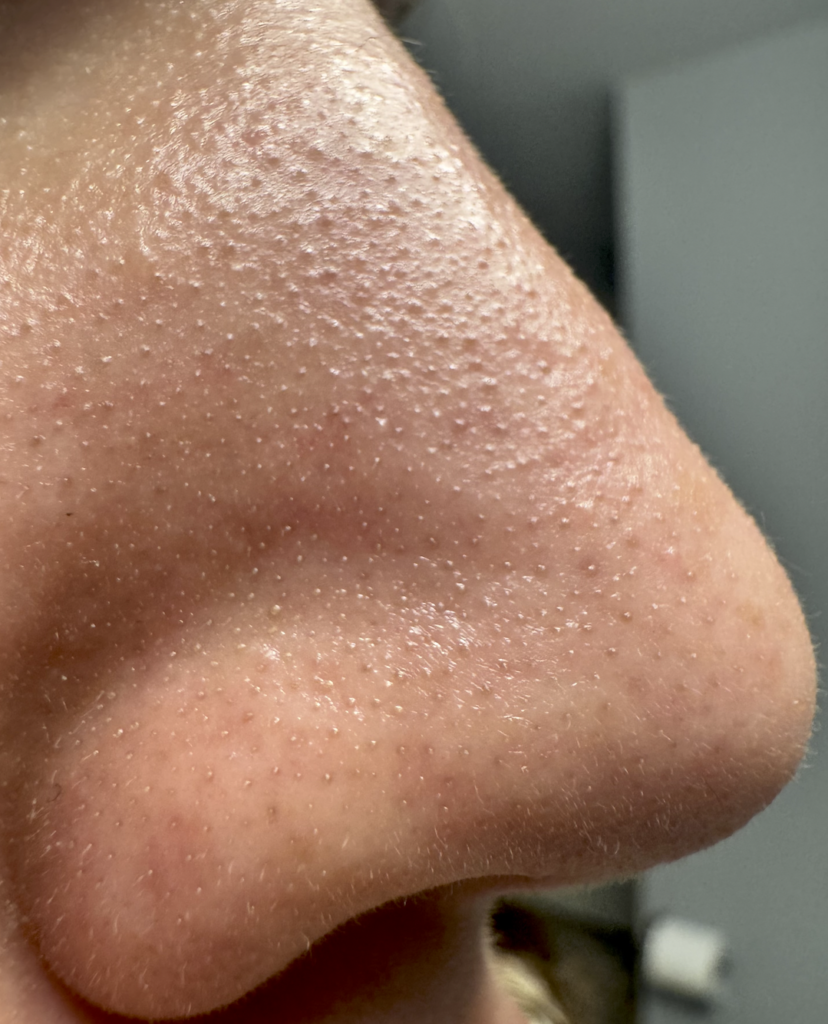
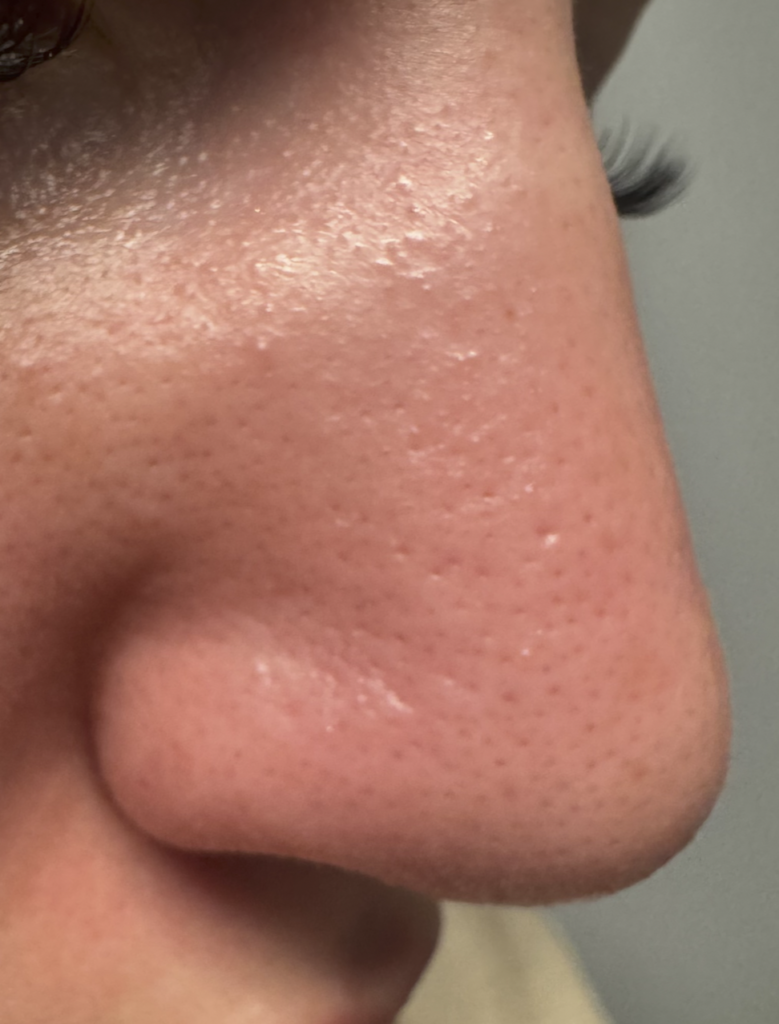
Summer changes everything for acne-prone skin. The humidity, the heat, the sweat: your go-to routine from February suddenly stops working in July. Your skin feels greasier, more reactive, and somehow more dehydrated at the same time. If your summer skincare routine for acne prone skin has ever felt like it was working against you instead of for you, you are not alone and you are not doing anything wrong. Your skin just needs a seasonal reset.
These 5 steps are your summer skincare routine for acne prone skin, built specifically to keep you glowy, clear, and comfortable when the temperature rises. No heavy products, no stripping your skin, no sacrificing hydration for the sake of oil control. Just a routine that actually makes sense for what summer does to acne-prone skin.
GWB Skin Quiz
Not sure what skin type you have?
Take the free quiz before building your summer skincare routine.
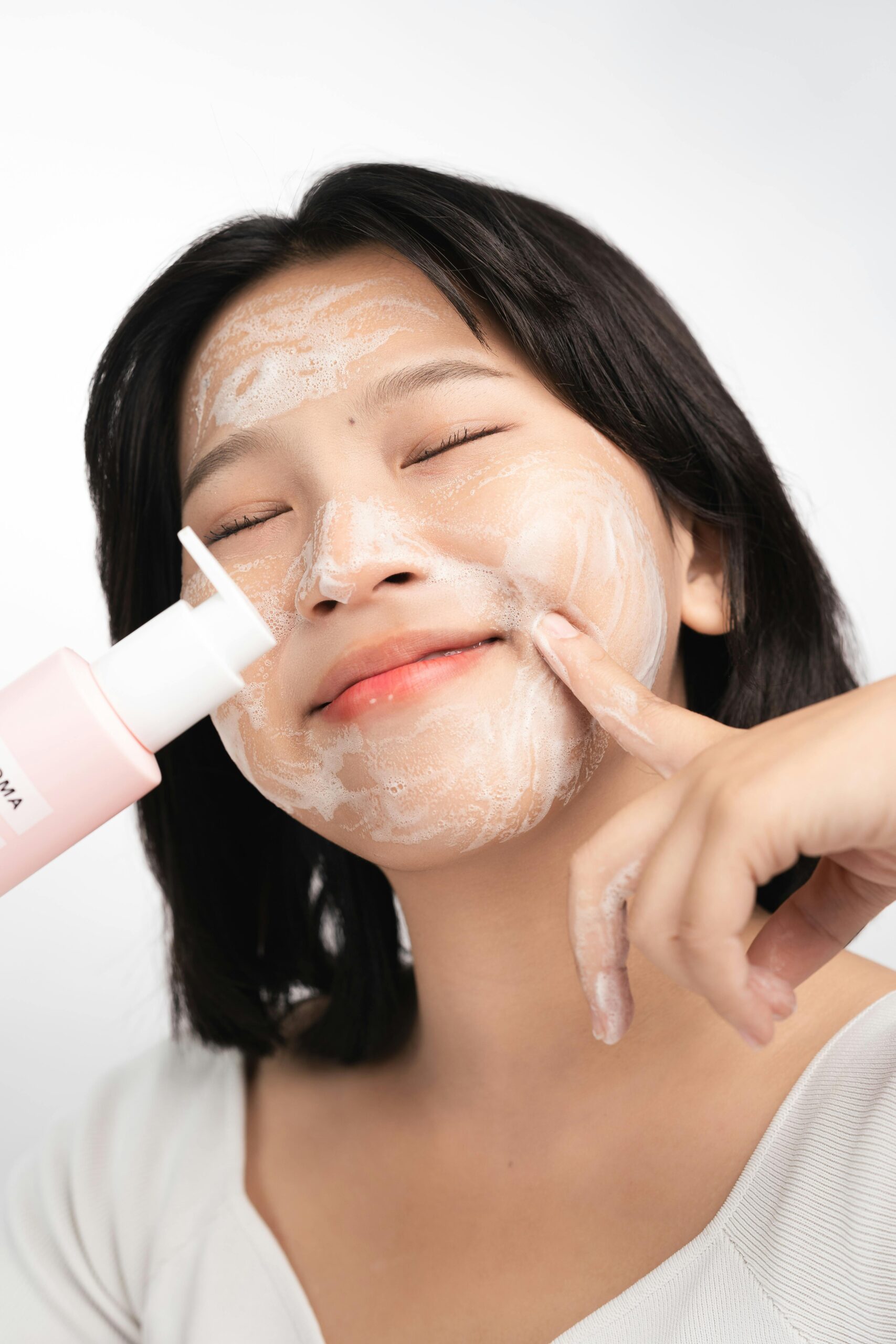
Step 1: Start With a Gentle Cleanser (With a Boost Option for Active Breakouts)
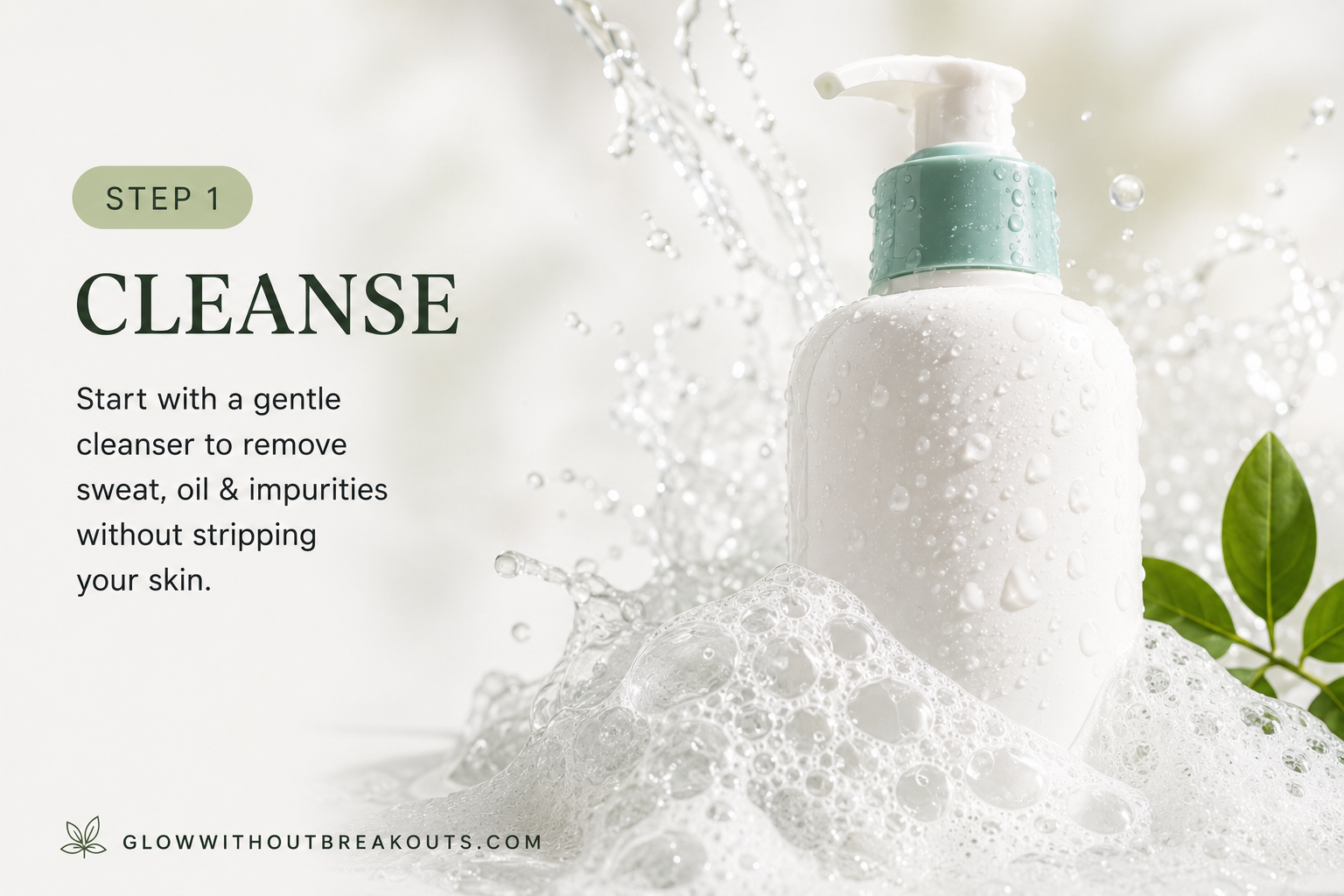
Summer heat strips your skin differently than winter cold does. You might think your skin needs a stronger cleanser because it feels oilier, but the opposite is usually true. Heat and humidity make your skin more reactive, which means a harsh cleanser in July can trigger more breakouts than it prevents. Your summer skincare routine for acne prone skin starts with the gentlest cleanser that still actually cleans, and if you have active breakouts, there is a simple boost option to add without overwhelming your skin.
For most skin types, the Cetaphil Daily Facial Cleanser | Cetaphil Official Site is the move in summer. It removes sweat, sunscreen, and excess oil without stripping a single drop of moisture from your barrier. If you have sensitive acne-prone skin and want something even gentler, the Beplain Mung Bean Cleanser | Beplain Official Site is a summer favorite for reactive skin. The powder-to-cream formula is incredibly soothing and leaves skin clean without any tightness. For oily or combination acne-prone skin, the CeraVe Foaming Facial Cleanser | CeraVe Official Site gives you that deeper clean while keeping ceramides and niacinamide in the formula to protect your barrier.
If you want a cleanser that actively treats acne while cleansing, the Paula’s Choice RESIST Perfectly Balanced Foaming Cleanser | Paula’s Choice Official Site is the best option. It has 2% salicylic acid but is formulated gently enough that it does not strip or over-dry, which is exactly what you need in a summer skincare routine for acne prone skin.
The Boost Option: If you are dealing with active breakouts, swap in the Cetaphil Gentle Clear Clarifying Acne Cream Cleanser | Cetaphil Official Site two to three times a week. It has 2% salicylic acid with aloe and white tea to target breakouts without the harshness of a full BPO wash in the summer heat. Use your gentle cleanser on the other nights to give your skin a break.
💡 Pro Tip: In summer, cleanse twice a day without fail: once in the morning to remove overnight sweat and once at night to remove SPF, oil, and everything your skin picked up during the day. Skipping your morning cleanse is one of the fastest ways to clog pores in humid weather.
Related reading
Best Cleansers for Acne-Prone Skin: Tested & Ranked
Step 2: Skip the Toner — Use a Hydrating Essence Instead
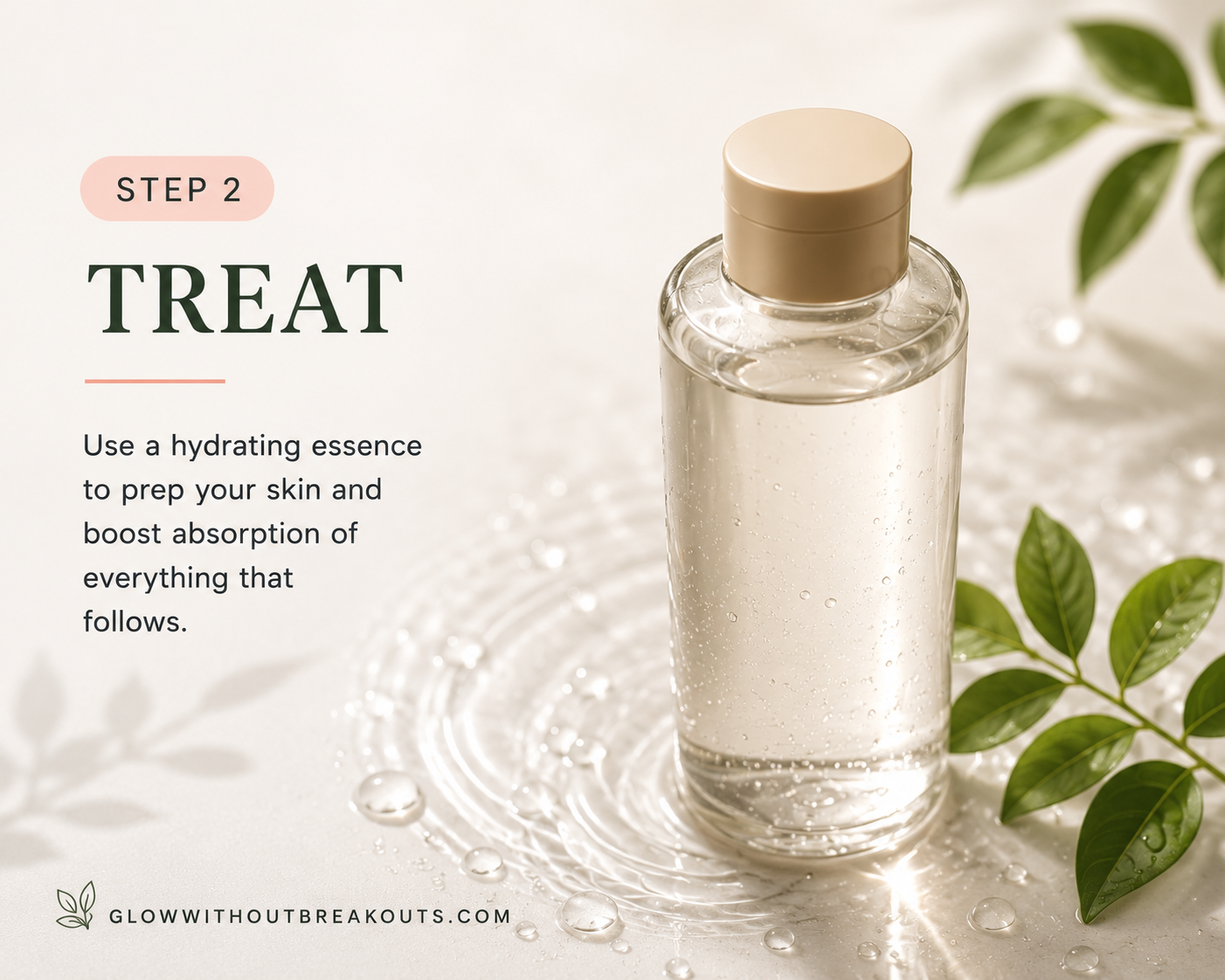
Most toners, even the ones marketed for acne-prone skin, are too stripping for summer. Alcohol-based toners evaporate fast, which feels refreshing in the moment but strips your moisture barrier right when it is already being challenged by heat and sweat. Astringent toners can also trigger rebound oiliness, which is the last thing you want in your summer skincare routine for acne prone skin. An essence does the complete opposite: it floods skin with lightweight hydration before anything else, priming your barrier to absorb everything you put on top of it.
The The Ordinary Multi-Active Delivery Essence for Hydration | The Ordinary Official Site is the one I personally use and it has completely changed my summer skincare routine for acne prone skin. It layers under everything and your skin absorbs it immediately. There is no heaviness, no residue, just an instant plumpness that makes everything else in your routine work better. In summer especially it is the step that gives you that glow without any greasiness.
💬 My Review: I was skeptical about essences for a long time because I thought they were just fancy toners. The Ordinary Multi-Active Delivery Essence completely changed my mind. I press a few drops into clean damp skin and it absorbs instantly. My skin looks visibly more hydrated within minutes and everything I layer on top just sits better. It has become the non-negotiable step in my summer skincare routine for acne prone skin.
Apply on clean damp skin right after cleansing. Press it in gently with clean hands rather than wiping — this helps it absorb faster and means you are not dragging anything across skin that might be a little sensitive from summer heat.
💡 Pro Tip: Apply your essence on damp skin for maximum absorption. Pat it in with clean hands rather than a cotton pad — you lose less product and it absorbs more evenly. Wait 30 seconds before moving to your next step.
Step 3: Hyaluronic Acid Serum for Lightweight Glow
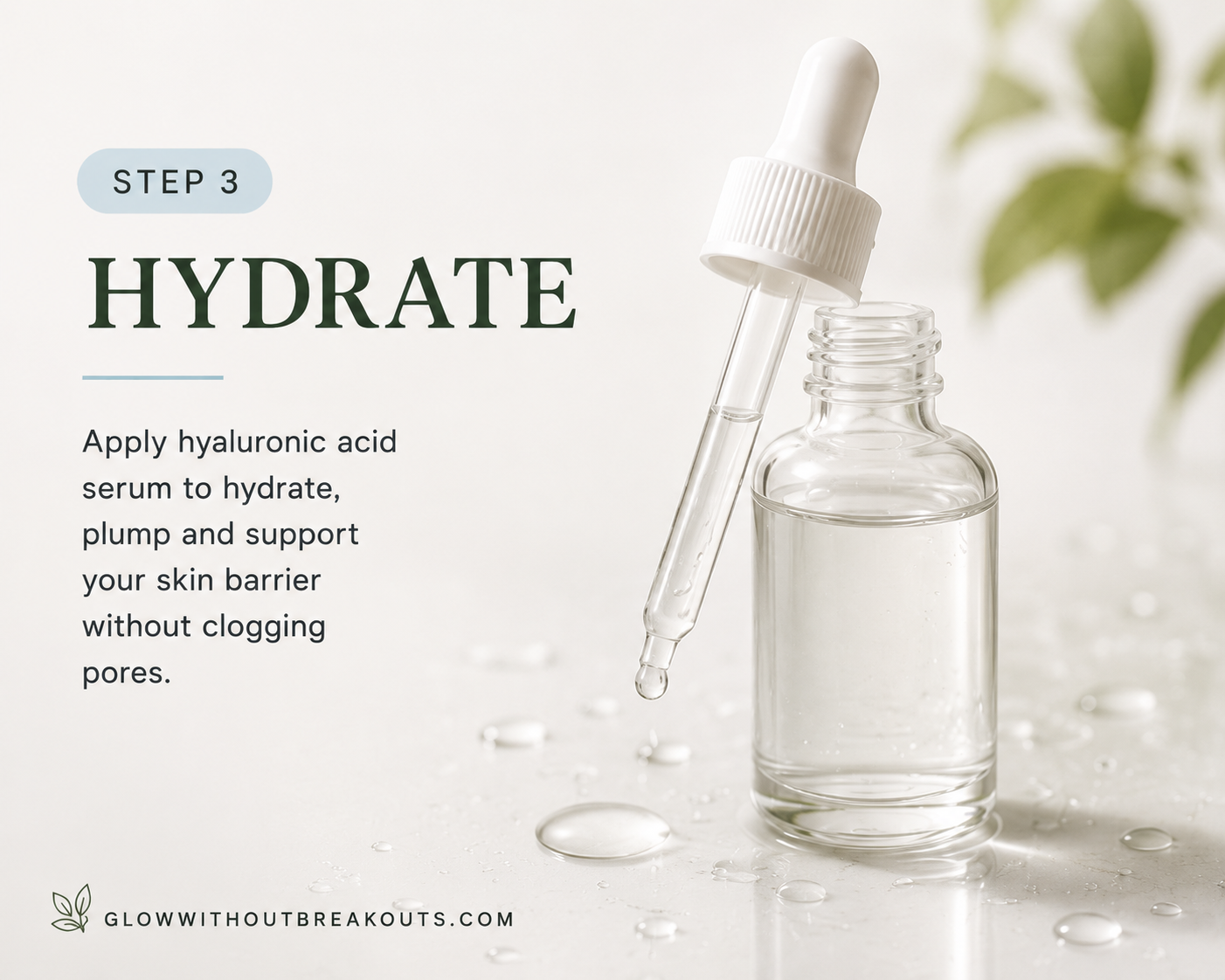
Hyaluronic acid is the one serum that works for every acne-prone skin type in summer. It pulls moisture into the skin without adding any oil, which means you get that plump glowy look without the greasiness. If you have been skipping serum in summer because everything felt too heavy, hyaluronic acid is the answer. It is water-based, weightless, and completely non-comedogenic, which makes it a perfect fit for a summer skincare routine for acne prone skin.
The The Ordinary Hyaluronic Acid 2% + B5 | The Ordinary Official Site is one of the most affordable options that genuinely delivers. The 2% HA pulls hydration from the air into your skin and the added B5 helps repair any barrier damage from summer sun and sweat. Apply a few drops on top of your essence and press it in before it fully dries.
If you want something with a slightly richer feel, the The Inkey List Hyaluronic Acid Serum | The Inkey List Official Site is another solid pick at a similar price point. Both are lightweight enough for humid summer days and both work beautifully for acne-prone skin that needs hydration without congestion.
💡 Pro Tip: Apply hyaluronic acid on slightly damp skin — it needs some water present to pull moisture into your skin. If you apply it on completely dry skin it can actually pull moisture out instead. A light spritz of your hydrating mist on the skin first makes a real difference.
Related reading
5 Critical Mistakes That Shattered Your Skin Barrier
Step 4: Moisturizer and SPF — How to Choose in Summer
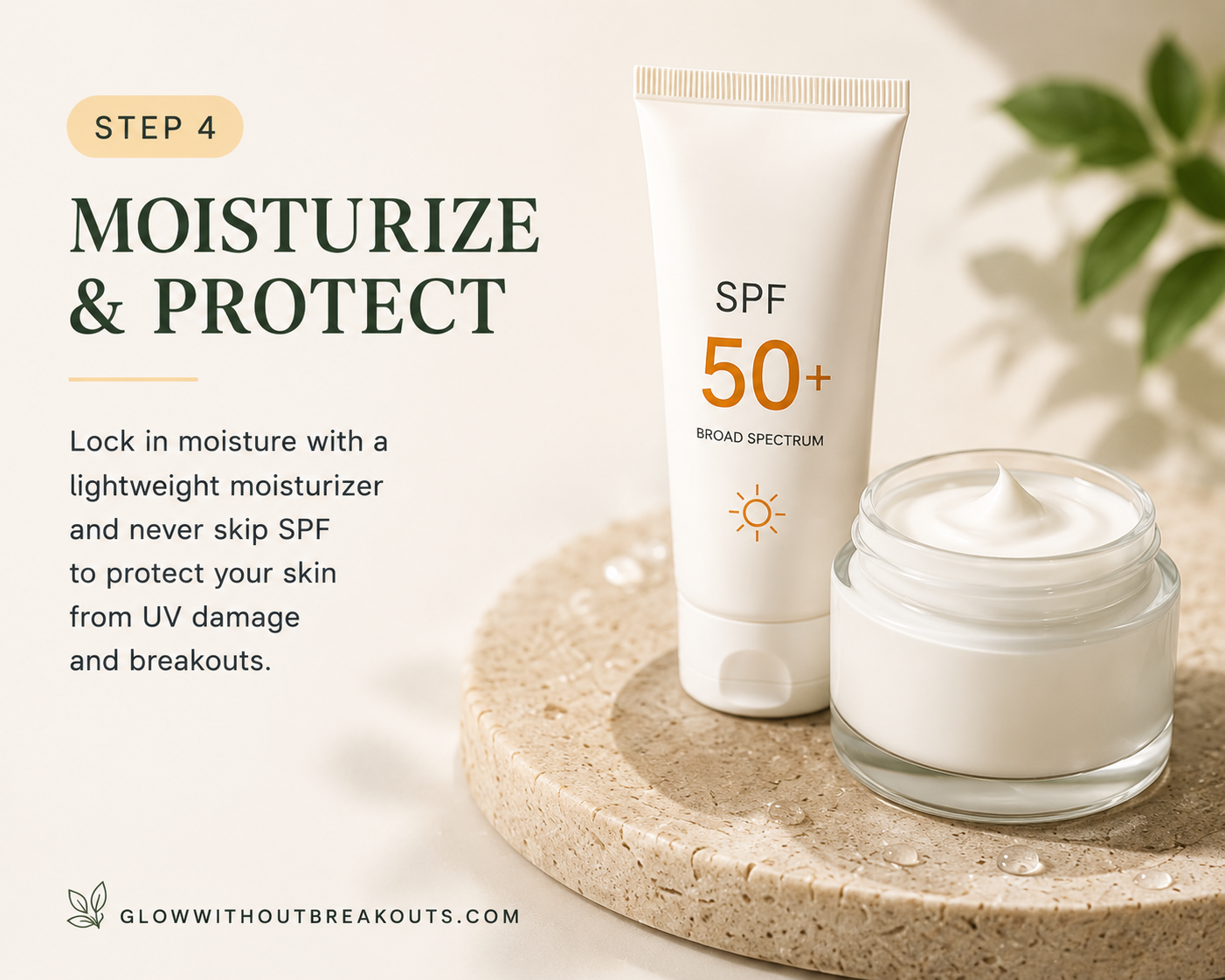
SPF is non-negotiable in your summer skincare routine for acne prone skin. Sun exposure makes post-acne dark marks significantly darker, slows down skin healing, and breaks down the actives you are using to clear your skin. Skipping SPF in summer is one of the most counterproductive things you can do for acne-prone skin: you are undoing all the work your other products are doing. The question is not whether to wear SPF, it is whether to use a 2-in-1 SPF moisturizer or keep them separate.
Option A, The 2-in-1: The CeraVe AM Facial Moisturizing Lotion SPF 50 | CeraVe Official Site is the easiest summer option. One step covers both hydration and sun protection. It has a dewy finish that looks beautiful for glowy summer skin and it is non-comedogenic and ceramide-rich for barrier support. For oily skin that wants shine control, the Cetaphil DermaControl Oil Absorbing Moisturizer SPF 30 | Cetaphil Official Site gives you SPF 30 with a matte finish that controls shine all day.
Option B, Separate Products: If you want stronger SPF protection, pair a lightweight moisturizer like the CeraVe PM Facial Moisturizing Lotion or CeraVe Daily Moisturizing Lotion with a dedicated acne-safe SPF on top. The best options I have personally tested are the La Roche-Posay Anthelios Matte Fluid SPF 60 — my personal favorite for a truly matte finish that lasts all day — and the Hero Cosmetics Force Shield SPF 50 for a more affordable option specifically designed for acne-prone skin. If you prefer mineral sunscreen, the EltaMD UV Clear SPF 46 is the dermatologist favorite for sensitive acne-prone skin.
💡 Pro Tip: In summer, less moisturizer is more. Your skin retains moisture better in humid conditions, so a thin layer of a lightweight moisturizer is all you need. Save the richer formulas for your PM routine and let your SPF do the heavy lifting in the morning.
Related reading
Best Sunscreen for Acne-Prone Skin: Non-Comedogenic Options That Won’t Cause Breakouts
Step 5: Hydrating Mist Throughout the Day
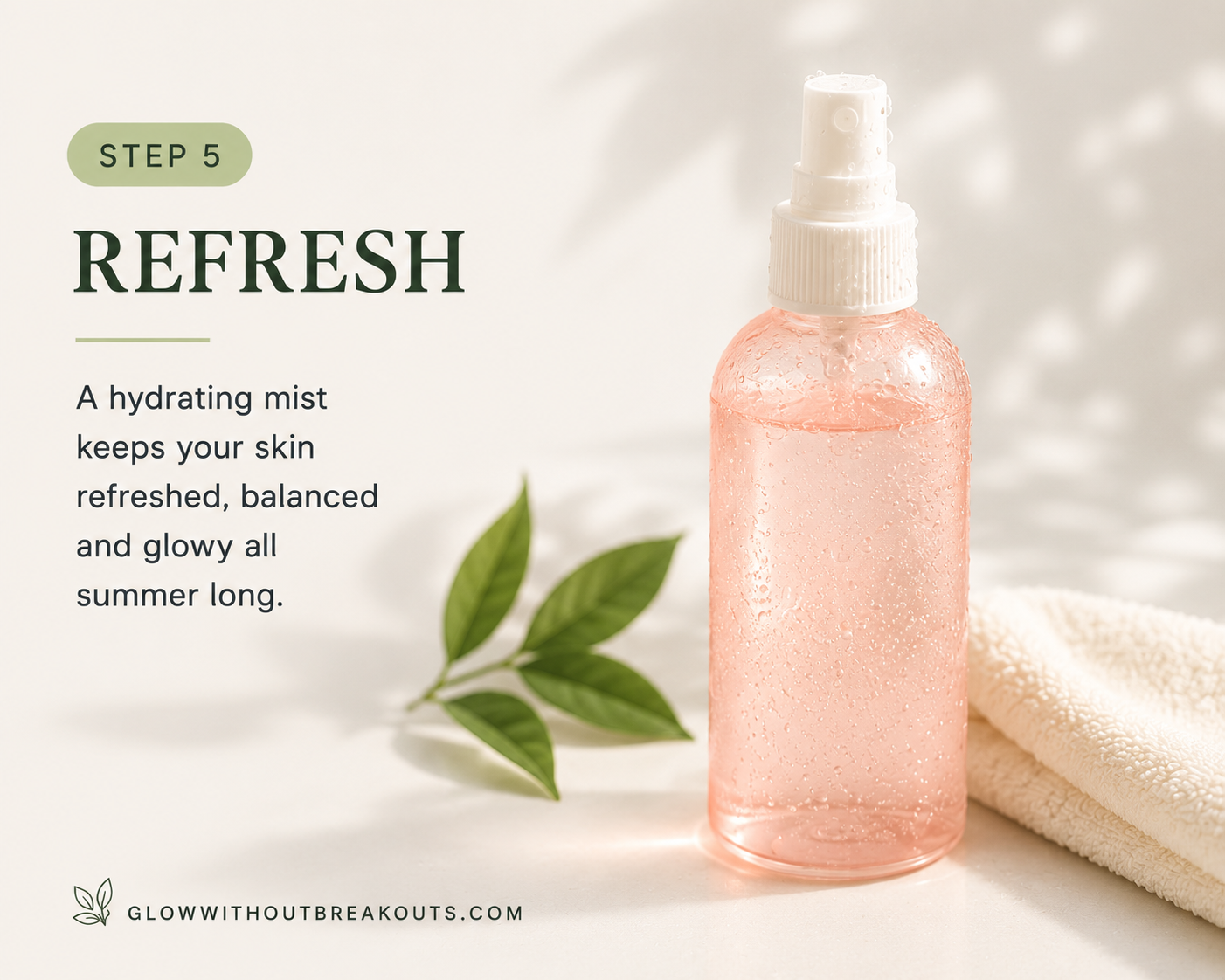
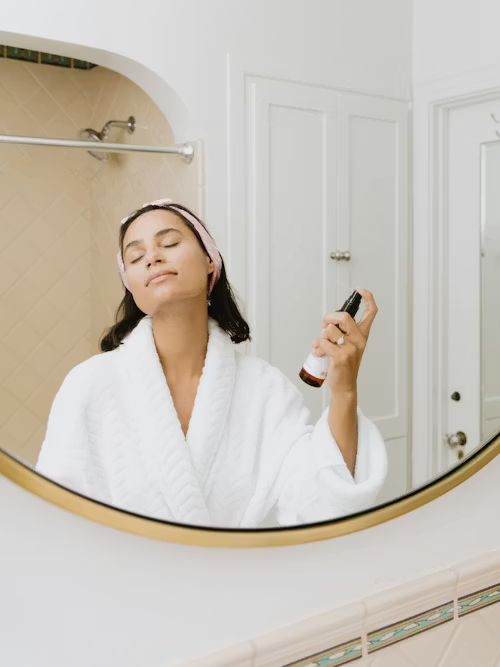
This is the step most people skip and the one that makes the biggest visible difference in summer. Your skin loses hydration throughout the day through sweat and heat exposure, which is why that fresh glowy look from your morning routine fades by noon. A hydrating mist throughout the day keeps your skin looking dewy and fresh even when summer is working against you. It is also one of the most satisfying steps in a summer skincare routine for acne prone skin: a quick spritz whenever your skin feels tight or dull and you instantly look more awake and hydrated.
The The Inkey List Hydro Surge Face Mist | The Inkey List Official Site is my personal pick and one I genuinely keep on my desk every summer. It gives the most beautiful glow mid-afternoon without any stickiness and it never breaks me out. It is lightweight, fast-absorbing, and works on top of makeup which means you can use it any time without disrupting your routine.
💬 My Review: I keep The Inkey List Hydro Surge Face Mist at my desk all summer. A couple of spritzes at noon and my skin goes from looking flat and tired to visibly hydrated and glowy. It never feels sticky, never breaks me out, and it layers perfectly over SPF and makeup. It has become the most-used product in my summer skincare routine for acne prone skin and I genuinely do not know how I survived summer without it.
Hold the mist about 8-10 inches from your face and spritz in a circular motion for even coverage. Let it absorb naturally rather than rubbing it in. Use it as many times throughout the day as your skin needs — it will not clog pores or cause breakouts.
💡 Pro Tip: Keep your hydrating mist in the fridge for an even more refreshing feel on hot days. Cold mist on warm skin feels incredible in summer and the cooling effect also helps calm any redness or inflammation from heat exposure.
Your Complete Summer Skincare Routine at a Glance
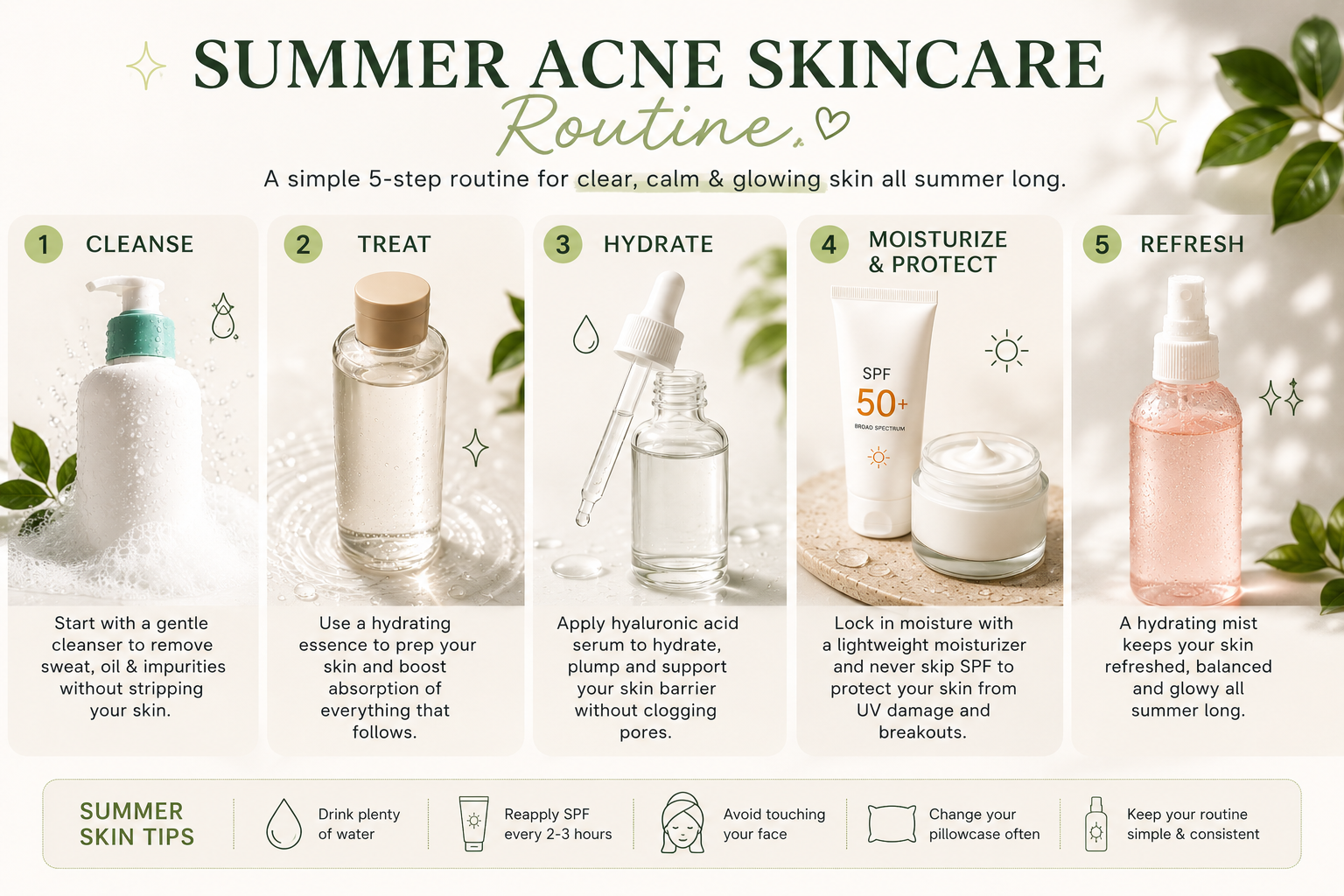
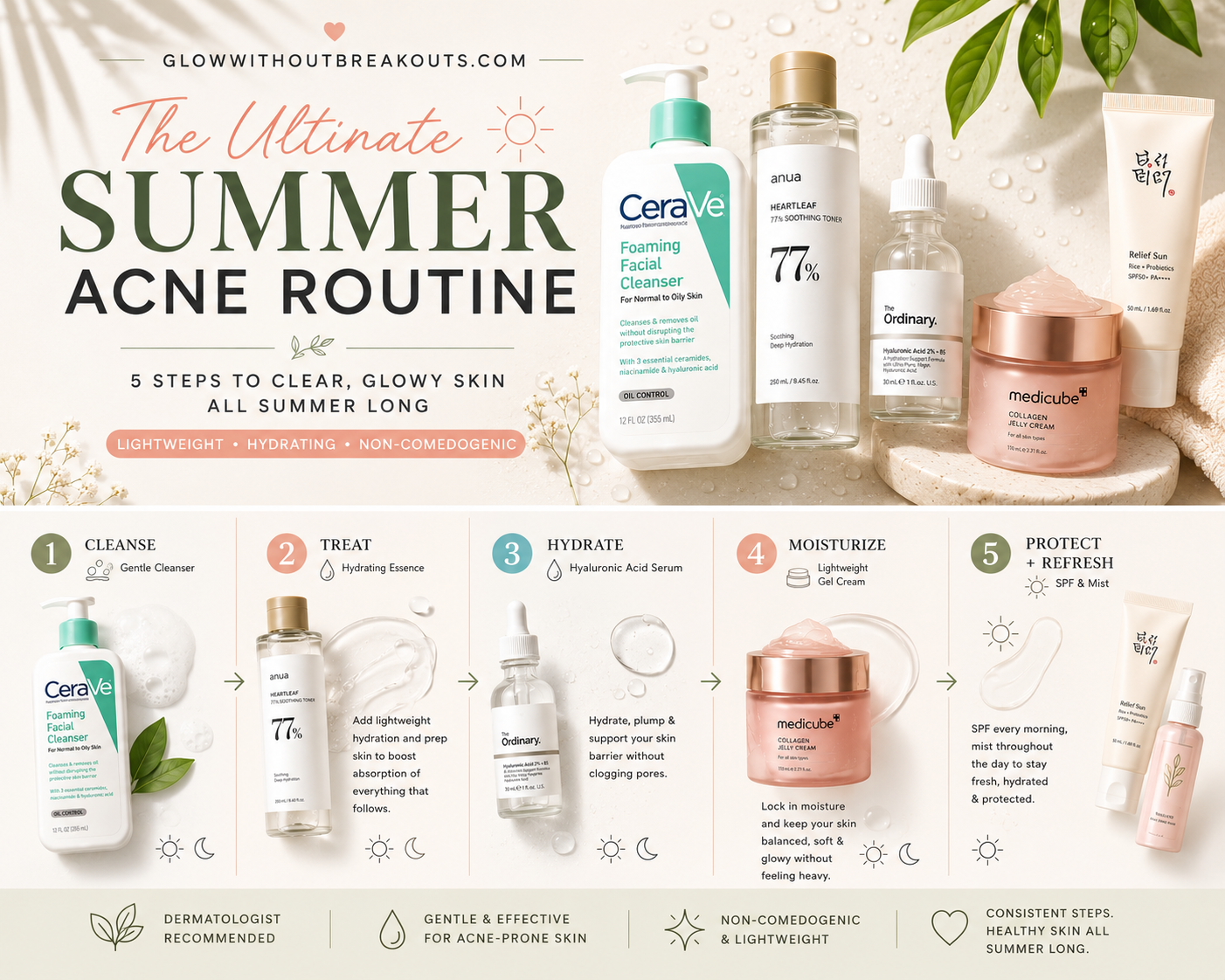
Here is your full summer skincare routine for acne prone skin in order. Morning and evening together take under 5 minutes once you get the hang of it.
☀️ AM Summer Skincare Routine
Step 1, Cleanse: Cetaphil Daily Facial Cleanser, Beplain Mung Bean Cleanser (sensitive skin), or CeraVe Foaming Facial Cleanser (oily skin)
Step 2, Essence: The Ordinary Multi-Active Delivery Essence, pressed into damp skin
Step 3, Serum: The Ordinary Hyaluronic Acid 2% + B5 or The Inkey List HA Serum
Step 4, Moisturize and SPF: CeraVe AM SPF 50 as a 2-in-1, or lightweight moisturizer with La Roche-Posay Anthelios SPF 60, Hero Cosmetics SPF 50, or EltaMD UV Clear SPF 46
Throughout the day, Mist: The Inkey List Hydro Surge Face Mist as needed
🌙 PM Summer Skincare Routine
Step 1, Cleanse: Cetaphil Daily Facial Cleanser or Cetaphil Gentle Clear Clarifying Cleanser 2-3x per week if breaking out, or Paula’s Choice RESIST if you want active BHA treatment
Step 2, Essence: The Ordinary Multi-Active Delivery Essence
Step 3, Serum: The Ordinary Hyaluronic Acid 2% + B5 or The Inkey List HA Serum
Step 4, Moisturize: CeraVe PM Facial Moisturizing Lotion or CeraVe Daily Moisturizing Lotion
More From GlowWithoutBreakouts
GWB Skin Quiz
Still not sure which summer skincare routine is right for your skin type?
Take the free 9-question quiz and get matched to your routine.
→ Stop Guessing: 3 Routines Based on Your Acne Skin Type
→ 7 Brutal Rounds: CeraVe vs Cetaphil — Advice From the Lab Rat
→ Best Sunscreen for Acne-Prone Skin
→ Best Cleansers for Acne-Prone Skin: Tested & Ranked
→ 5 Critical Mistakes That Shattered Your Skin Barrier
→ Over-Exfoliation Recovery: How to Fix Damaged Skin
→ 7+ Powerful Habits That Actually Prevent Breakouts
→ 3 Powerful Ways to Make a Pimple Go Away Fast
→ Does Stress Really Cause Acne?
→ Best Pillowcase for Acne-Prone Skin
→ The Worst Skincare Mistake I Made
Disclaimer: This post contains affiliate links. If you purchase through these links, I may earn a small commission at no extra cost to you. All opinions are 100% my own and based on personal experience and honest research. This is not medical advice, please consult a dermatologist for persistent acne concerns.